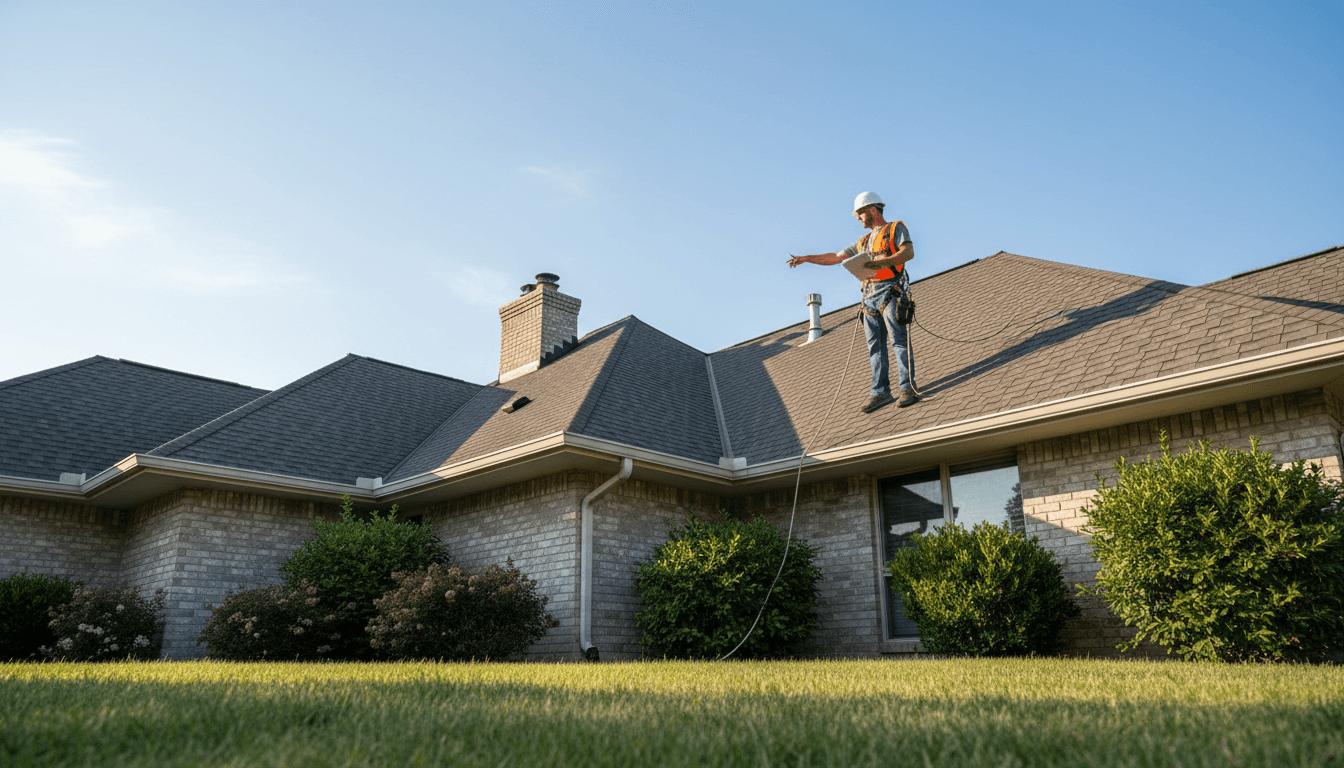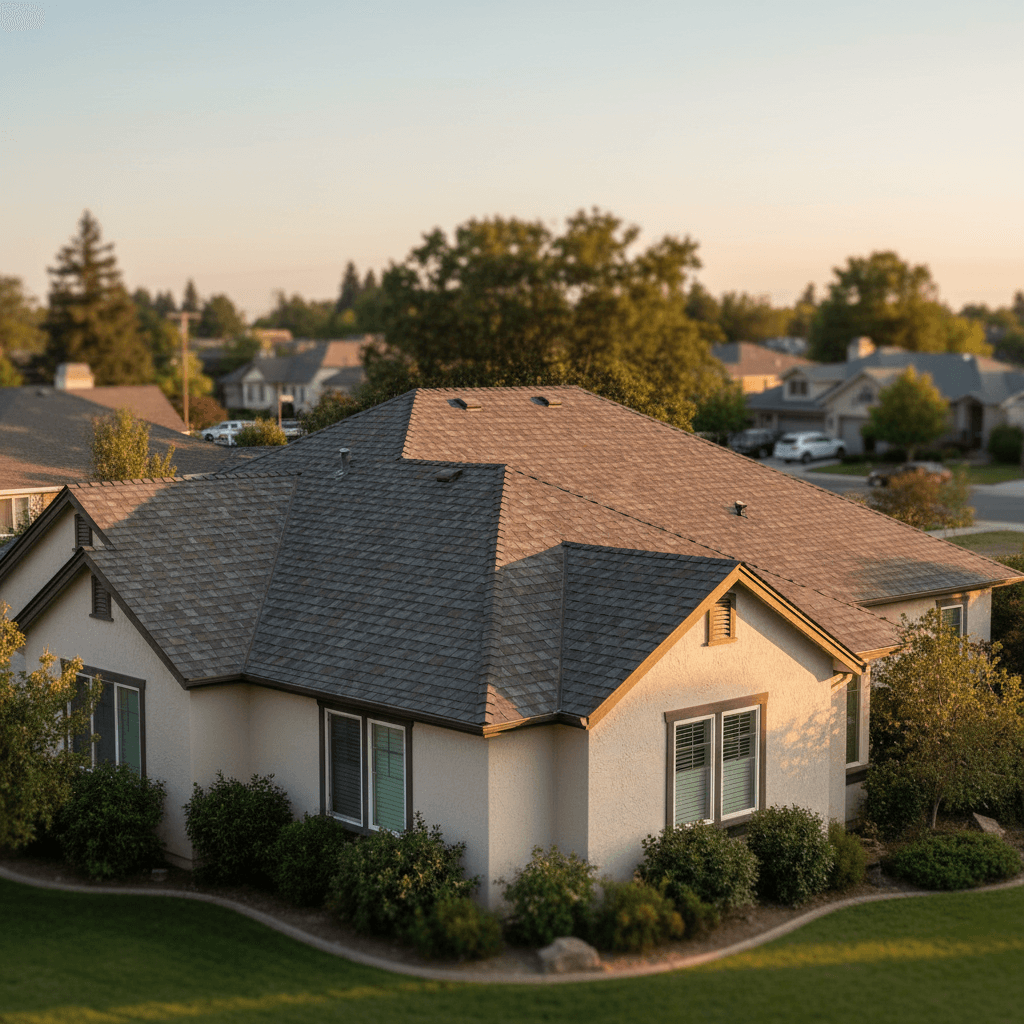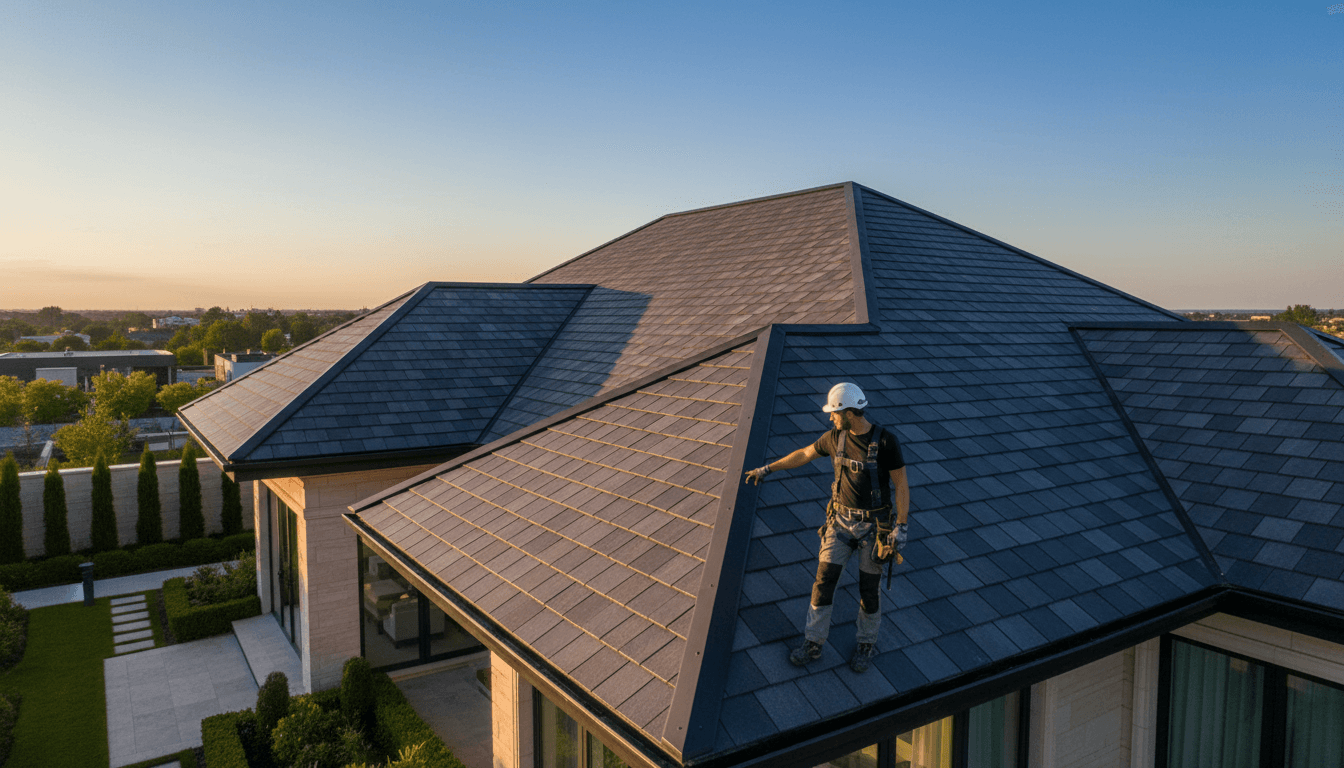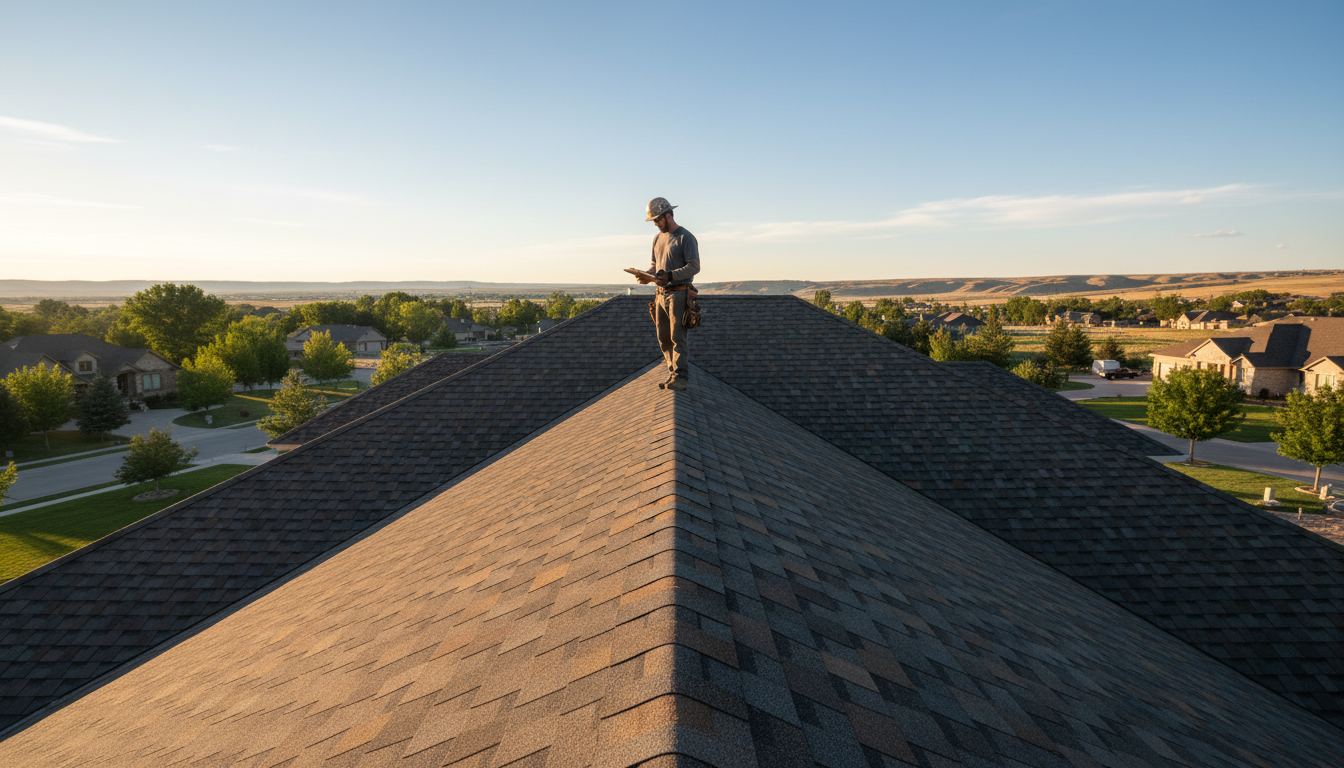
Metal roofs offer superior durability and fire resistance compared to traditional asphalt shingles; however, they require a significantly higher initial investment. When comparing a metal roof vs shingles in 2026, metal stands out as the more sustainable and long-lasting choice for Utah homeowners, while shingles remain the most cost-effective solution for shorter-term budgets.
Choosing a roof in Utah is more than a simple home improvement project; it is a critical defense against the relentless high-altitude UV rays and heavy snow loads that define our local climate. For many homeowners in Fillmore, the choice between traditional asphalt shingles and modern metal panels often leads to a cycle of indecision regarding upfront costs versus long-term resilience. At Gobes Roofing, we understand that you need a solution that balances immediate budget constraints with the necessity of a lifetime investment. This guide breaks down the 2026 landscape of roofing materials, comparing the financial reality of Utah pricing with the practical performance required for our extreme weather. You will learn about the nuances of snow and wind resistance, the impact of sustainability trends on your resale value, and the specific drawbacks that might influence your final selection for your property.
Comparing the Top Two Roofing Choices for Fillmore Homes
In Fillmore and across Millard County, a roof is the primary defense against a punishing high-desert climate. Homeowners in our area face a specific set of challenges, ranging from heavy winter snow loads that put immense pressure on structural supports to intense summer UV exposure that can bake and brittle standard materials. When it comes to providing reliable protection, the choice typically narrows down to two main contenders: traditional asphalt shingles and modern metal roofing.
Asphalt shingles remain the regional standard due to their familiar aesthetics and lower initial price point. However, metal roofing is rapidly gaining ground in Utah as more residents look for materials that can withstand several decades of weather extremes without failing. As we look ahead to 2026 roofing trends, the focus is shifting toward sustainability and long-term resilience. This guide explores the metal roof vs shingles comparison to help you make a future-proof decision for your property. Understanding these differences is essential for securing your investment and avoiding premature repairs. By utilizing professional roofing services tailored to the Millard County environment, you ensure that your choice is backed by proper installation techniques designed for our local weather patterns.
Upfront Investment vs Lifetime Value: The Utah Price Reality
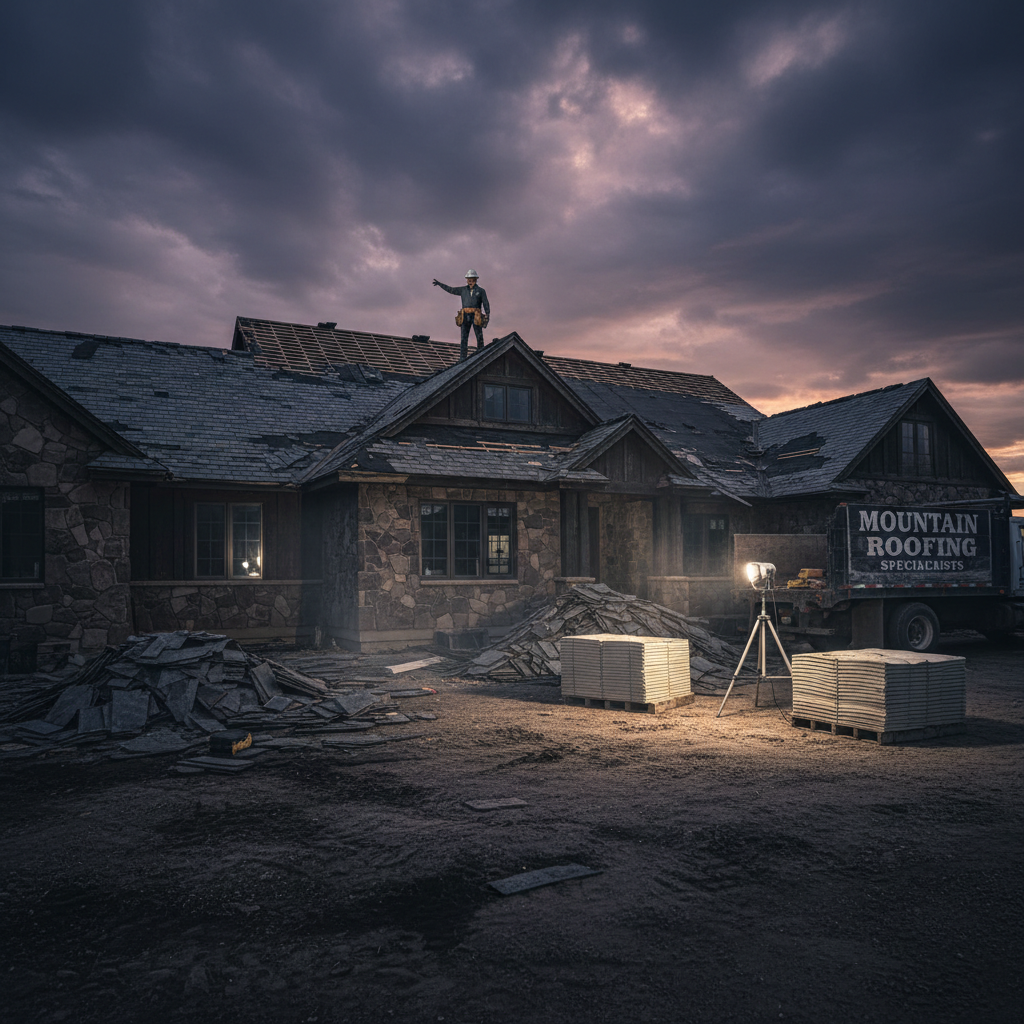
When analyzing the financial commitment of a new roof, it is vital to distinguish between the sticker price and the total cost of ownership. In Fillmore and surrounding Millard County, the initial investment for a standard asphalt shingle roof typically ranges from $10,000 to $18,000. Conversely, a high quality metal system often starts at $20,000 and can exceed $40,000 depending on the profile and complexity of the structure.
Several factors drive the higher cost of metal. Beyond the base price of the steel or aluminum, these systems require specialized labor and significantly more time to install. Unlike shingles, which are relatively uniform to apply, metal panels require precise flashing, custom bending, and specific fastening techniques to ensure they remain water-tight through Utah's freeze-thaw cycles. This complexity means you are paying for both durable materials and expert craftsmanship that ensures the system functions as designed for decades.
Feature | Asphalt Shingles | Metal Roofing |
|---|---|---|
Average Utah Installation Cost | $10,000 – $18,000 | $20,000 – $40,000+ |
Estimated Lifespan | 20 – 30 Years | 40 – 70 Years |
Replacements Needed (50 Years) | 2 | 1 |
To determine if a metal roof is worth the money, you must look at a 50 year horizon. A homeowner choosing shingles today will likely face a full replacement by year 25. Given the rising costs of materials and labor, that second installation in 2050 will almost certainly be more expensive than the first. When you combine the cost of two shingle roofs plus the minor repairs typically required between replacements, the total expenditure often meets or exceeds the one time cost of a metal installation. By choosing a metal roof vs shingles, you are essentially pre-paying for your next roof at today’s prices while securing superior protection. Homeowners looking to maximize their property’s long term efficiency should also review A Homeowner Guide to Energy Efficient Roofing to see how these materials impact monthly utility bills. If you are weighing these financial trade-offs for your specific property, contact Gobes Roofing for a detailed, localized estimate.
Performance in the Utah Climate: Snow, Wind, and UV Resistance
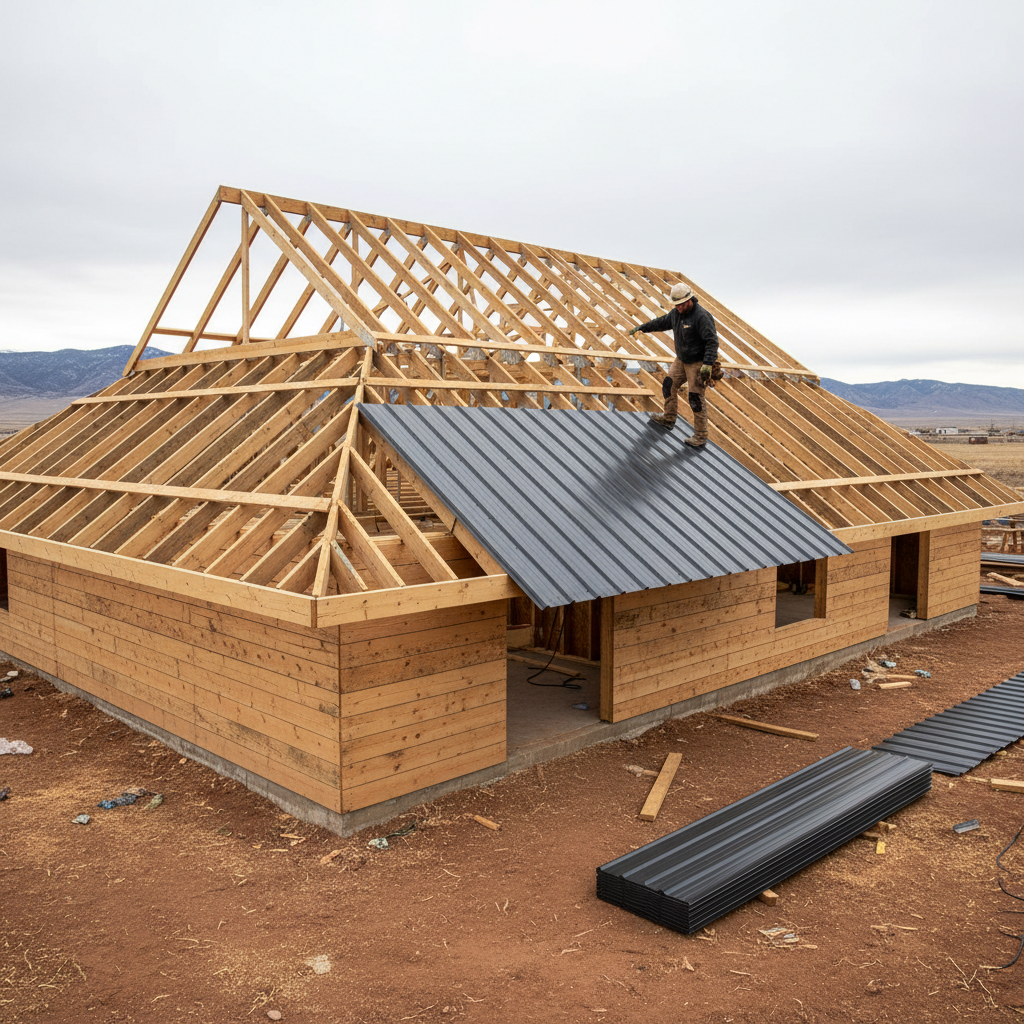
Beyond the financial considerations, the true test of any material in Millard County is how it performs during a February blizzard or a scorching July afternoon. The durability gap in the metal roof vs shingles debate is most apparent when examining how these materials interact with Utah’s unique environmental stressors.
Heavy snow loads are a primary concern for Fillmore properties. Traditional asphalt shingles have a textured surface that naturally grips snow, allowing it to accumulate. While this prevents sudden snow slides, it also increases the weight on your rafters and contributes to ice damming. As heat escapes from the home, the bottom layer of snow melts and refreezes at the eaves, potentially forcing water under the shingles. Metal roofing, particularly systems with a smooth finish, allows snow to slide off the roof in a controlled manner before it reaches a dangerous weight or has time to form dams.
Wind resistance is another critical metric for high-desert homes. Most high-quality architectural shingles are rated for winds up to 130 mph, which is sufficient for most storms. However, standing seam metal systems often exceed these ratings because they are mechanically fastened with concealed clips that allow the panels to stay secure even in extreme gusts.
Utah’s intense UV exposure and rapid freeze-thaw cycles also take a toll on roofing chemistry. Asphalt is an oil-based product; over time, the sun’s rays bake out the essential oils, causing the shingles to become brittle and lose their protective granules. This leads to cracking during the winter when the material cannot flex with temperature swings. Metal, by contrast, is engineered to expand and contract without losing structural integrity or shedding material. This resilience is why a metal system typically offers a 40 to 70 year lifespan, whereas even well-maintained shingles in our climate generally require replacement every 20 to 30 years. For those interested in how these climate-resistant properties translate into lower utility bills, A Homeowner Guide to Energy Efficient Roofing provides further technical insights.
2026 Roofing Trends: Sustainability and Personalization
Current shifts in the market show that Fillmore homeowners are looking beyond basic functionality toward materials that offer long term environmental benefits. As we approach 2026, the metal roof vs shingles debate is increasingly influenced by sustainability. Conventional shingles contribute millions of tons to landfills annually; however, metal systems are often manufactured from significant amounts of recycled steel and are entirely recyclable once they reach the end of their service life. This circular lifecycle appeals to those trying to reduce their property's environmental footprint while securing a durable structure.
Personalization is another major trend defining the upcoming year. The era of the industrial look for residential metal is over. Modern manufacturing allows for a variety of profiles, including stone coated steel and metal shingles that accurately mimic the texture of hand split wood shakes or natural slate. This allows you to maintain the architectural integrity of a traditional home while benefiting from the strength of steel. These systems provide the aesthetic depth of premium materials without the maintenance requirements or the susceptibility to rot.
Energy performance remains a top priority, particularly during the peak heat of July and August in Utah. Metal surfaces are designed with cool roof pigments that reflect solar radiation rather than absorbing it into the attic space. This thermal management is a cornerstone of A Homeowner Guide to Energy Efficient Roofing, as it directly reduces the load on air conditioning systems. By selecting a reflective metal profile, you can keep your interior cooler and lower your monthly utility costs during the height of the summer. For more information on these modern styles, you can view our professional roofing services to see current installation options.
Insurance and Resale Value: What Utah Homeowners Need to Know
Homeowners often worry if upgrading to a premium material will complicate their financial standing. One common concern is whether a metal roof will raise insurance premiums or even devalue a house. In reality, the metal roof vs shingles comparison favors metal significantly regarding long term property worth. Because these systems are designed to last over fifty years, they typically increase the resale value of a home. Appraisers and buyers in Millard County recognize that a high quality installation from professional roofing services eliminates the immediate need for a costly replacement, making the property a much safer investment.
Regarding insurance, many Utah providers view metal as a risk reducer rather than a liability. Most standing seam and stone coated metal systems carry a Class 4 impact resistance rating, which is the highest possible standard for hail protection. They are also non-combustible, providing critical fire resistance in our high desert environment. Consequently, some insurance carriers offer premium discounts ranging from 5 to 30 percent. You should contact Gobes Roofing to ensure your specific materials meet these criteria, then consult with your local agent to verify potential savings. While the upfront cost is higher, as outlined in A Homeowner Guide to Energy Efficient Roofing, these secondary financial benefits significantly shorten the time it takes for the roof to pay for itself.
The Disadvantages: Why You Might Not Choose a Metal Roof
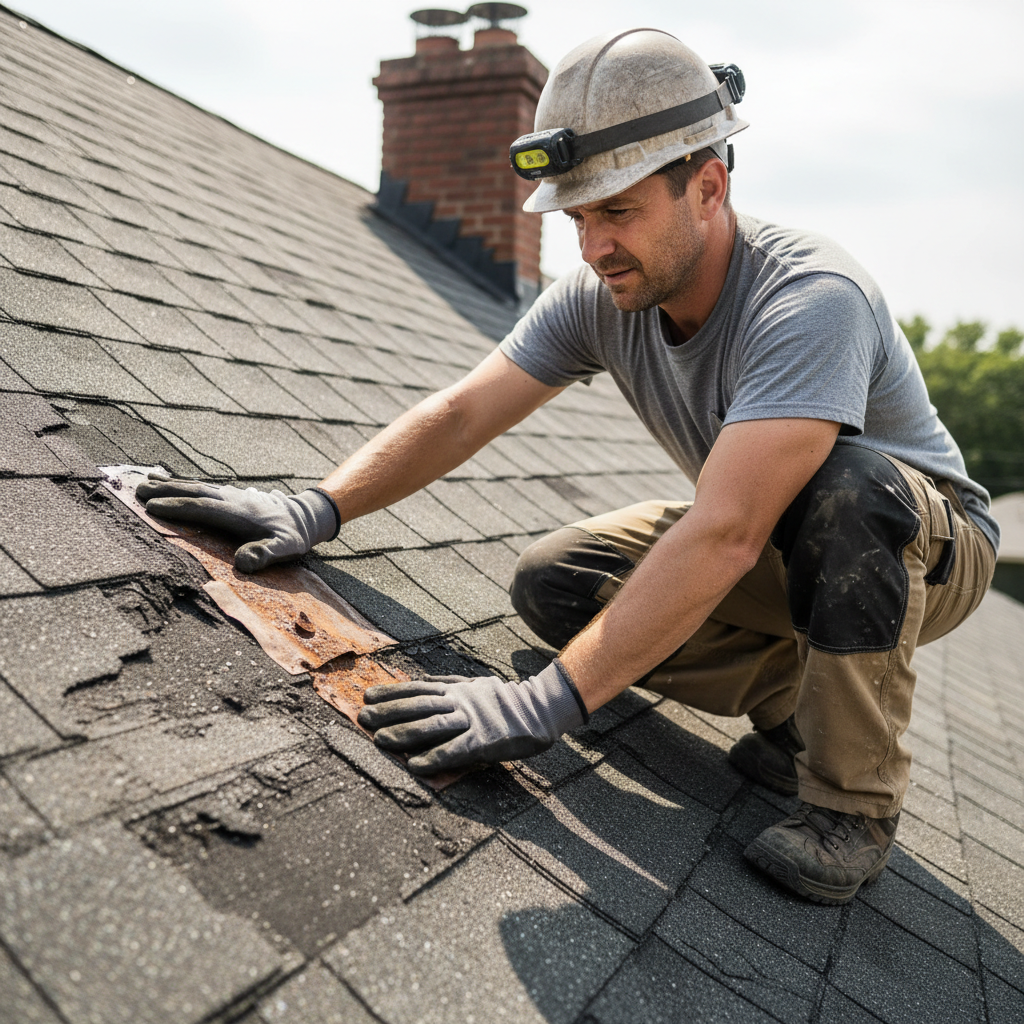
The biggest problem with metal roofs often comes down to auditory feedback and future flexibility. During intense Millard County summer thunderstorms, the drumming of rain or hail on metal panels is more pronounced than on asphalt. While Gobes Roofing utilizes thick decking and attic insulation to dampen this sound, it rarely matches the natural quietness of a shingle roof. Cosmetic denting from extreme hail is another factor to consider; even though the roof remains watertight, visible dings can affect curb appeal.
Future modifications also present a challenge. If you decide to add a skylight, a chimney, or new ventilation after the initial installation, the process is far more complex than with shingles. Metal panels are often interconnected, meaning specialized tools and expertise from professional roofing services are required to ensure the integrity of the weatherproofing remains intact. Cutting into a standing seam system without the proper transition flashing can lead to persistent leaks.
For a budget-conscious family or a homeowner who prefers to handle minor maintenance themselves, asphalt shingles offer a distinct advantage. They are much easier to patch or replace in small sections. When weighing a metal roof vs shingles, you must decide if the permanence of metal outweighs the convenience and lower repair complexity of traditional materials. If you have questions about which material fits your specific maintenance style, you can contact Gobes Roofing for a consultation.
The Verdict: Which Material Wins for Your Fillmore Property?
Choosing between a metal roof vs shingles depends primarily on your intended timeline for the property. If you plan to sell your Fillmore home within the next ten years, or if your current priority is minimizing upfront capital expenditure, asphalt shingles remain the most logical choice. They provide a reliable barrier against the elements and meet all local safety standards at a more accessible price point.
Conversely, metal is the superior choice for a "forever home." The higher initial investment translates into decades of reduced maintenance, superior snow management, and enhanced property value. For homeowners focused on long term protection and sustainability, metal is the definitive winner. As detailed in A Homeowner Guide to Energy Efficient Roofing, these systems also offer significant advantages in thermal regulation during Utah's hot summers.
Regardless of the material you select, Gobes Roofing ensures every project adheres to Millard County building codes and rigorous weather stripping standards. Our team delivers professional roofing services tailored to the specific wind and snow loads of our region. If you are ready to evaluate the specific requirements for your structure, contact Gobes Roofing for a detailed consultation.
Deciding between metal and shingles depends on your priorities for durability, aesthetics, and long term value. While shingles offer affordability, metal provides unmatched longevity for the Utah climate. If you want expert help determining which material fits your property best, we are happy to share our professional perspective. You can learn more about our experience and our commitment to high quality installations to see how we can support your upcoming roofing project.