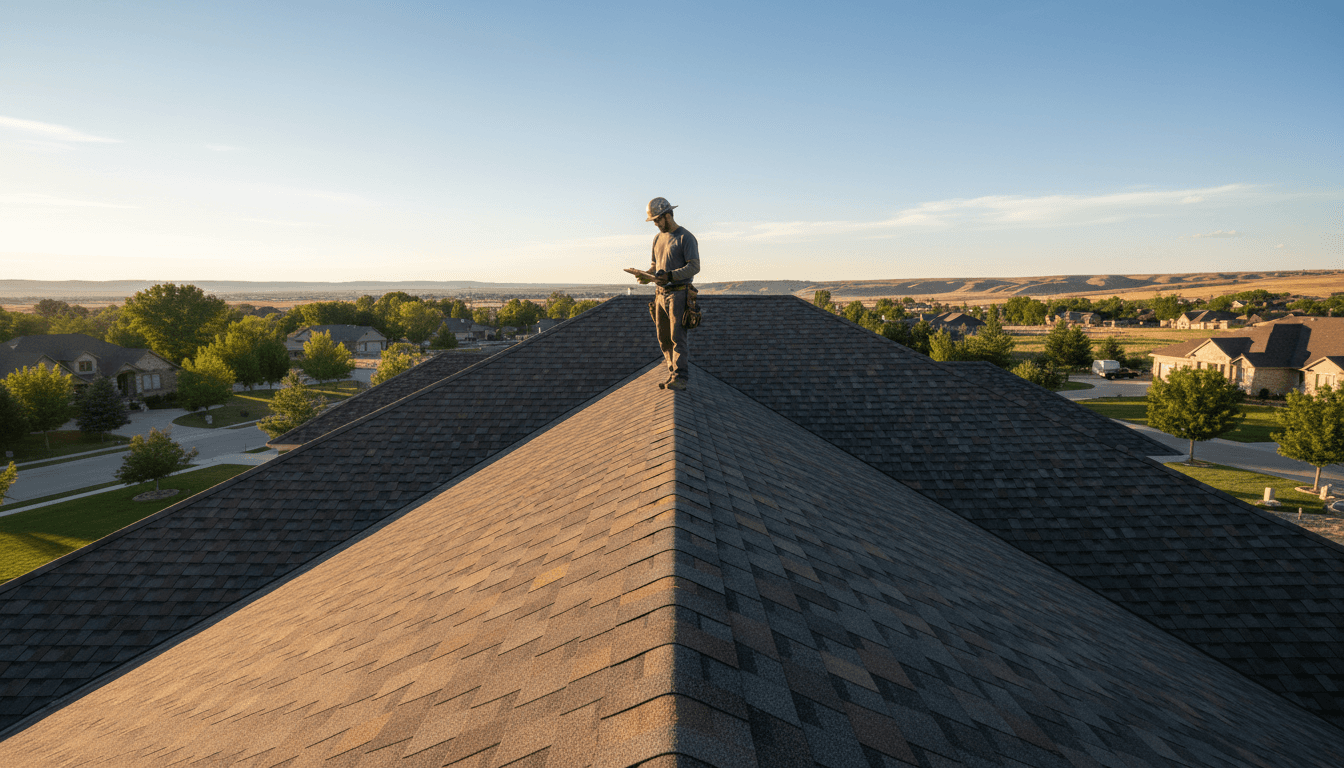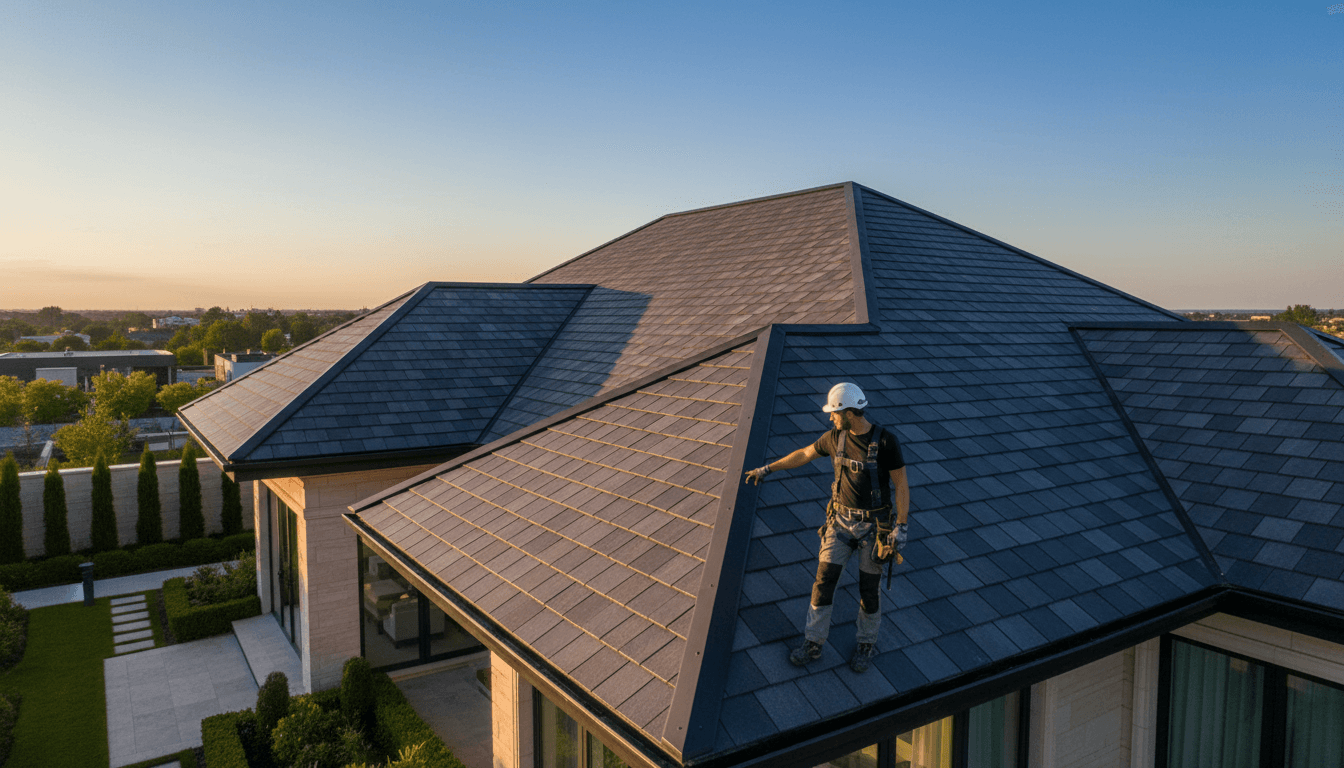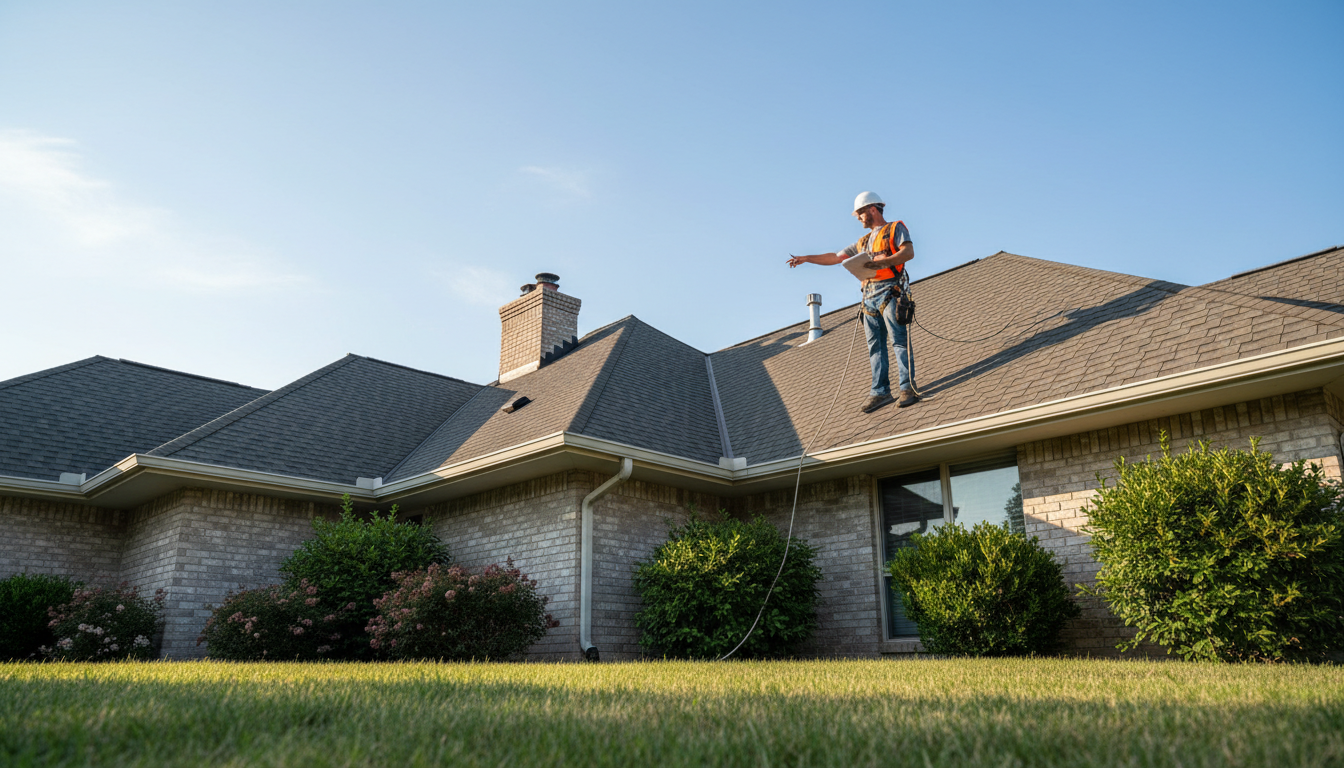
Choosing between roof repair vs replacement depends on the age of the materials and the extent of the damage; repairs are often sufficient for minor leaks on roofs under 15 years old. Homeowners should opt for a full replacement if they notice widespread shingle loss, structural sagging, or if the roof has exceeded its 20 to 30 year lifespan. Evaluating these factors helps determine the most cost-effective way to ensure long-term protection for your property.
A leaking roof or missing shingles represents more than a simple maintenance task; it is a significant source of anxiety that pits long-term structural integrity against immediate financial reality. For Utah homeowners, this pressure is intensified by a high-desert climate that swings from blistering UV exposure to heavy snow loads, often forcing a difficult choice between a quick fix and a total overhaul. Making the wrong call can lead to wasted capital or a compromised building envelope that fails during the next winter storm. In this guide, we will analyze the technical indicators that dictate your next move, including the 25 percent rule and age thresholds specific to local materials. You will learn how to evaluate Utah-specific warning signs and calculate the economics to determine if a targeted repair suffices or if a full replacement is the only responsible path forward.
The Utah Context: Why Our Climate Accelerates Roofing Decisions
Roofing in Fillmore and the surrounding Utah valleys follows a different set of rules than in more temperate states. While a manufacturer might label a shingle with a thirty year lifespan, the reality of living at 5,000 feet elevation often dictates a different timeline. The high altitude means the atmosphere provides less protection against solar radiation. This intense UV exposure accelerates the degradation of the asphalt oils that keep shingles flexible. As these oils bake away, shingles become brittle and prone to cracking, often reaching a critical state years before their counterparts in the Midwest or coastal regions.
The second major stressor is our rapid freeze thaw cycle. In Millard County, it is common to experience warm afternoon sun that melts snow, followed by a sharp drop to sub-freezing temperatures at night. When water seeps into minor imperfections and then expands as ice, it creates micro-cracks in the shingle matting. Over time, these small fractures expand, compromising the roof’s ability to shed water. These specific local conditions are why the debate between roof repair vs replacement arrives sooner for Utah homeowners. About our experienced team understands that a roof that appears structurally sound in another state might be nearing a systemic failure here.
Understanding these environmental pressures is the first step in assessing a property. When our professional roofing services technicians inspect a home, they look beyond simple surface wear to identify deep UV scorching and thermal expansion damage. These factors often turn what looks like a minor patch job into a larger conversation about long term protection. If you are noticing widespread grit in your gutters or brittle edges on your shingles, you can contact Gobes Roofing for a detailed assessment of your home’s specific condition.
The 25 Percent Rule and the Age Threshold
As grit accumulates in the gutters and shingles begin to show their age, homeowners must evaluate the extent of the visible damage against the total surface area of the home. We utilize a quantitative benchmark known as the 25 percent rule. This principle suggests that if more than a quarter of the roof's surface is compromised, seeking professional roofing services for a full replacement is usually the more cost-effective choice. Patching large sections is rarely a permanent solution; the labor required to weave new shingles into a failing system often approaches the cost of a full tear-off without providing the same long-term warranty protection.
Age thresholds further clarify the decision between roof repair vs replacement. In the high-altitude environment of Fillmore, Utah, these brackets are more rigid than in more temperate parts of the country.
Roof Age | Industry Recommendation | The Utah Reality |
|---|---|---|
Under 15 Years | Lean toward localized repair. | Often viable if the shingle mat remains flexible. |
15 to 20 Years | The "gray area" decision. | Increased UV degradation often makes shingles too brittle to lift. |
Over 20 Years | Lean toward full replacement. | Functionally older than a 20-year-old roof in a mild climate. |
A 20-year-old roof in Millard County has endured a level of thermal shock and UV degradation that a similarly aged roof in a coastal region has not. Because about our experienced team prioritizes lasting structural integrity, we frequently find that shingles in this age range have lost their seal. If the surrounding shingles crack when lifted to install a patch, the roof has reached its functional limit. In these cases, a repair is essentially a temporary bandage on a systemic failure, making replacement the only way to ensure the home remains weather-resistant and code-compliant.
Critical Warning Signs Specific to Utah Homes
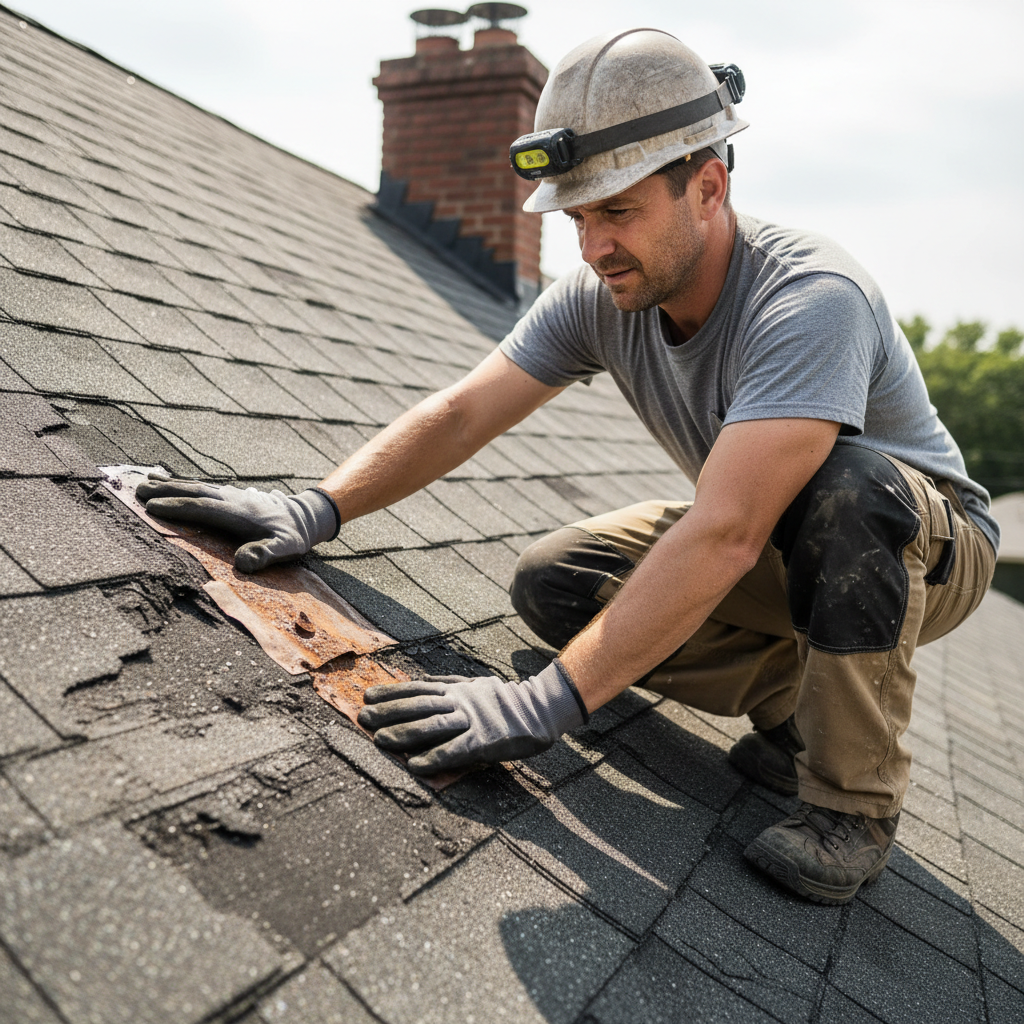
Determining the right path in the roof repair vs replacement debate requires a close inspection of the shingle’s physical integrity. In Fillmore and the surrounding Millard County area, the most telling sign of a failing roof is often found at the base of your downspouts. When the protective mineral granules on a shingle lose their bond due to UV degradation, they wash into the gutters, appearing as heavy accumulations of black, sand-like particles. These granules serve as the solar shield for the underlying asphalt matting; once they are gone, the sun accelerates the drying and cracking process, leaving the roof vulnerable to the next major storm.
Visible distortion of the shingles, specifically curling and cupping, provides further evidence of high-altitude environmental stress. Curling occurs when the edges turn upward, while cupping happens when the center of the shingle becomes concave. Both conditions prevent the roof from shedding water effectively and make the shingles susceptible to wind blow-offs. This physical warping is a direct result of the intense Utah sun drawing the moisture and oils out of the asphalt. Once shingles have reached this level of deformity, they can no longer provide a reliable seal against driving rain or heavy snow loads.
Warning Sign | Physical Indicator | Typical Cause in Utah |
|---|---|---|
Granule Loss | Black sediment in gutters or bare patches on shingles. | High-altitude UV exposure eroding the asphalt bond. |
Curling / Cupping | Edges or centers of shingles turning upward or distorting. | Thermal shock and loss of volatiles in the shingle mat. |
Micro-Cracking | Small, jagged fractures across the shingle surface. | Rapid freeze-thaw cycles expanding trapped moisture. |
It is important to distinguish between localized damage and systemic failure. A leak centered around a chimney, skylight, or vent pipe often stems from compromised flashing or old sealant. About our experienced team frequently resolves these issues with targeted professional roofing services that do not require a full tear-off. However, if you notice widespread brittleness, where shingles snap or crack when handled, the entire system has likely reached its limit. If you are concerned about the current state of your shingles after a rough winter, contact Gobes Roofing for a practical assessment of your home's weather resistance.
When a Roof Repair is the Smart Choice
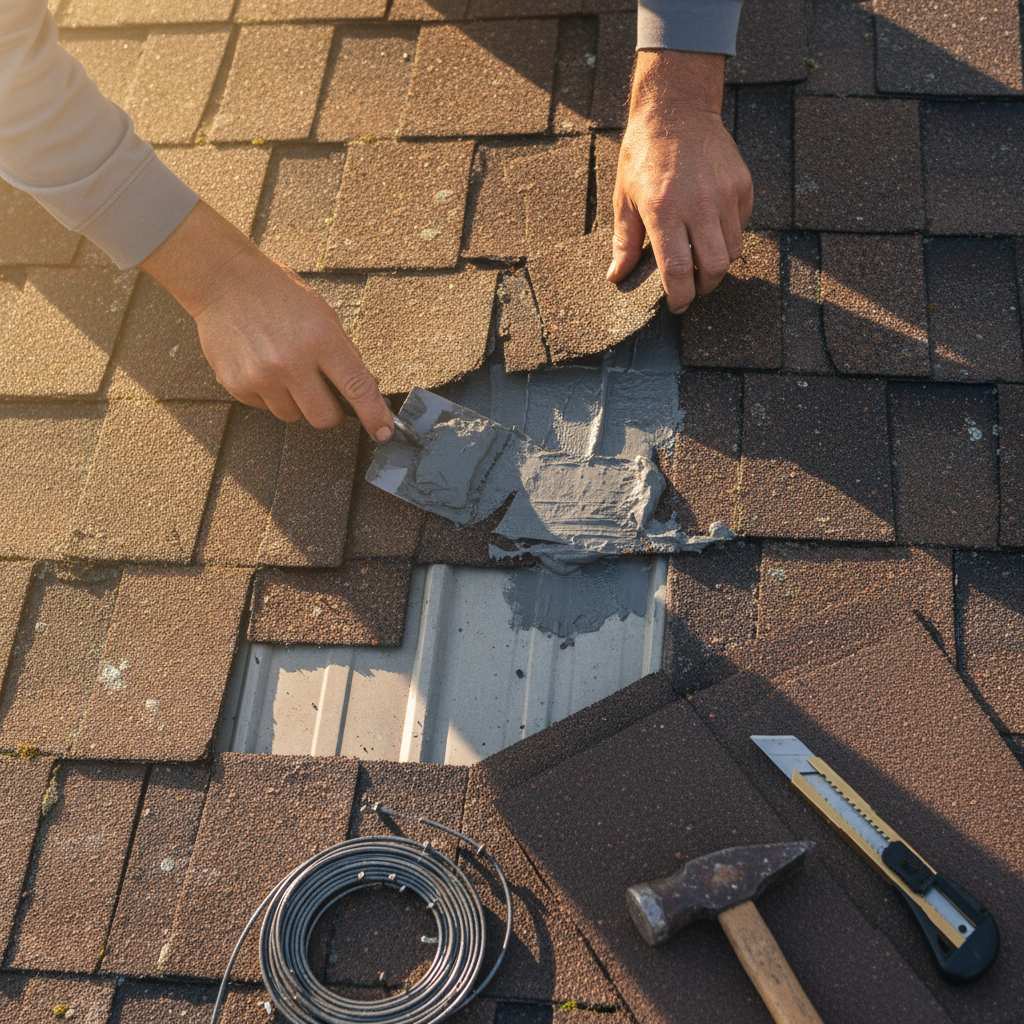
While systemic failure often leads to replacement, there are clear scenarios where opting for a targeted repair is the most strategic move. If your home has suffered localized wind damage from a single storm or shows a minor leak around a chimney or plumbing vent, a full overhaul is likely unnecessary. For roofs under 12 years of age, the shingle matting typically retains enough pliability to withstand the manipulation required for a patch. About our experienced team focuses on these specific penetration failures, which usually involve failed sealant or shifted flashing rather than a breakdown of the shingles themselves.
The primary factor we evaluate during an inspection is repairability. In the context of roof repair vs replacement, a repair is only viable if the surrounding materials are healthy. Our technicians perform a pliability test; if a shingle is too brittle to be lifted so that a new one can be nailed underneath, a patch will not hold. In the intense Utah heat, shingles can bake onto the roof deck. Attempting to force a repair on an inflexible surface often causes micro-fractures in the surrounding area, creating new leak points. When the integrity of the existing shingles allows for it, our professional roofing services can extend the life of your roof by several years. If you are unsure if your shingles can handle a patch, you can contact Gobes Roofing for a physical assessment of your roof's flexibility.
When Full Replacement is Non-Negotiable
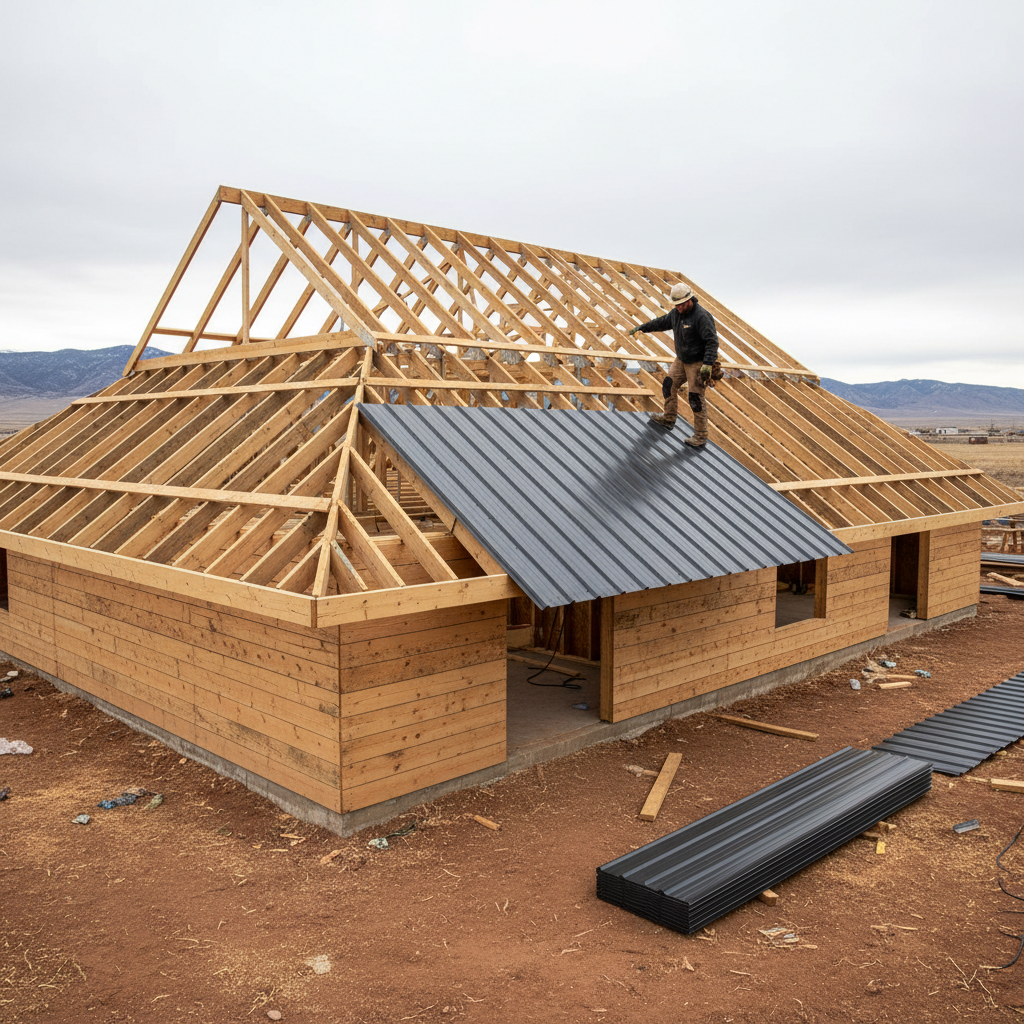
When a roof reaches the point of no return, the conversation shifts from preservation to replacement. One of the clearest indicators of systemic failure is a sagging roofline. This typically suggests structural compromise where long term moisture has weakened the plywood decking or the underlying rafters. Similarly, if you discover active leaks in multiple rooms, the waterproofing integrity of the entire system has likely failed. In these scenarios, about our experienced team advises against localized patches; the underlying rot or widespread shingle degradation will continue to cause damage regardless of minor surface fixes.
A significant technical hurdle in Millard County is the second layer problem. Utah building codes generally prohibit installing a new layer of shingles over an existing two layer system. If your home already has two layers, a full tear off is non negotiable. This process is essential to inspect the roof deck for hidden damage and ensure the new installation meets modern safety standards. Attempting to repair a double layer roof is often futile because the extra weight and thickness make it nearly impossible to secure new shingles properly or locate the true source of a leak.
Indicator | Action Level | Technical Reason |
|---|---|---|
Sagging Ridges | Non-negotiable Replacement | Potential structural rot or decking failure. |
Multi-room Leaks | Non-negotiable Replacement | Systemic failure of the underlayment and shingle mat. |
Two Existing Layers | Mandatory Tear-off | Required by Utah building code for structural safety. |
Homeowners often ask if 30,000 dollars is too much for a roof. While the final price depends heavily on square footage and material choice, a high quality Utah replacement involves more than just basic shingles. It requires premium underlayment and heavy duty ice and water shields designed to handle heavy snow loads and ice damming. These components add to the initial investment but provide essential long term protection. For an accurate quote based on your home’s specific needs, contact Gobes Roofing to discuss our professional roofing services and modern installation methods.
The Economics of Roof Repair vs Replacement Cost
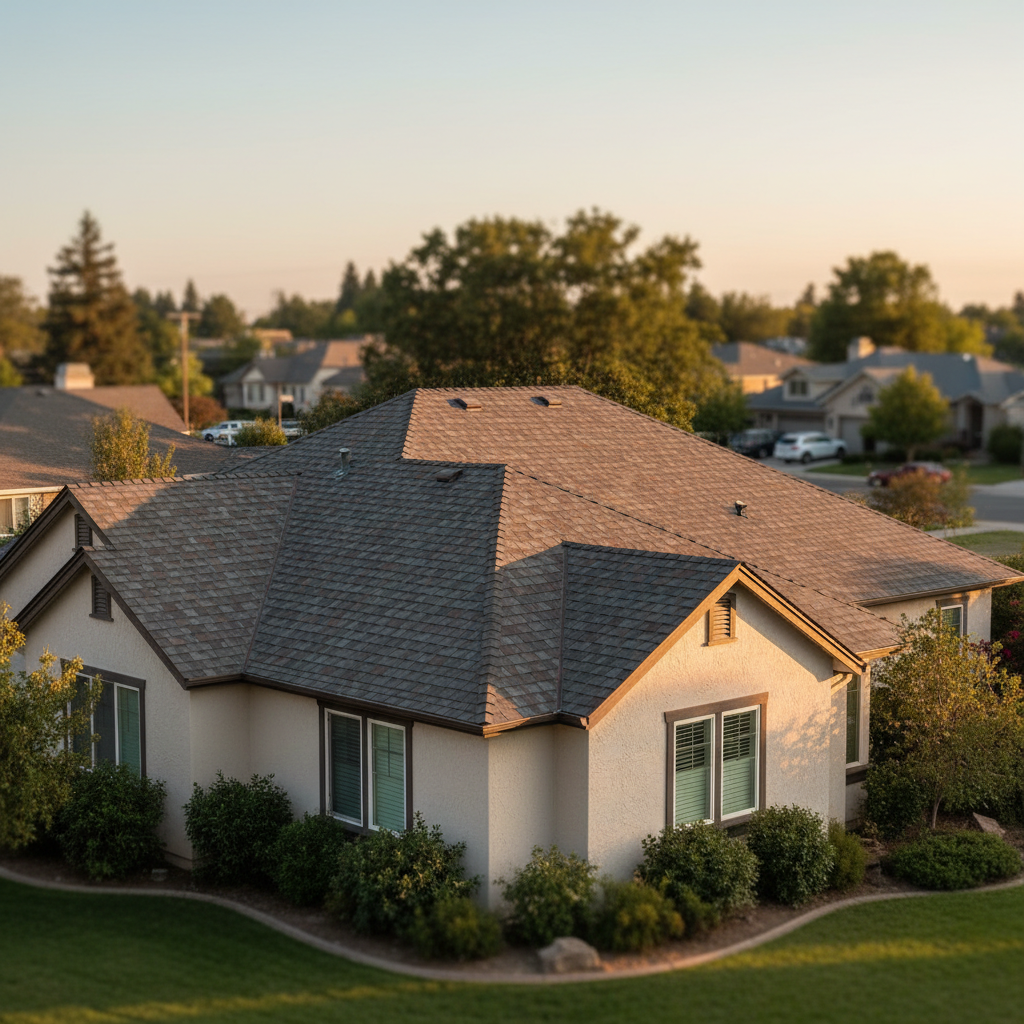
Evaluating the financial impact of a roofing decision requires looking past the immediate invoice. A localized repair, typically costing between $500 and $1,500, offers significant short term savings if the fix addresses a specific, isolated issue. However, if these repairs become an annual requirement, you are essentially financing a systemic failure in increments. In the Millard County real estate market, a documented full replacement serves as a powerful asset. Prospective buyers often discount offers by the full estimated cost of a new roof plus a margin for hassle, meaning an investment in professional roofing services today can preserve equity during a future sale.
Insurance considerations have also become a primary driver in the roof repair vs replacement debate. Many carriers in Utah have tightened their underwriting standards, often refusing to renew policies or increasing premiums significantly for homes with roofs exceeding 20 years of age. If you are pursuing a claim for storm damage, it is critical to review your policy's depreciation schedule. Many older roofs are insured for Actual Cash Value (ACV) rather than Replacement Cost Value (RCV). This means the insurer will subtract the roof's age from the payout, leaving the homeowner with a larger out of pocket expense.
Financial Factor | Repair ($500 - $1,500) | Replacement (Full Scale) |
|---|---|---|
Immediate Outlay | Low; targets specific leaks. | High; involves materials and labor. |
Real Estate Impact | Neutral; maintains status quo. | High; increases appraisal value. |
Insurance Status | Policy remains at risk if roof is old. | Stabilizes premiums and coverage. |
Utah Lifespan | 1 to 5 years (variable). | 20 to 30 years (with maintenance). |
About our experienced team can help you document the condition of your roof to provide clear evidence for your insurance adjuster. Taking a proactive approach to replacement before a total failure occurs ensures you remain insurable and protects the underlying structure from compounding water damage costs. For a detailed breakdown of how a new installation fits your budget, you can contact Gobes Roofing for a consultation.