Choosing the right commercial roofing Utah involves evaluating membrane options like TPO and EPDM, with installation costs generally ranging from $4 to $12 per square foot. Business owners should schedule professional inspections twice a year and after severe weather to ensure long term durability and prevent expensive repairs.
Managing a commercial facility in Utah means contending with an unforgiving climate that tests every square inch of your building envelope. Between the intense UV radiation of our high-altitude summers and the heavy snow loads of winter, a minor structural oversight can quickly escalate into a costly operational shutdown. For Central Utah business owners, roofing is not merely a utility; it is a critical asset that requires strategic management to avoid premature failure. In this guide, we provide an expert breakdown of the most effective membrane systems, including a direct comparison between TPO and EPDM. You will also learn how to identify ponding water risks, establish a proactive inspection schedule, and navigate the projected cost landscape for 2026. Our goal is to equip you with the practical knowledge needed to protect your investment and maintain a weather-tight facility.
Understanding the Commercial Roofing Landscape in Central Utah
Business owners in Millard County operate under specific environmental pressures that differ significantly from other regions. At our elevation, high altitude UV exposure acts as a constant abrasive on roofing materials, while winter brings heavy snow loads that put immense pressure on structural integrity.
Investing in a commercial roof is a high stakes decision. It is the primary barrier protecting your inventory, equipment, and daily operations from the elements. A failure here is not just a repair cost; it is a threat to your business continuity. While residential roofing often prioritizes aesthetics and curb appeal, commercial roofing Utah strategies center on thermal performance and effective drainage.
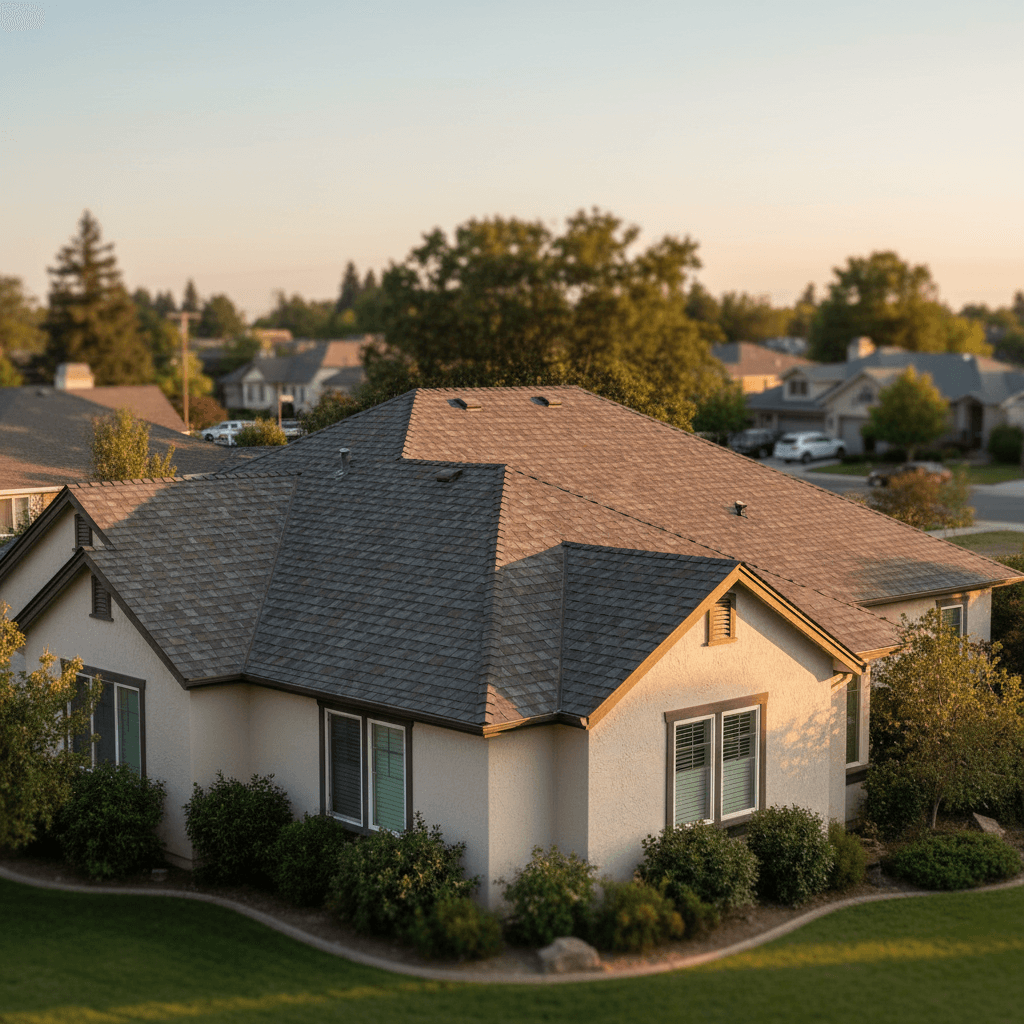
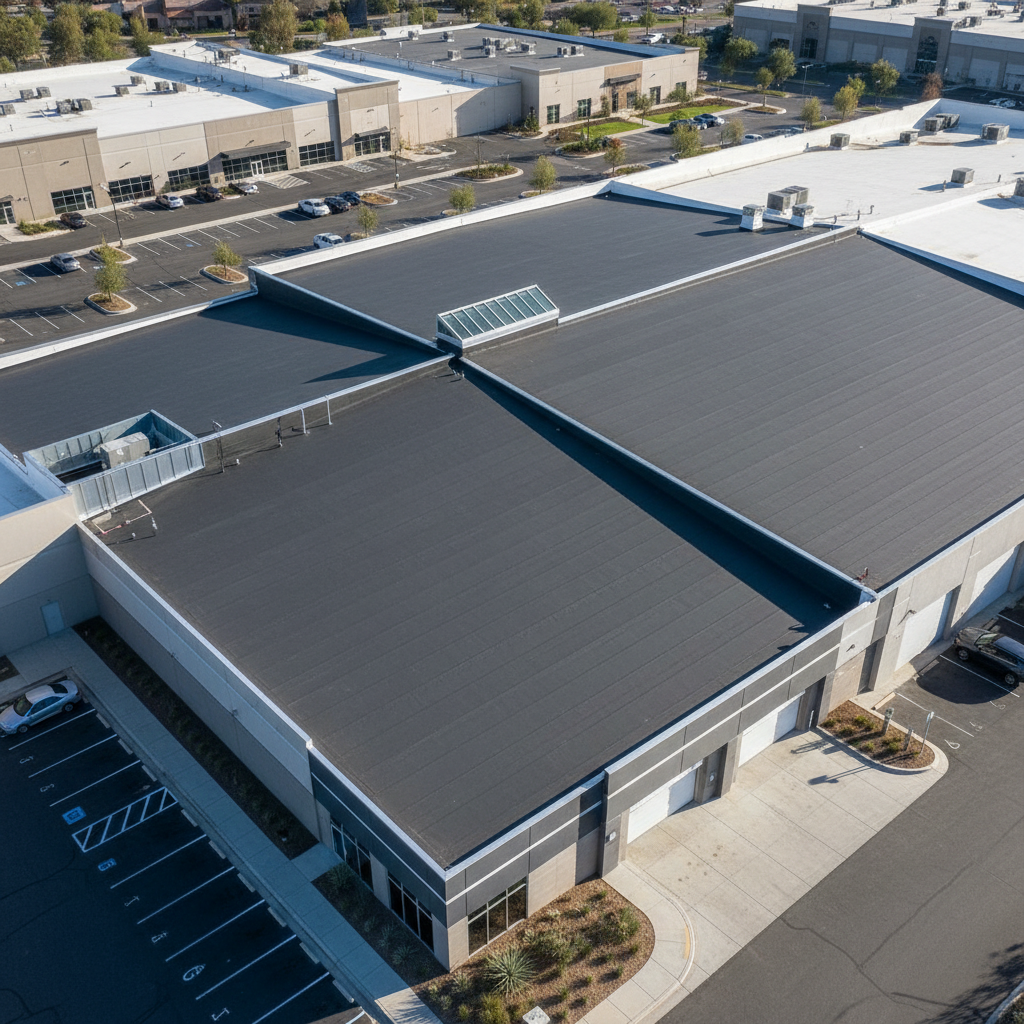
In Fillmore commercial districts, we typically see two distinct styles: steep slope and low slope systems. Steep slope systems, often found on smaller retail storefronts, rely on gravity to shed moisture. Low slope or flat systems, common on larger warehouses and office complexes, require precise engineering to manage water runoff and thermal expansion. Gobes Roofing provides reliable professional roofing services tailored to these specific architectural needs. To discuss your building's specific requirements and ensure your assets are protected against the local climate, you can contact Gobes Roofing for a detailed assessment.
Top Commercial Membrane Systems: TPO vs EPDM for Utah Climates
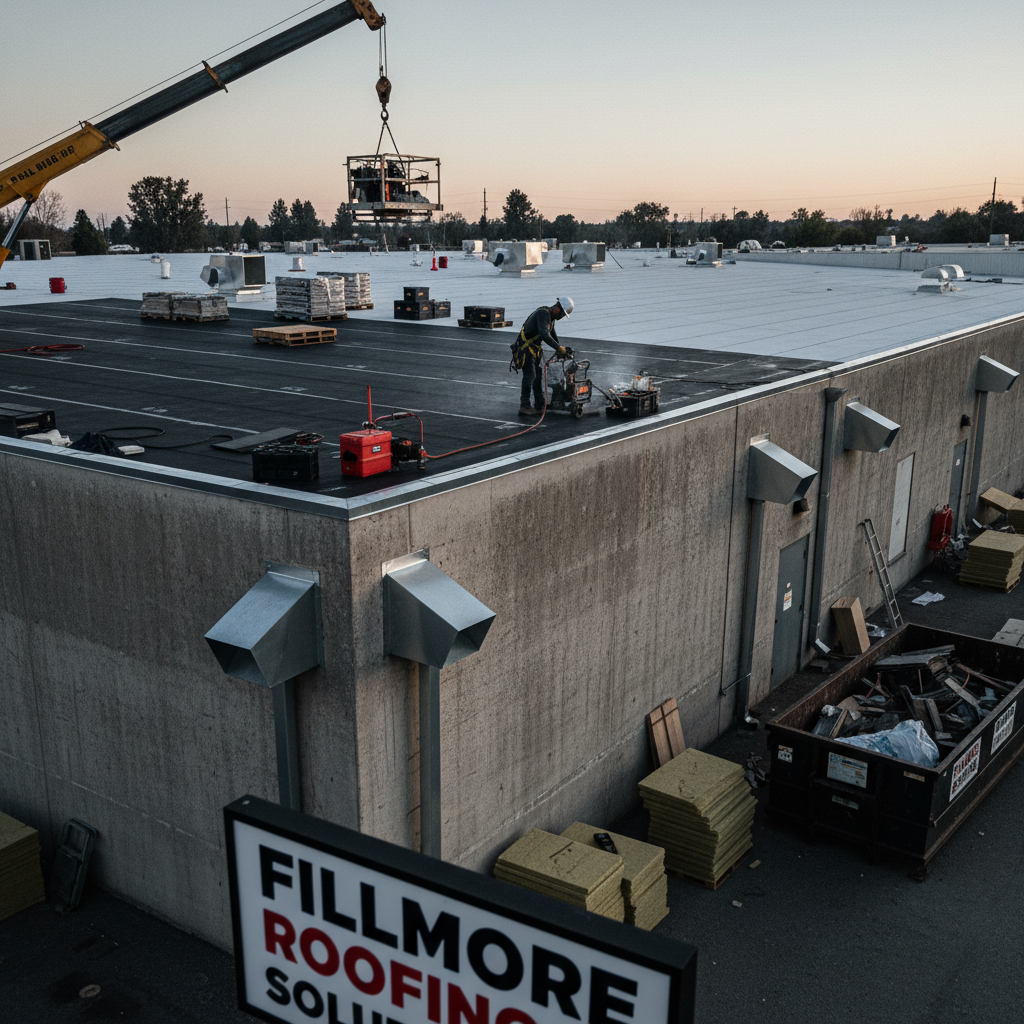
Choosing the right material for a low-slope system in Fillmore requires balancing upfront costs with long-term energy performance. In the context of commercial roofing Utah, the two primary contenders are Thermoplastic Polyolefin (TPO) and Ethylene Propylene Diene Terpolymer (EPDM). Both are single-ply membranes, yet they react differently to the high-altitude environment of the Great Basin.
TPO is a white, reflective membrane that has become the standard for energy-conscious business owners in our region. Its primary benefit is its high albedo, which means it reflects a significant portion of solar radiation back into the atmosphere rather than absorbing it into the building envelope. During intense Utah summers, this reflective property keeps the roof surface temperature significantly lower, reducing the strain on HVAC systems and lowering monthly cooling costs. Typically, a TPO installation costs between $5 and $12 per square foot. The seams are heat-welded together, creating a monolithic layer that is highly resistant to leaks and wind uplift, which is essential for the open terrain around Millard County.
EPDM is a synthetic rubber membrane, most often recognized by its black surface. It is prized for its extreme durability and elasticity, allowing the material to stretch and retract as temperatures fluctuate from sub-zero winters to blistering summers. Because it is a rubberized product, EPDM has a proven track record of longevity in cold climates where freeze-thaw cycles can brittle other materials. It generally costs between $4 and $10 per square foot. While it lacks the reflective properties of TPO, its ability to absorb heat can be an advantage during the long Utah winters by helping to melt snow more quickly.
Feature | TPO (Thermoplastic Polyolefin) | EPDM (Rubber) |
|---|---|---|
Primary Color | White (Reflective) | Black (Heat-Absorbing) |
Estimated Cost | $5 – $12 per sq. ft. | $4 – $10 per sq. ft. |
Seam Method | Heat-Welded | Adhesive/Tape |
Best For | Energy efficiency & UV resistance | Durability & cold climate performance |
The final decision often depends on the specific thermal goals of your facility. A warehouse requiring strict climate control for inventory may prioritize the energy savings of TPO, while a structure prioritized for long-term mechanical resilience might lean toward EPDM. To determine the most effective system for your property, utilizing reliable professional roofing services is the best way to ensure the membrane is compatible with your existing deck and insulation. You can contact Gobes Roofing to schedule a professional evaluation and receive a detailed breakdown of which system best fits your 2026 facility goals.
The Ponding Water Problem: Why Standing Water is a Flat Roof Killer
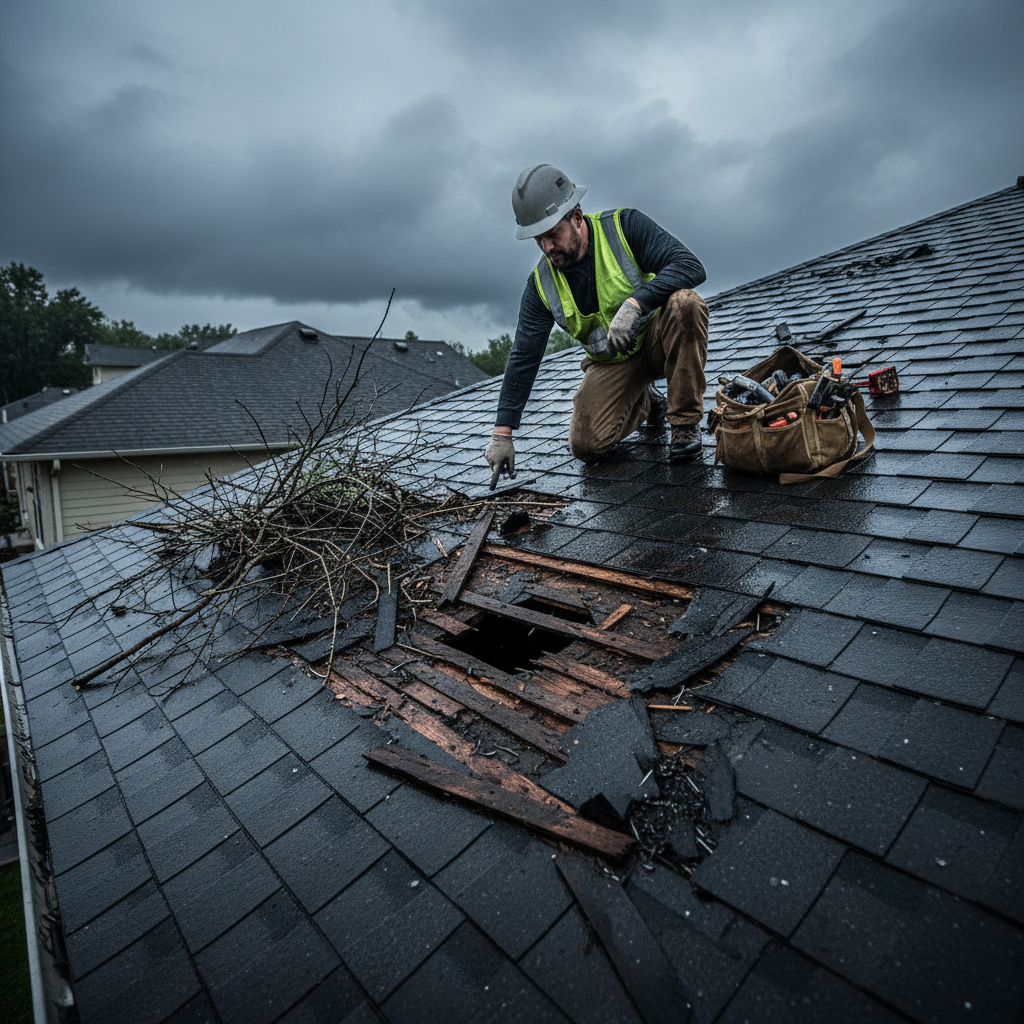
Selecting a high-quality membrane is only the first step in protecting a facility; the system must also effectively shed water to remain viable. In the world of commercial roofing Utah, the most common threat to a flat roof is ponding. Industry standards define ponding as any water that remains on the roof surface for more than 48 hours after a precipitation event. If water sits longer than this window, it begins to compromise the chemical and structural integrity of the entire system.
Standing water acts as a magnifying glass for high-altitude UV rays, which accelerates the degradation of the membrane surface and leads to premature brittleness. Furthermore, the constant hydrostatic pressure exerted by ponding water targets the weakest points of the installation: the seams and penetrations. Over time, moisture can seep through these microscopic gaps, saturating the insulation beneath. This becomes particularly dangerous during Millard County winters. A roof deck already weakened by moisture and the weight of standing water is significantly more likely to suffer structural failure or collapse when subjected to heavy snow loads.
Addressing these drainage issues requires specific engineering solutions rather than temporary patches. Common professional remedies include:
Tapered Insulation Systems: Installing rigid foam panels with a built-in slope to direct water toward drains.
Scupper Maintenance: Clearing debris from perimeter outlets to prevent backup during flash storms.
Internal Drain Upgrades: Adding or expanding secondary drainage points in low spots where the building has settled.
Investing in these corrections is far more cost-effective than a total system failure. Research indicates that ponding water repairs typically cost between $350 and $3,000 depending on the severity of the deflection and the state of the underlying deck. To prevent these costs from escalating, business owners should utilize reliable professional roofing services to identify drainage deficiencies early. If you notice large birds frequenting your roof or visible staining after a storm, contact Gobes Roofing to evaluate your drainage plan before the next heavy snow season.
How Often Should a Commercial Roof Be Inspected in Utah?

Managing drainage and material degradation requires consistent oversight rather than occasional reaction. In the Great Basin climate, commercial roofing Utah assets face intense seasonal shifts that necessitate a twice yearly inspection schedule. Following industry best practices, we recommend a primary assessment in the Spring to identify damage caused by the winter snow load and freeze-thaw cycles. A second assessment should occur in the Fall to ensure the membrane and drainage systems are clear and reinforced before the next freeze arrives.
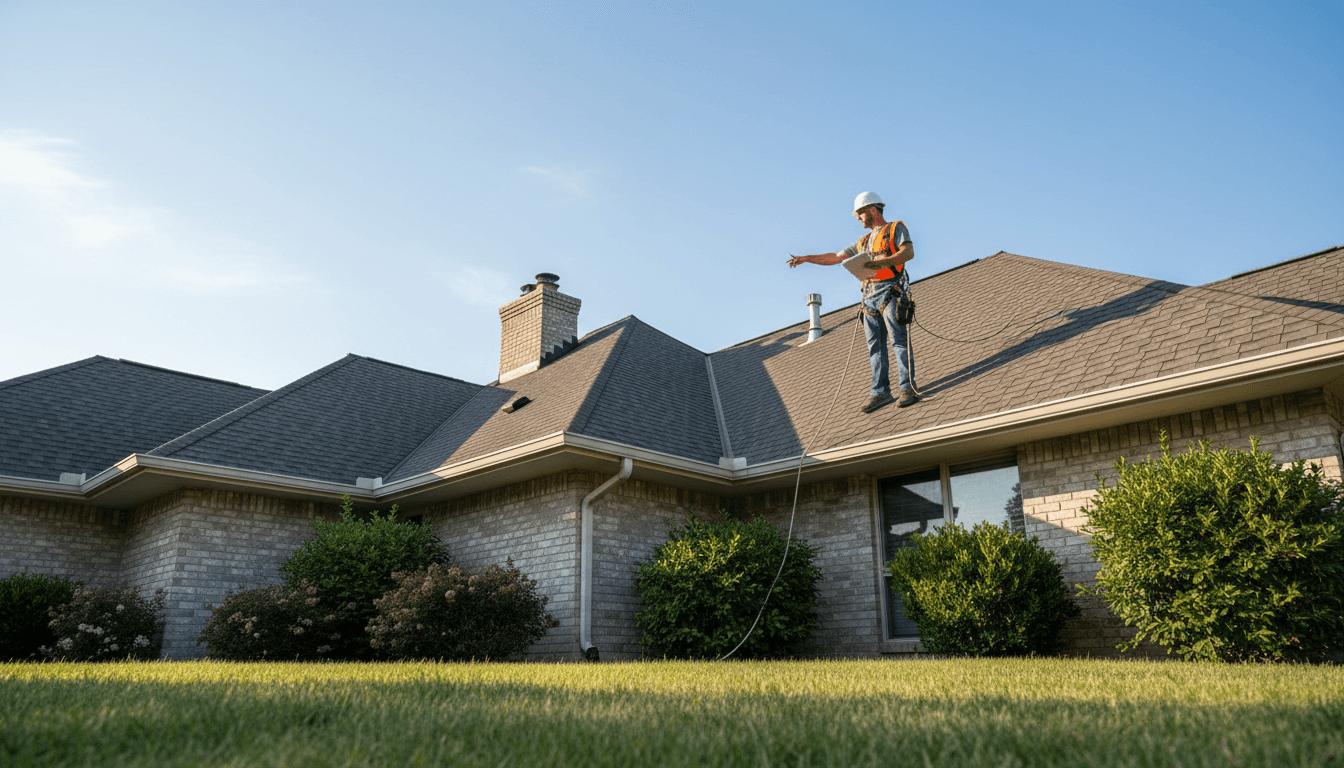
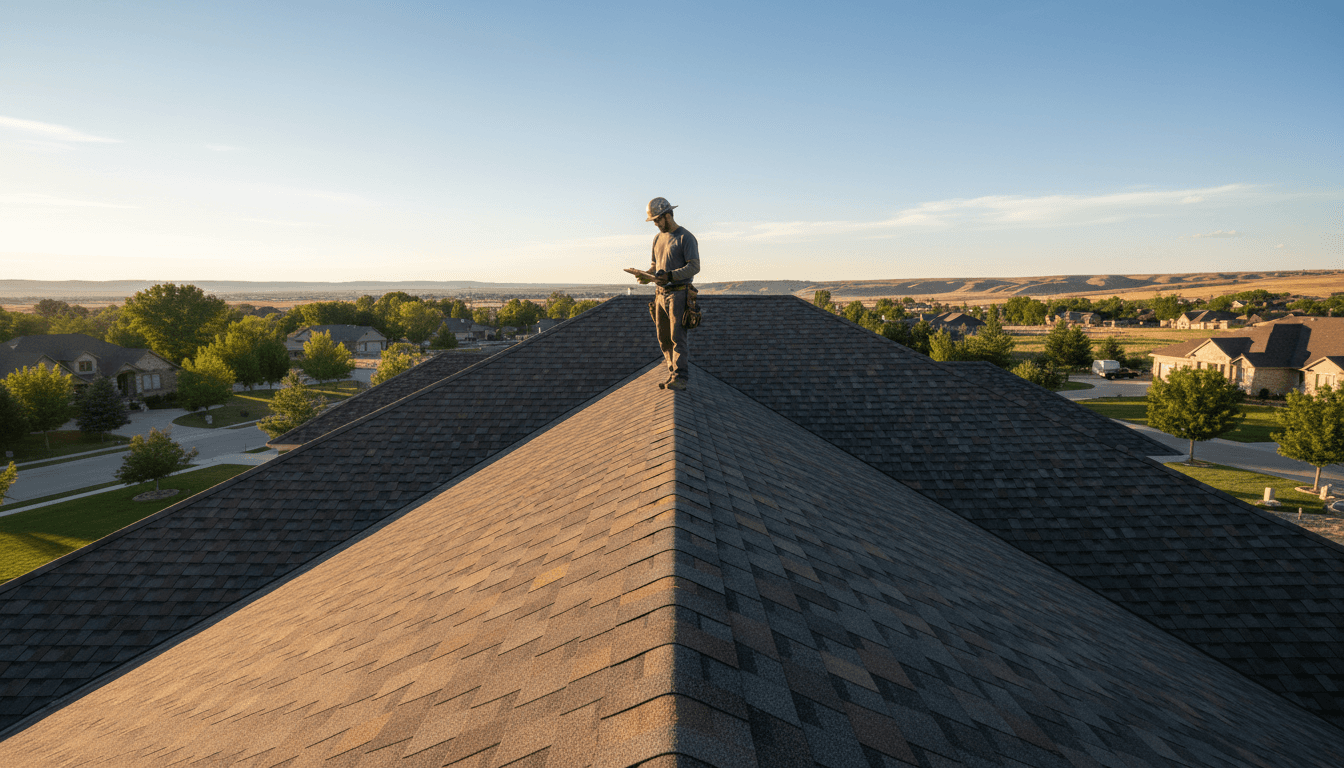
Beyond the seasonal schedule, a professional should walk the roof after any significant weather event common to Fillmore, such as high wind gusts or heavy hailstorms. These events can dislodge flashing or create micro-punctures that remain invisible from the ground. Data shows that maintaining this proactive posture can extend a commercial roof's functional life by 8 to 10 years compared to a reactive model where repairs only occur after a leak is detected. Proactive maintenance minimizes the likelihood of emergency disruptions that can halt your operations.
A standard inspection focuses on the critical transition points and high stress areas of the system. During these visits, we utilize a specific checklist to ensure no detail is overlooked:
Membrane Integrity: Checking for signs of shrinkage or pulling at the edges, which is common in aged rubber systems.
Drainage Clearance: Removing organic debris from scuppers, gutters, and internal drains to prevent the ponding issues discussed previously.
HVAC and Penetrations: Inspecting the flashing and sealants around rooftop units, which are prone to vibration related cracking and seal failure.
Seam Security: Testing the bond of heat-welded TPO seams or adhesive EPDM joints to ensure they remain watertight.
Engaging in reliable professional roofing services ensures that these minor adjustments prevent major capital expenditures later. To establish a recurring maintenance plan for your facility, contact Gobes Roofing to schedule a baseline assessment.
Budgeting for 2026: Commercial Roofing Utah Cost Forecast
Establishing a 2026 capital expenditure budget requires accurate forecasting based on local market conditions. For properties in Millard County requiring a full system overhaul, a TPO tear off and reroofing project typically ranges from $600 to $1,000 per square. In industry terms, a square represents 100 square feet. This price range accounts for the labor of removing the failing membrane, disposal fees, and the installation of a new, heat welded system.
If your existing insulation remains dry and structurally sound, a full replacement might not be necessary. Restoration via high performance coatings offers a more affordable alternative, generally costing between $4 and $5 per square foot. These coatings extend the life of the existing membrane and provide a fresh reflective surface for improved energy efficiency.
Project Type | Estimated Unit Cost | Notes |
|---|---|---|
TPO Tear Off & Reroof | $600 – $1,000 per square | Includes removal and disposal |
Restoration / Coating | $4 – $5 per sq. ft. | Requires dry insulation |
Emergency Repairs | $350 – $3,000+ | Depends on severity |
Labor costs and material availability for commercial roofing Utah projects can fluctuate as seasonal demand peaks. To secure current pricing and ensure project slots are available for the 2026 season, early planning is essential. By utilizing reliable professional roofing services to obtain a detailed quote today, you can lock in a timeline that avoids mid summer price spikes. Contact Gobes Roofing to receive a comprehensive estimate tailored to your facility's square footage and insulation status.
Common Commercial Roof Problems and Professional Solutions
Beyond drainage concerns, commercial roofing Utah systems often face membrane shrinkage and blistering. Shrinkage occurs when the membrane pulls away from the roof perimeter, with repair costs typically ranging from $500 to $5,000. Blistering, often caused by trapped moisture expanding in the Fillmore sun, creates dangerous pockets that can eventually rupture if left unaddressed.
Gobes Roofing utilizes modern diagnostic tools and proven repair methods to address these defects safely and in full compliance with local building codes. We prioritize clear communication, keeping you informed of our progress so that your business operations face minimal disruption. Investing in reliable professional roofing services ensures these problems are caught early. To schedule a comprehensive evaluation of your facility, contact Gobes Roofing today.
Maintaining a durable commercial roof in Utah requires a balance of high-quality membrane materials and consistent inspections. By prioritizing these elements today, you protect your long-term investment and ensure your business remains operational regardless of the weather. If you want expert help managing your roofing needs or selecting the right system for your facility, you can learn more about our dedicated team and our commitment to local excellence. We are here to provide the guidance you need to keep your property in peak condition.