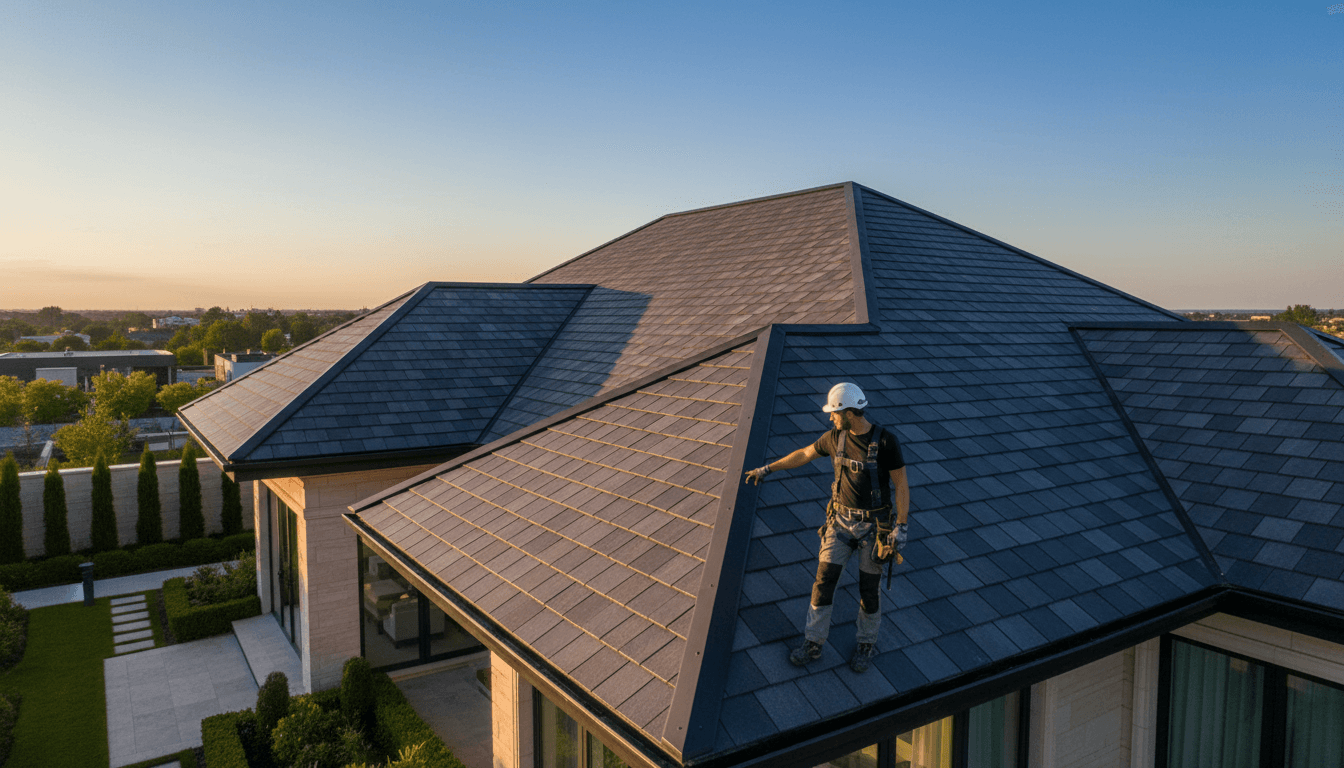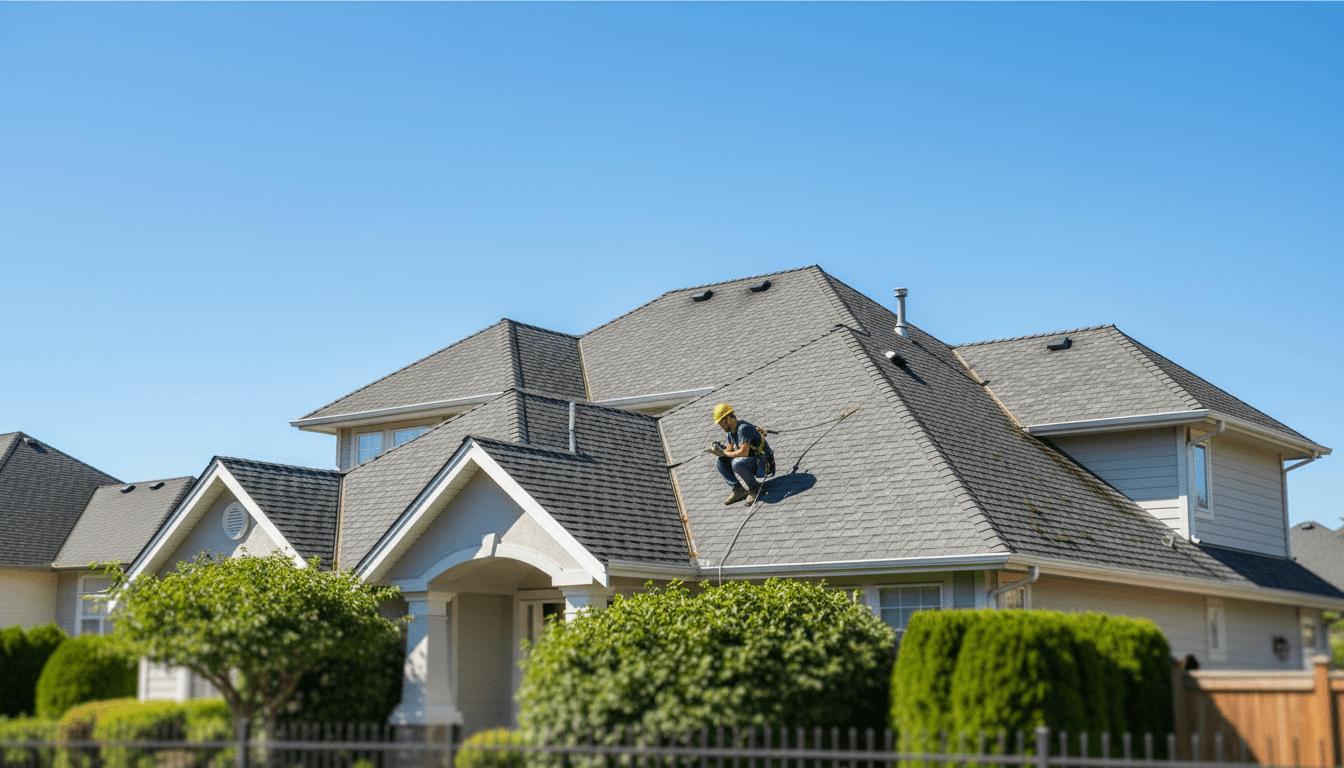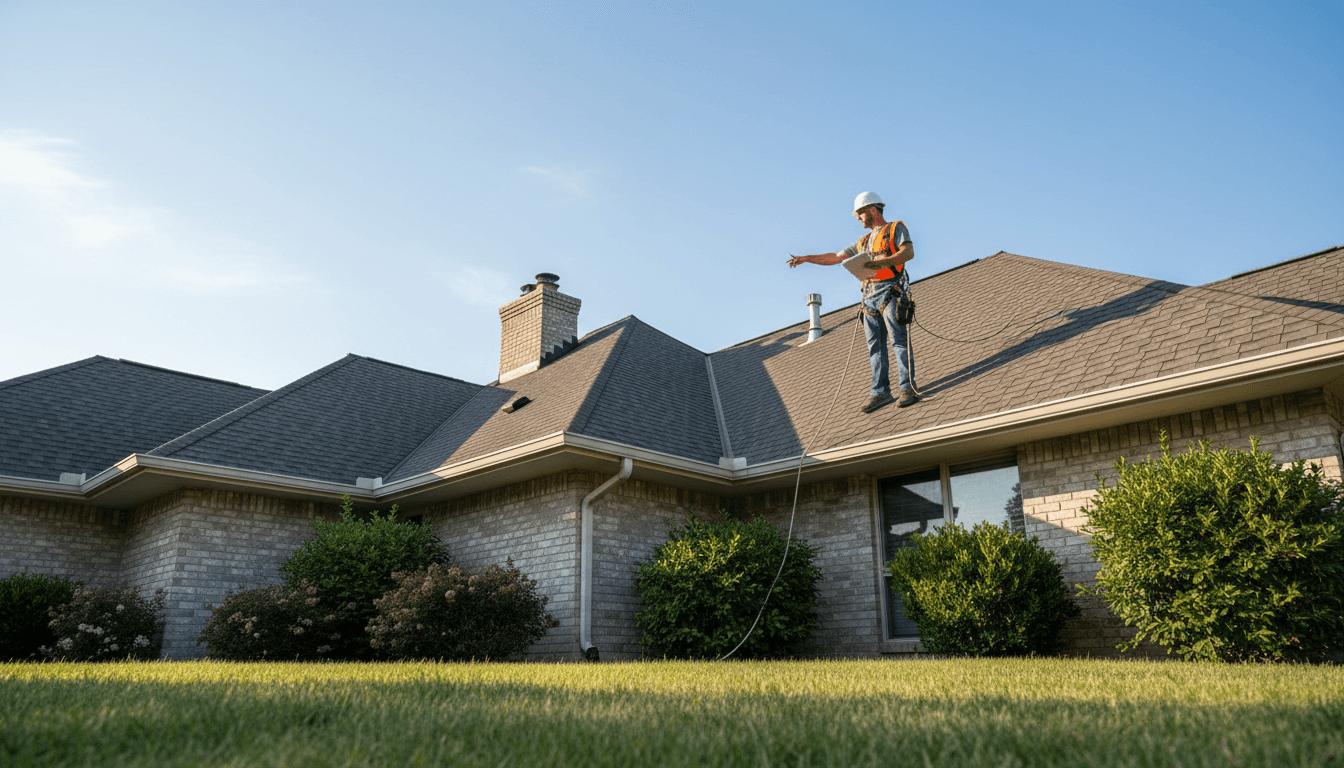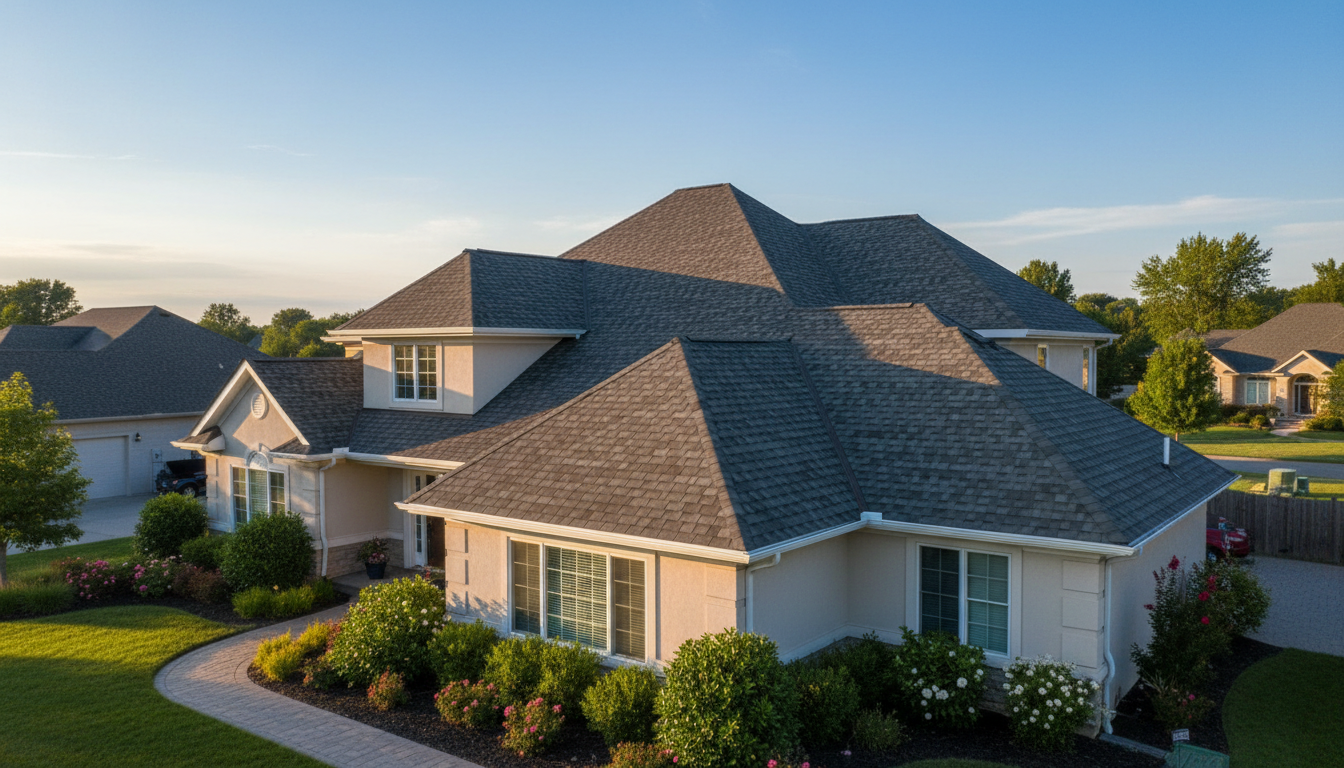
Investing in impact resistant roofing shingles is worth the cost for Utah homeowners because they provide superior protection against the state's frequent hail and severe wind storms. These shingles offer long term value by reducing maintenance costs and often qualifying homeowners for significant insurance premium discounts. While the initial investment is higher, the enhanced durability prevents premature roof failure and protects property value during extreme weather events.
Utah homeowners know that a single afternoon of severe hail or high mountain winds can turn a reliable roof into a liability overnight. For many in Fillmore, the recurring cycle of storm damage and insurance claims is a significant source of stress, leading to mounting costs and a loss of confidence in their home’s protection. This is why impact resistant roofing has become a critical topic for those looking to secure their property against the elements. Choosing the right shingles is not just about aesthetics; it is about engineering a defense that lasts. In this article, we will examine the technical UL 2218 classification ratings, compare the durability of storm proof materials against standard options, and evaluate the financial return on investment through insurance discounts and longevity. You will also learn why professional installation is the definitive factor in maximizing the performance of your new roofing system.
Understanding Impact Resistant Roofing Shingles and How They Work
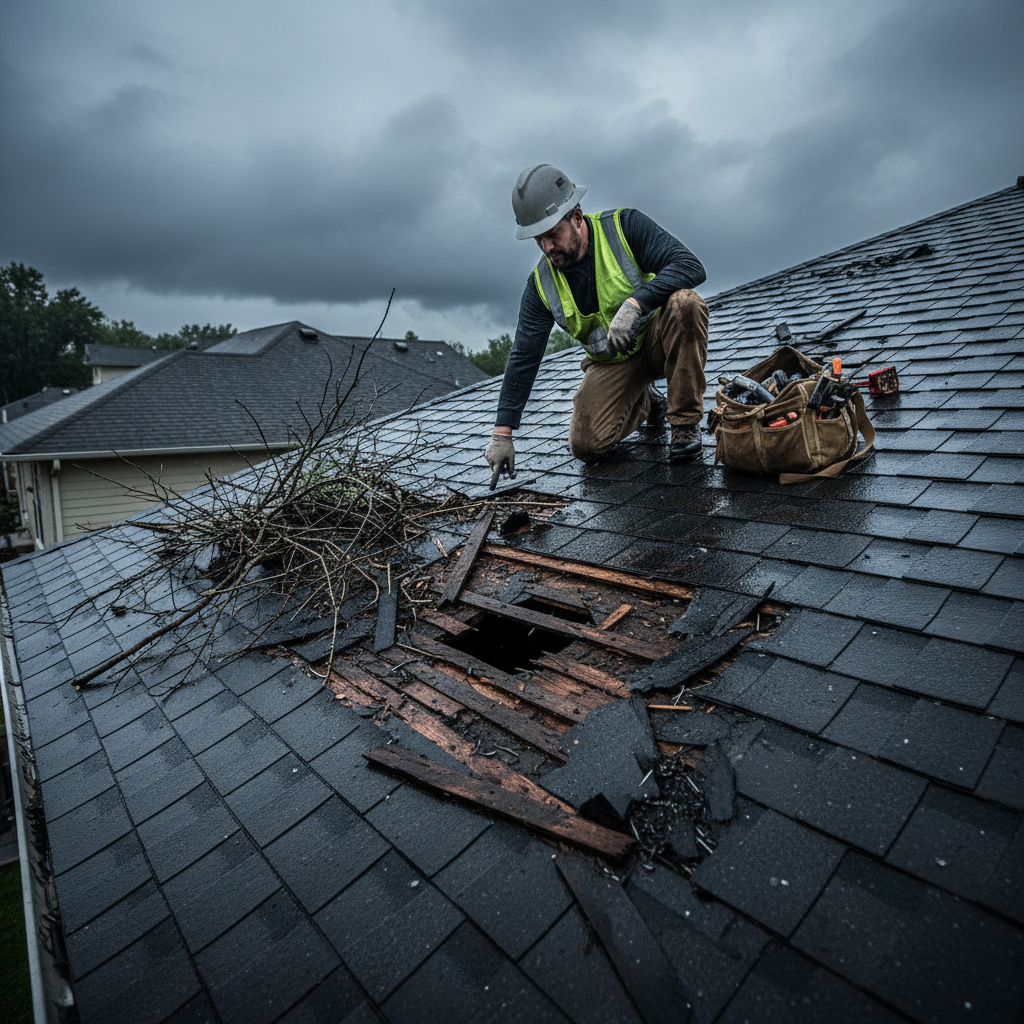
Homeowners often encounter the term "impact resistant" when discussing professional roofing services in Millard County, but the specific engineering behind these shingles is what truly provides the protection. Impact resistant roofing shingles are specialized materials designed to withstand physical force, primarily from hail or wind-blown debris, without sustaining structural damage that leads to leaks.
The secret to this durability lies in the asphalt chemistry. Most high-performance IR shingles utilize Styrene-Butadiene-Styrene (SBS) modified asphalt. SBS is a synthetic rubber polymer blended into the asphalt during the manufacturing process. This addition changes the physical properties of the shingle. While standard shingles are relatively rigid, SBS gives the material a rubberized quality that allows it to absorb kinetic energy. When a hailstone or heavy branch strikes the surface, the shingle flexes and recovers rather than fracturing.
This flexibility is the primary differentiator between IR products and standard architectural shingles. Standard shingles serve many homes well, but they naturally lose their essential oils and become brittle as they age, particularly when exposed to the intense UV radiation found in Fillmore. A brittle shingle is prone to cracking and granule loss during a storm. In contrast, impact resistant roofing shingles are engineered to remain pliable over a much longer lifecycle. By maintaining this elasticity, the shingles prevent the micro-cracking that eventually compromises a home's structural integrity, ensuring the underlayment and decking remain dry and secure.
The UL 2218 Classification: Decoding Class 1 to Class 4 Ratings
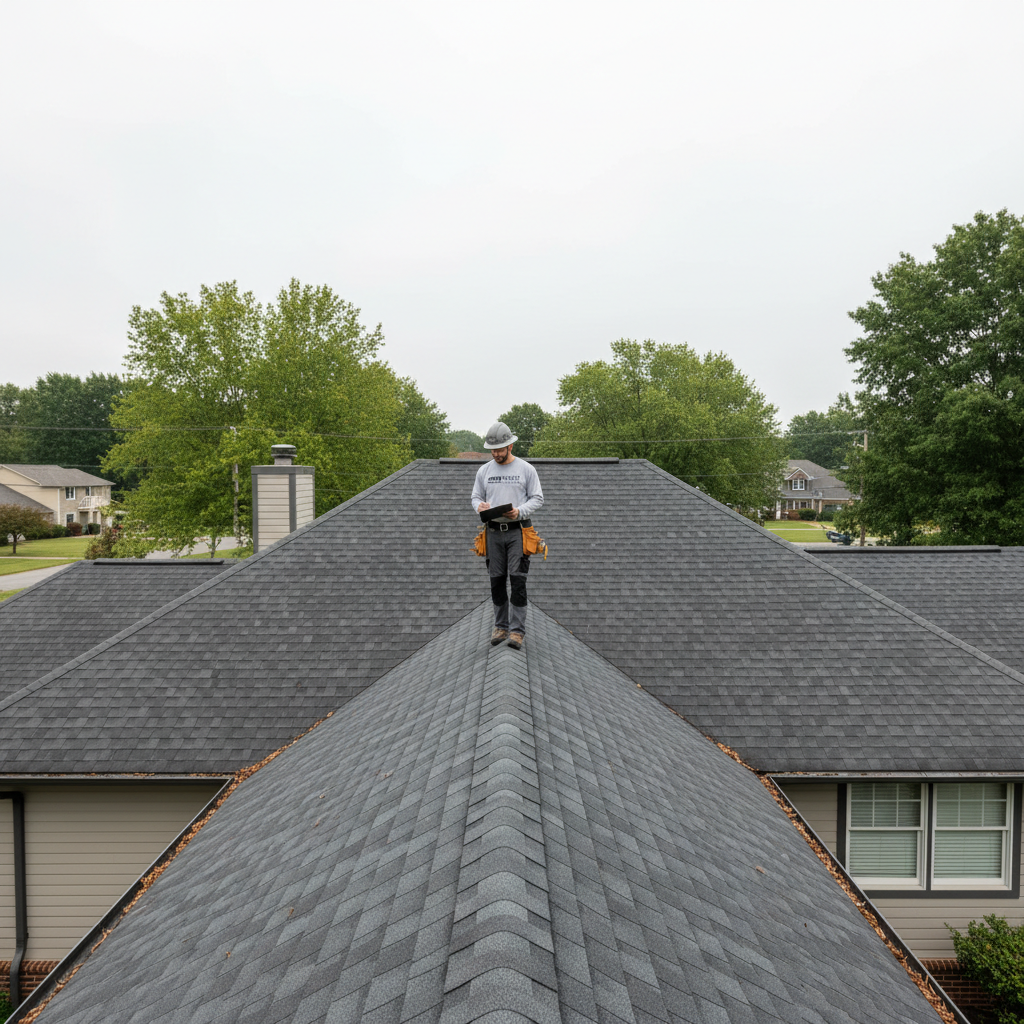
Understanding the chemistry of SBS modified asphalt is helpful, but the roofing industry relies on rigorous standardized testing to verify real-world performance. The primary benchmark for impact resistant roofing shingles is the UL 2218 classification, a test developed by Underwriters Laboratories. This procedure involves dropping steel balls of varying diameters from a height of 20 feet directly onto the shingle surface. To pass, the shingle must be struck twice in the same location without exhibiting any cracking, tearing, or structural fractures on the underside of the material.
The classification system is divided into four levels based on the size of the steel ball used during the test:
UL 2218 Rating | Steel Ball Diameter | Simulation Equivalent |
|---|---|---|
Class 1 | 1.25 inches | Small hail/debris |
Class 2 | 1.50 inches | Moderate hail |
Class 3 | 1.75 inches | Significant hail |
Class 4 | 2.00 inches | Severe hail/High-velocity impact |
While Classes 1 through 3 offer a baseline of protection, Class 4 impact resistant roofing shingles are considered the gold standard for high-performance exterior systems. A 2 inch steel ball carries significantly more kinetic energy than smaller sizes, mimicking the type of severe weather that often results in immediate insurance claims. For professional roofing services in areas prone to sudden storms, installing Class 4 materials ensures the roof deck remains protected even when the shingles take a direct, heavy hit.
Why Fillmore Homeowners are Choosing Storm Proof Roofing in 2026
Applying these performance standards to the local climate explains why high-performance systems are becoming the norm in Millard County. Residents in Fillmore face a unique set of meteorological challenges. Located near the base of the Pahvant Range, homes are subject to high-velocity winds and intense mountain hail that can easily puncture standard asphalt products. Thermal shock is also a major factor in our high-desert environment. The rapid temperature fluctuations between blistering afternoon sun and cool mountain nights cause shingles to expand and contract aggressively. Standard shingles often become brittle under these conditions, leading to premature cracking and accelerated wear.
Recent 2026 industry reports indicate a growing trend toward durable, performance-driven upgrades across Utah. Homeowners are increasingly weary of the cycle of reliable roof repairs following typical spring storms. By choosing impact resistant roofing shingles, they gain a reinforced layer of defense against direct hail strikes and wind-blown debris. While standard shingles often require immediate attention after a storm to prevent leaks, these specialized materials maintain their seal and structure. This move toward storm-proof roofing reflects a practical desire to avoid the recurring costs and stress associated with Utah's volatile weather patterns.
Impact Resistant Shingles vs Regular Shingles: A Performance Comparison
While the initial look of a home may seem unchanged after an upgrade, the technical specifications tell a different story. Standard architectural shingles typically offer a functional lifespan of 20 to 25 years in the Utah climate. By comparison, impact resistant roofing shingles are engineered for 30 to 50 years of service. This longevity stems from the SBS modified asphalt, which prevents the drying and cracking that usually ends a roof's life prematurely.
Beyond lifespan, wind performance is a critical differentiator. Many Class 4 products carry wind resistance ratings of up to 130 mph; this provides a significant edge during the high velocity gusts common near the Pahvant Range.
Feature | Standard Architectural Shingles | Impact Resistant (Class 4) Shingles |
|---|---|---|
Expected Lifespan | 20 to 25 Years | 30 to 50 Years |
Wind Rating | 110 mph (Avg) | Up to 130 mph |
Primary Material | Oxidized Asphalt | SBS Modified Asphalt |
Physical Profile | Multi-dimensional | Multi-dimensional |
Homeowners sometimes worry that choosing a storm proof material means sacrificing curb appeal. Modern manufacturing allows IR shingles to mimic the deep shadows and rich color palettes of premium architectural lines. They are not industrial or flat in appearance. Because these shingles are often heavier and require precise fastening to meet their high wind ratings, Gobes Roofing utilizes modern tools and professional roofing services to ensure every installation is fully code compliant. This careful attention to detail ensures the roof deck supports the additional weight while maintaining structural integrity.
The Financial Breakdown: Cost vs Long Term Value
Investing in impact resistant roofing shingles involves a higher initial commitment, typically costing 10% to 25% more than standard architectural options. While the upfront price is a factor, the long term financial return is realized through durability and risk mitigation. For homeowners in Fillmore who intend to remain in their residence for ten years or longer, this upgrade is often a "one and done" investment that eliminates the cycle of frequent replacements.
The true value lies in avoided costs. Every time a severe storm passes through Millard County without damaging the roof, the homeowner saves the cost of an insurance deductible. These deductibles often range from $1,000 to $3,000; a single avoided claim can immediately offset the initial price premium of the shingles. Additionally, a Class 4 roof serves as a significant asset during property appraisals, increasing home resale value by appealing to buyers who prioritize low maintenance exterior systems.
Financial Factor | Standard Architectural Shingles | Impact Resistant (Class 4) |
|---|---|---|
Upfront Material Cost | Baseline | 10% to 25% Higher |
Frequency of Deductibles | Higher risk after major hail | Significantly reduced |
Real Estate Appeal | Neutral | High (Premium upgrade) |
Lifecycle Replacement | Every 20 to 25 years | Every 30 to 50 years |
By choosing professional roofing services to install high performance materials, you shift the roof from a recurring maintenance expense to a protected long term asset. This strategic investment provides financial predictability despite Utah's volatile weather.
Securing an Impact Resistant Shingles Insurance Discount
One of the most immediate ways to offset the higher upfront cost of impact resistant roofing shingles is through annual insurance premium reductions. Because Class 4 materials significantly lower the risk of expensive hail claims, many major insurance carriers in Utah offer premium credits ranging from 10% to 30%. These savings are not automatic; they require proactive coordination with your provider.
Homeowners should contact Gobes Roofing to discuss material options and then reach out to their insurance agent before the project begins to confirm the exact discount available for Millard County properties. Some carriers may have specific requirements regarding the brand or style of shingle to qualify for the maximum credit.
To secure these discounts, you must provide verifiable proof of the installation. Insurance companies typically require a contractor's certificate of completion specifically stating the UL 2218 Class 4 rating. It is also a best practice to save the packaging labels from the shingle bundles or the manufacturer's technical data sheet. These documents serve as physical evidence that the materials meet the required safety standards. Maintaining a clear paper trail ensures that your investment translates into tangible, year over year savings on your homeowner’s policy.
Proper Installation: Why Your Contractor Choice Matters
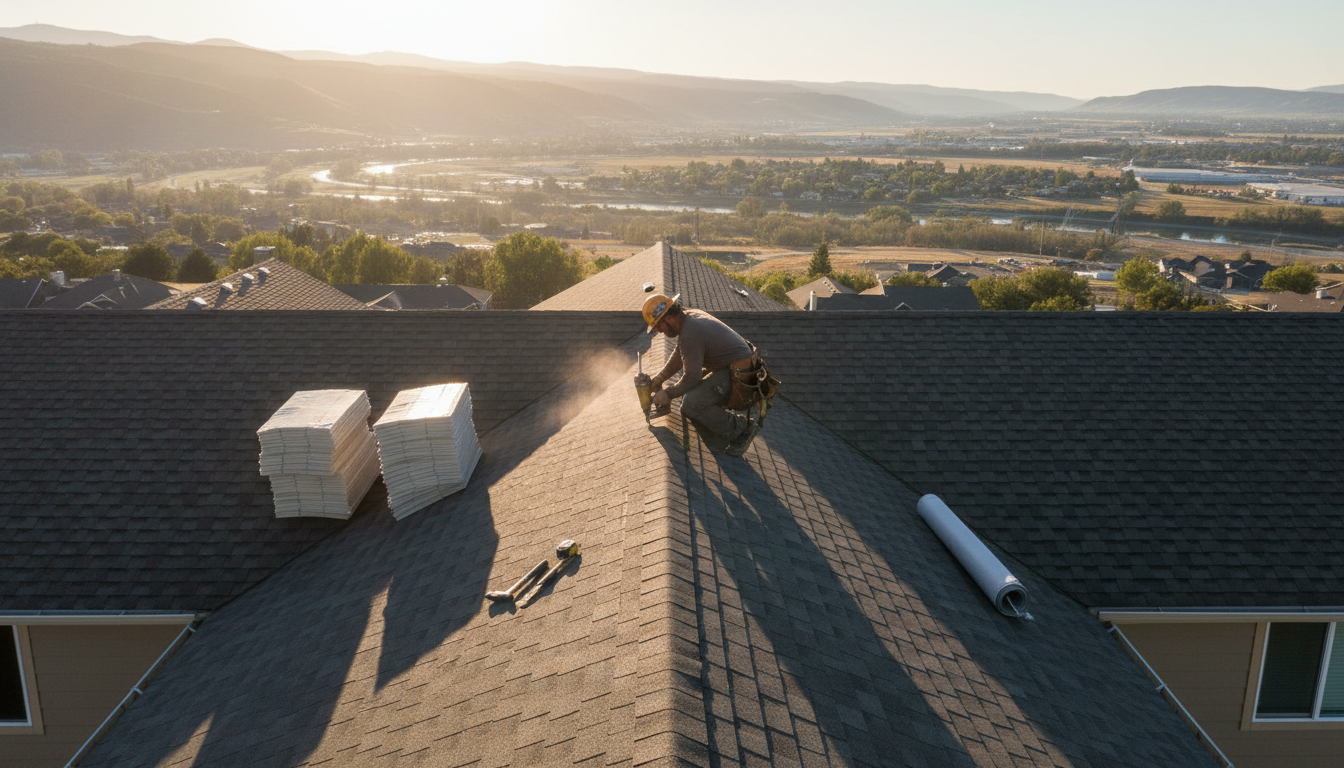
The technical benefits of impact resistant roofing shingles are only realized through precise application. Because these shingles are heavier than standard materials, a thorough inspection of the roof deck is the first priority. An experienced team must verify that the existing structure can handle the increased weight and wind load before the first nail is driven.
High performance systems require more than just a sturdy shingle. Proper nail placement is critical to ensuring the 130 mph wind ratings are met; a single misplaced fastener can compromise the entire slope during a storm. Furthermore, the use of high quality underlayment and meticulous flashing around valleys and penetrations creates a multi layered defense system. Gobes Roofing prioritizes safety and code compliant work on every project. Our team utilizes modern tools to maintain tight tolerances, ensuring that every detail, from drip edges to ridge caps, aligns with industry best practices. This commitment to detail oriented professional roofing services ensures that your investment provides the long term protection promised by the manufacturer. If you have questions about your specific roof structure, you can contact Gobes Roofing for a professional assessment.
Common Questions About Storm Proof Roofing Systems
Homeowners in Fillmore often ask if impact resistant roofing shingles are truly hail proof. It is important to clarify that no roofing material is entirely proof against every possible weather event. These shingles are impact resistant, meaning they are engineered to withstand significant force from hail up to two inches without structural failure. While extreme storms may cause minor aesthetic wear, the primary goal is to prevent water penetration and protect the home's interior.
These systems also offer enhanced safety features. Most Class 4 shingles carry a Class A fire rating, the highest level of protection against external fire spread. This provides an extra layer of security against embers during Utah's wildfire season or nearby structural fires.
Regarding installation, we recommend a full tear-off rather than installing new shingles over an existing layer. A clean deck allows for reliable roof repairs to the substrate and ensures the heavy SBS materials adhere correctly for maximum wind resistance and energy absorption. For a professional evaluation of your project, you can contact Gobes Roofing to consult with our experienced team.
Choosing impact resistant shingles can significantly enhance your home's resilience against Utah's toughest storms. While the initial investment is higher, the long-term benefits of durability and reduced maintenance often outweigh the upfront costs. If you want expert help determining if this upgrade fits your specific needs, we would be happy to guide you through the process. You can learn more about our commitment to quality craftsmanship and how we help local families. Our goal is to ensure your roof provides lasting protection for your property.