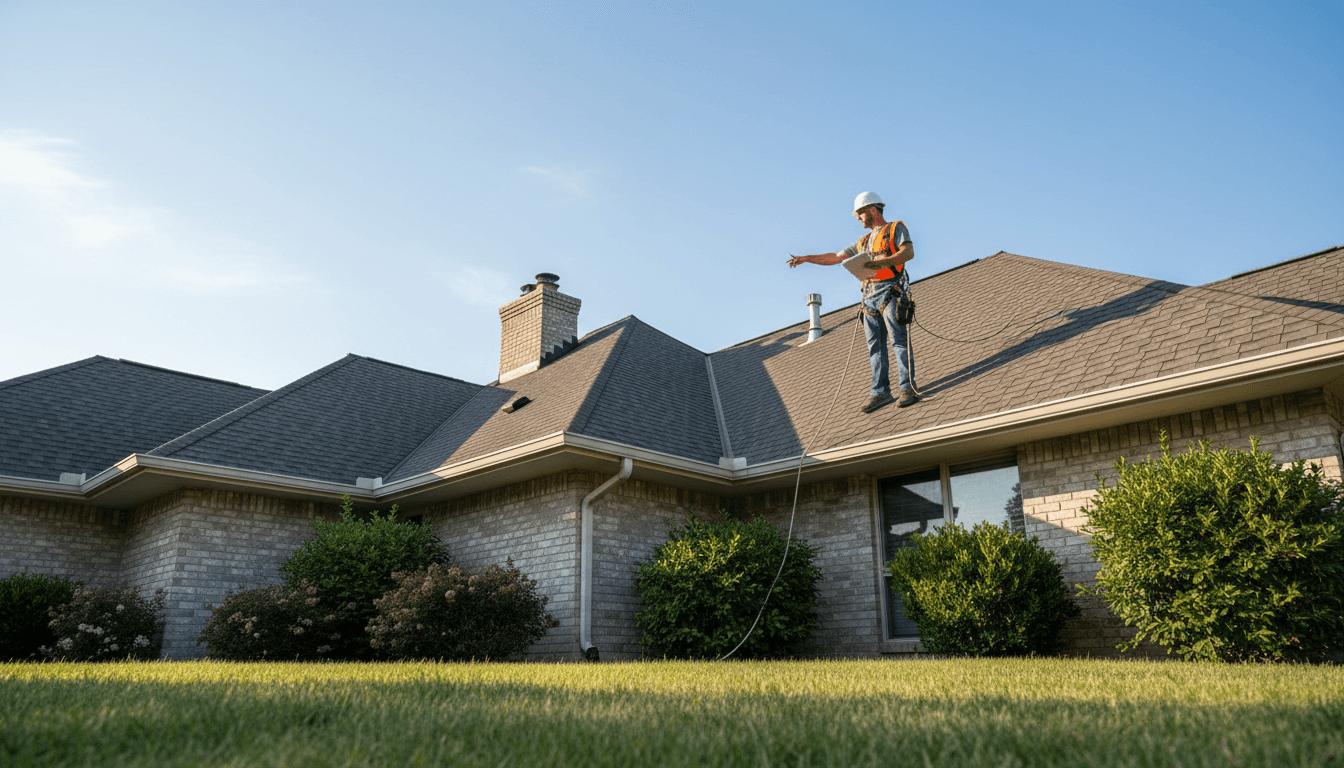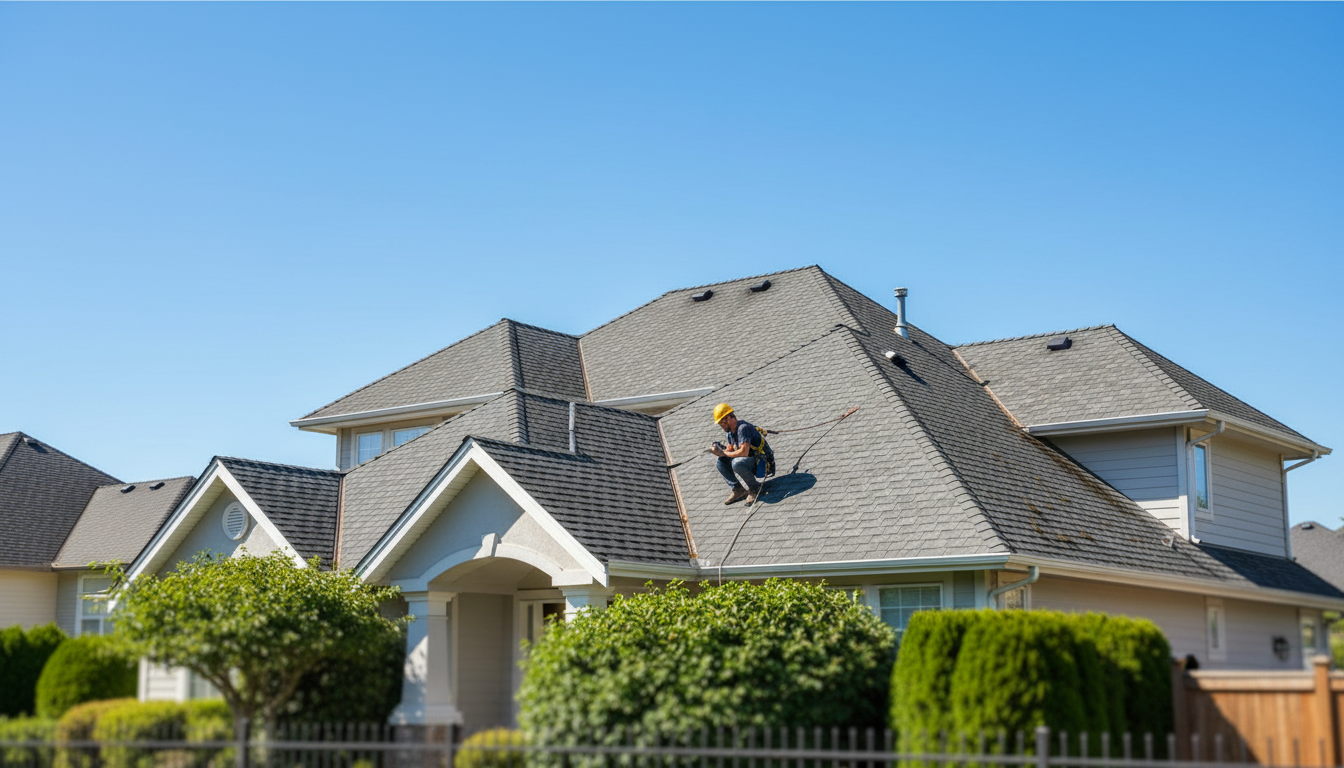
A seasonal roof maintenance checklist for Utah homeowners should include inspecting pipe boots for sun damage, clearing debris from gutters, and checking shingles for hail bruising or wind damage. Regular care like trimming overhanging trees and examining roof flashing helps prevent leaks caused by heavy snow and ice dams. These proactive steps ensure the roof remains durable against Utah's extreme weather shifts throughout the year.
Most Utah homeowners only think about their roof when a leak appears in the living room ceiling during a spring thaw. By that point, you are often looking at costly structural repairs that could have been avoided with consistent, strategic care. Our high altitude and extreme temperature fluctuations place unique stresses on shingles and underlayment; a standard national checklist simply will not suffice for local conditions. At Gobes Roofing, we believe that an informed homeowner is a protected homeowner. This comprehensive guide provides a tactical seasonal roadmap designed specifically for the Beehive State. You will learn how to audit your property after winter, mitigate UV damage during peak summer heat, and secure critical failure points like pipe boots and flashing before the snow returns. Proactive maintenance is the only way to maximize your roof’s potential lifespan.
Why Utah Homeowners Need a Specific Roof Maintenance Strategy
Utah's geography creates a punishing environment for residential and commercial structures. Unlike more temperate regions, Millard County homeowners must contend with high altitude UV exposure that rapidly dries out asphalt shingles, making them brittle. When you combine this with the extreme temperature swings common in the Great Basin, where a roof surface can experience a 40 degree shift in just a few hours, the constant expansion and contraction leads to premature shingle failure and loosened fasteners.
A standard asphalt roof might last 20 to 30 years in a mild climate; however, without a proactive roof maintenance checklist, Utah's weather can significantly shorten that lifespan. Heavy snow loads in winter put immense pressure on the roof deck, while spring runoff tests every seam and seal. Gobes Roofing operates as the local authority in Fillmore, providing professional roofing services tailored to these specific environmental stressors. We focus on durable materials and proper preparation because we know that local conditions demand more than just standard industry practices. Understanding the unique rhythm of Utah weather is the first step toward protecting your investment. For a detailed assessment of your property, you can contact Gobes Roofing to ensure your home is prepared for the coming season.
Spring: The Post Winter Recovery Audit
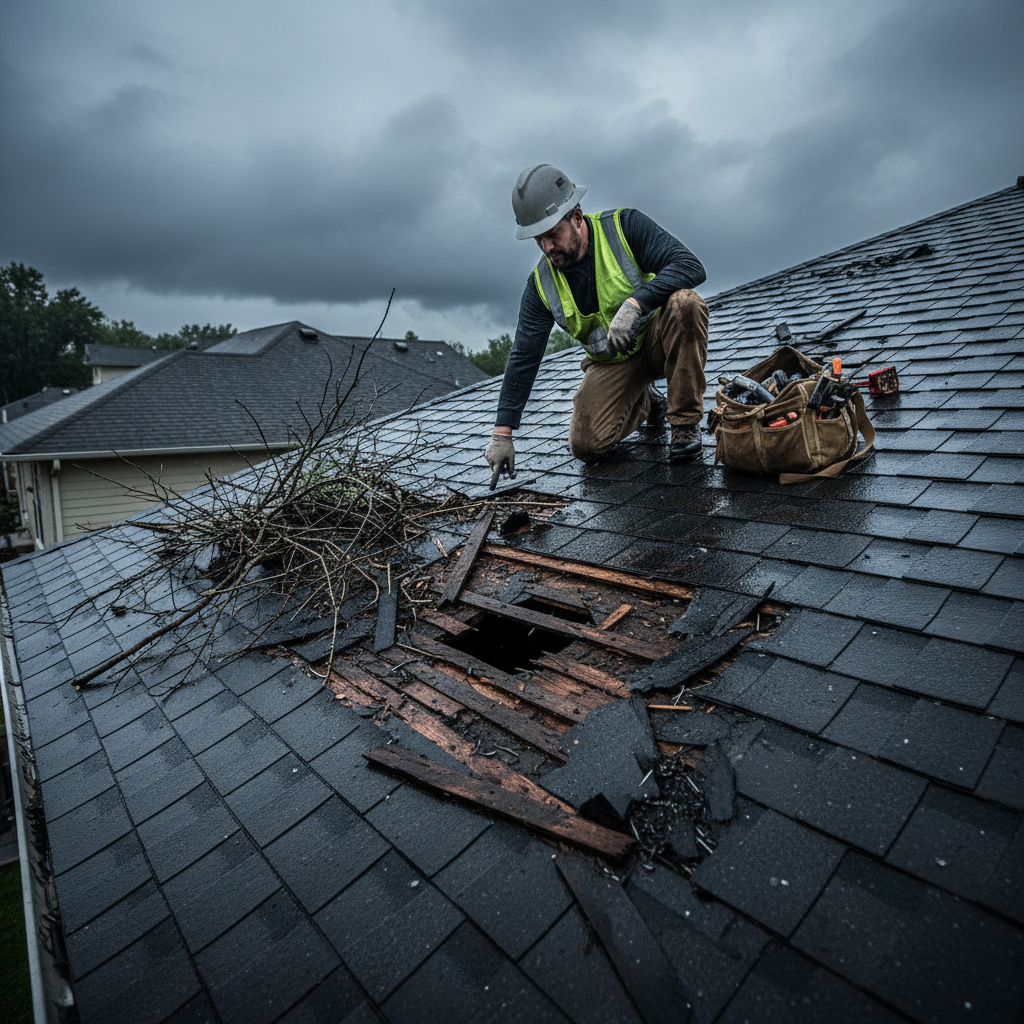
Once the snow melts off your roof in Fillmore, the first priority is a thorough recovery audit. Winter in Millard County is heavy, and the transition into spring often brings volatile weather, including hail. When inspecting your shingles, look for signs of bruising. These are small, dark circular indentations where granules have been knocked away by hail or falling ice. If left unaddressed, these spots allow UV rays to penetrate the asphalt mat, leading to rapid deterioration.
Next, look for evidence of ice dams that may have formed during the colder months. You should check the eaves for buckled or lifted shingles, which occurs when ice forces its way under the bottom edge. Inside your home, examine the ceilings for faint water stains or bubbling paint. These are clear indicators that moisture bypassed your roof's drainage system during a thaw. Even if the roof looks fine from the ground, interior spotting suggests the underlayment was compromised.
Effective spring maintenance also requires clearing your gutters. Winter storms often deposit heavy debris and shingle granules into the channels, which can lead to backups during heavy spring rain. While you are near the roofline, pay close attention to the pipe boots. These rubber collars around your plumbing vents are highly susceptible to the thaw cycle. The constant shifting between freezing and melting causes the rubber to crack, creating a direct path for water to enter your attic. If you notice any brittle sections or visible gaps, it is time to seek professional roofing services to prevent a minor leak from becoming a structural issue. For a comprehensive inspection after a rough winter, you can contact Gobes Roofing to ensure your seals are intact.
Summer: Protecting Against Utah UV and High Heat
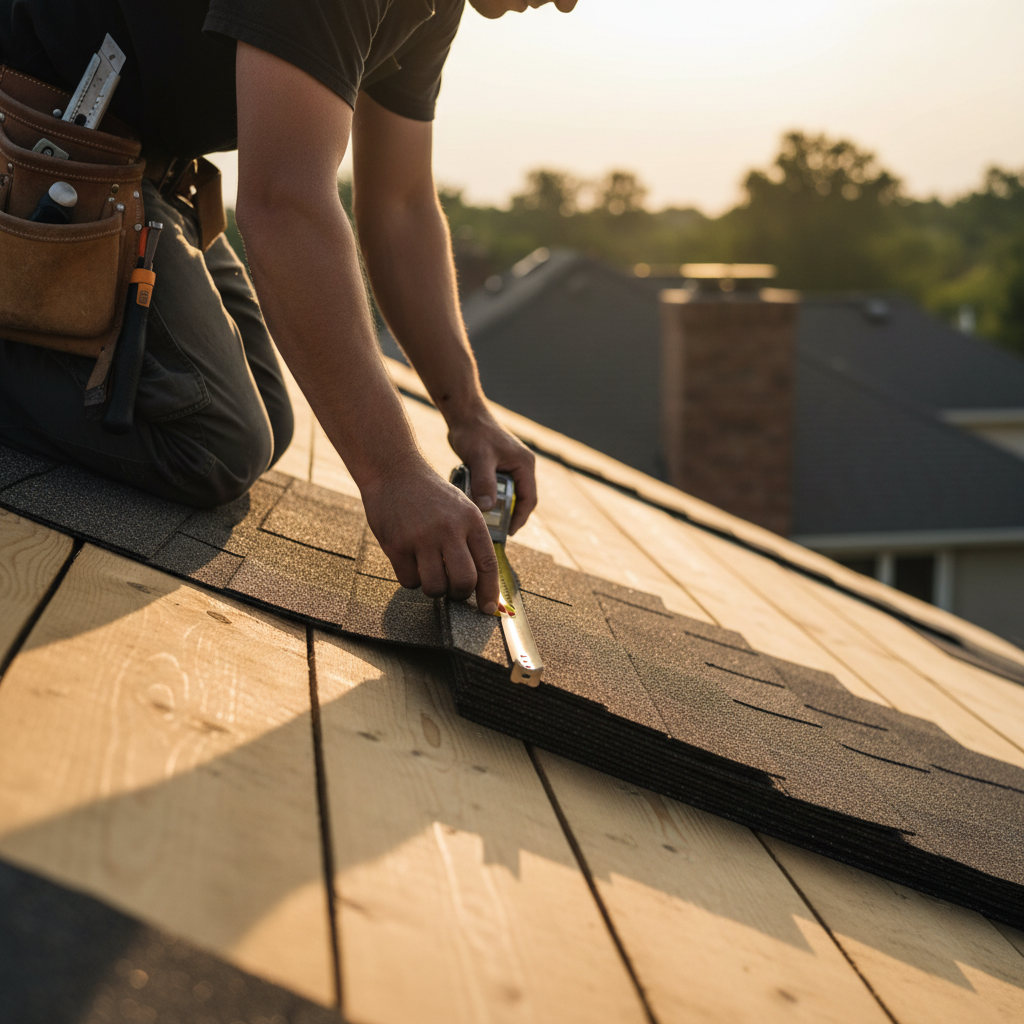
Once the volatility of spring passes, the focus shifts to the relentless intensity of the Utah summer sun. In Fillmore, our high elevation means UV rays are significantly more concentrated, which accelerates the aging process by evaporating the essential oils that keep asphalt shingles flexible. Over time, this exposure makes the material brittle and prone to surface cracking.
July is particularly brutal on the non-shingle components of your roof. While shingles are designed for longevity, the rubber sealants and specialized flashing at transition points take the brunt of thermal expansion. We often find that these sealants dry out and fail years before the shingles do, requiring targeted professional roofing services to maintain a watertight seal.
A critical item on your roof maintenance checklist is monitoring attic temperature. If your attic feels significantly hotter than the ambient outside air, your roof is effectively cooking from the inside out. Trapped heat can reach temperatures exceeding 150 degrees, causing shingles to blister and the roof deck to warp. Ensuring soffit and ridge vents are unobstructed allows the system to breathe and prevents this heat trap. If you suspect your ventilation is inadequate, you should contact Gobes Roofing for a thermal assessment to prevent permanent structural damage before the autumn winds arrive.
Fall: The Ultimate Pre Winter Protection Checklist
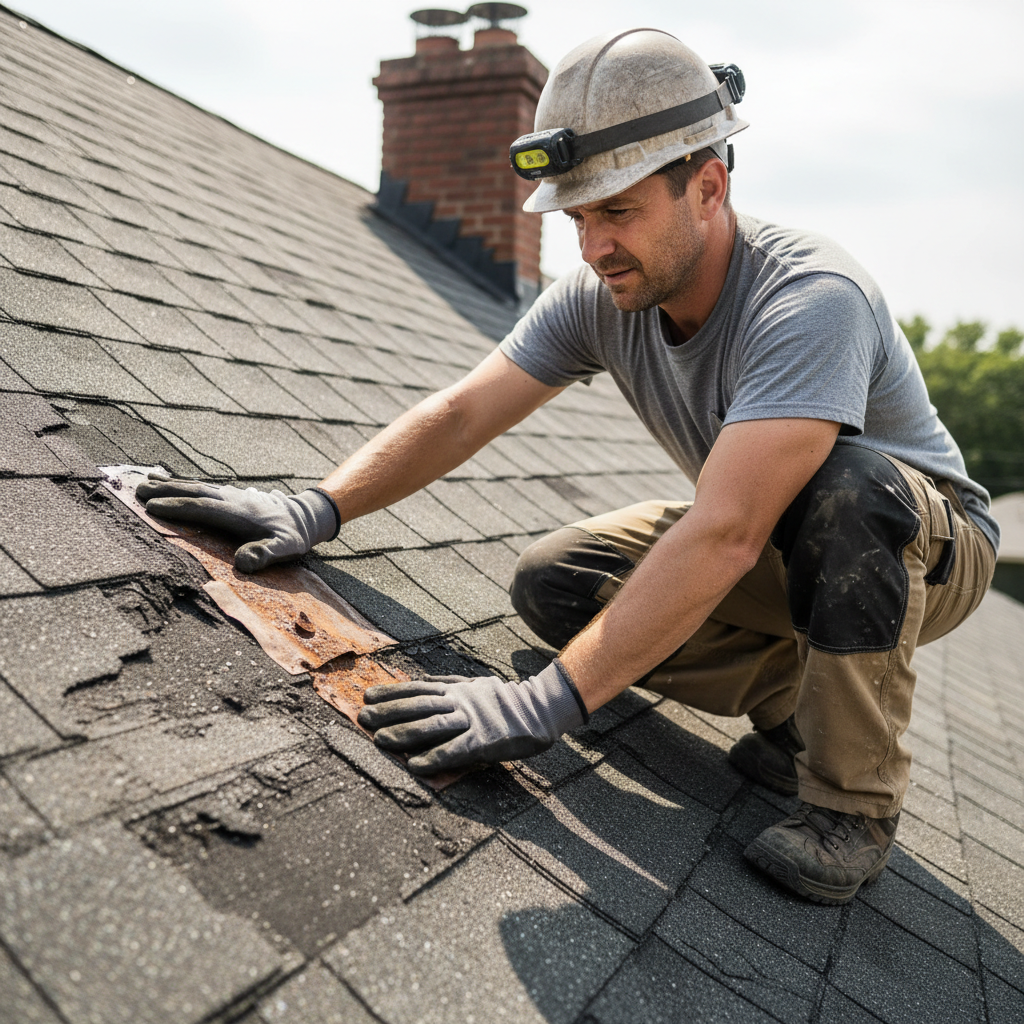
Fall marks the most critical window in your roof maintenance checklist. While summer heat dries materials out, autumn is the final opportunity to seal the home's envelope before Millard County’s heavy snow loads arrive. A small gap in October that allows a few drops of water to enter will inevitably become a major catastrophe in January, when ice dams force moisture deep into the sub-structure.
Prioritize these four tasks to secure your property: 1. Trim overhanging branches: The weight of heavy, wet snow can easily snap limbs that appeared sturdy in August. Limbs that fall onto the roof can puncture shingles or cause significant structural impact. 2. Inspect chimney flashing: Check for gaps where the metal meets the masonry. Falling temperatures cause materials to contract at different rates, often pulling sealants away and creating hidden entry points for moisture. 3. Clear all leaves from gutters and downspouts: Blocked drainage leads to standing water that freezes at the roof edge. This is a primary driver of ice damming and gutter detachment. 4. Check for loose or missing shingles: Any shingle that is not fully adhered can be caught by winter wind or bypassed by melting snow during the frequent freeze-thaw cycles common in Fillmore.
Addressing these issues now ensures your home remains resilient during the deep freeze. If you discover damaged components or are uncomfortable performing high-altitude inspections, professional roofing services provide the technical expertise needed to handle complex repairs safely. You should contact Gobes Roofing to schedule a pre-winter assessment, ensuring your roof is prepared before the first frost makes the surface too slick for safe maintenance.
Winter: Managing Snow Loads and Ice Dam Prevention
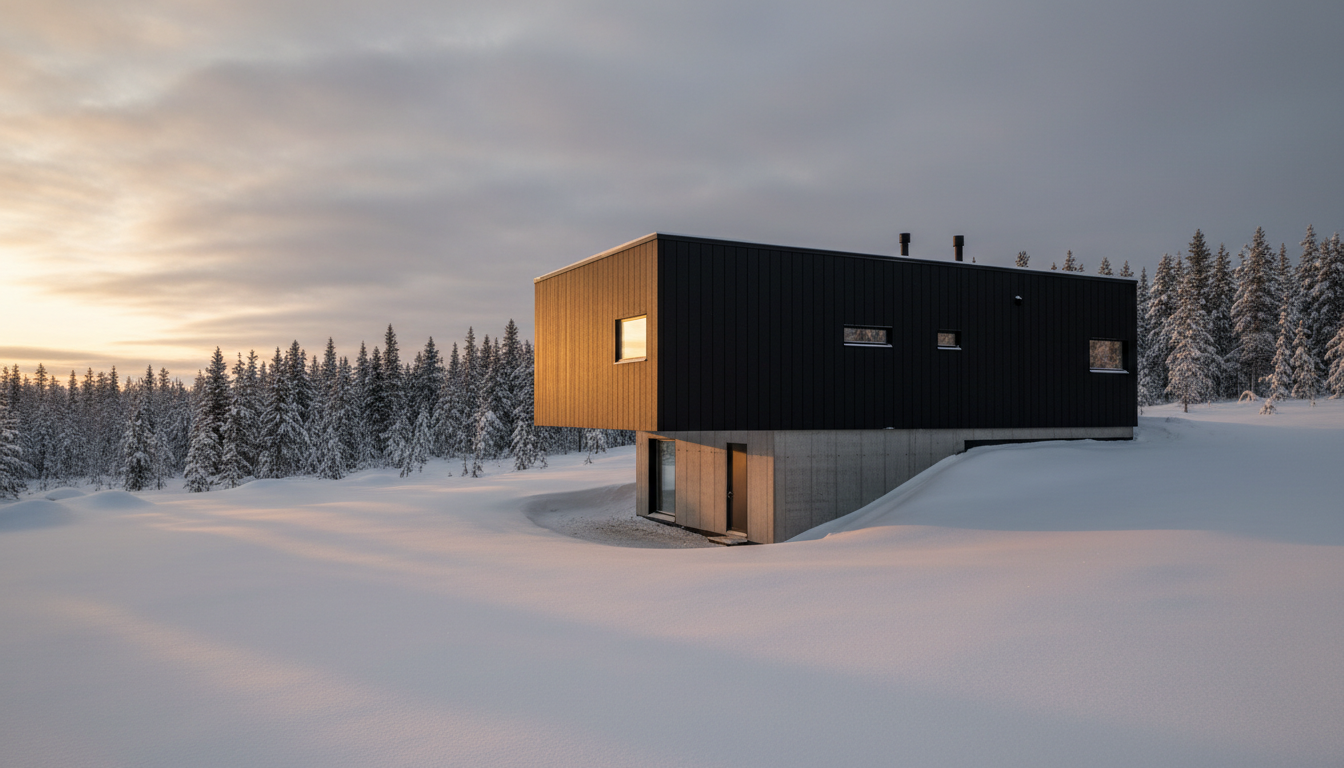
Winter in Millard County brings heavy, wet snow that puts immense pressure on your home’s structural integrity. Managing this weight is a vital part of your winter roof maintenance checklist. When snow accumulates, the primary threat is the formation of ice dams. These occur when heat leaks from your attic due to poor insulation, melting the bottom layer of snow. As that water runs down to the colder eaves, it refreezes, creating a ridge of ice that prevents further meltwater from draining. This trapped water eventually finds its way under your shingles and into your walls.
If you must remove snow to prevent collapse or damming, avoid using metal shovels or rock salt. Metal blades scrape away protective granules, while salt can corrode metal flashing and damage your siding or landscaping. Instead, use a telescoping roof rake from the ground to clear the first three feet of snow from the eaves. This relief allows the drainage system to function without you having to step onto a slippery, dangerous surface.
If an ice dam has already formed, avoid the temptation to hack at the ice with a hammer or pry bar; this almost certainly destroys the underlying shingles. Professional ice dam removal typically involves low pressure steam systems that safely melt the ice without mechanical impact. These professional roofing services are a necessary investment to prevent thousands of dollars in interior water damage. For emergencies or heavy snow removal, you should contact Gobes Roofing to ensure the work is performed safely and according to local building codes.
The Most Overlooked Task: Inspecting Roof Flashing and Pipe Boots
After managing the heavy snow of a Millard County winter, attention often shifts away from the roof until a leak appears. The most critical, yet frequently ignored, components of your system are the flashing and pipe boots. A common question homeowners ask is how often flashing needs replacement. While the metal components can technically last 50 years, the sealants used at these joints in Utah rarely survive more than 10 to 15 years. The extreme UV exposure and thermal expansion in Fillmore cause these bonds to fail, leading to lifting or corrosion.
Pipe boots are the primary culprit for what many call mystery leaks. These rubber collars around plumbing vents are the weakest link in your system; they dry out and crack years before your shingles show wear. When updating your roof maintenance checklist, prioritize inspecting these rubber seals for brittleness. Because these failures happen at the most vulnerable penetrations, seeking professional roofing services is essential for maintaining a dry interior. If you notice rusted metal or cracked rubber during your walk-around, you should contact Gobes Roofing to secure these seals before the spring rains arrive.
Understanding the 25 Rule and Roof Lifespan in Utah
The 25 rule serves as a critical benchmark for homeowners in Millard County. It typically refers to two distinct factors: a roof reaching 25 years of age or a roof pitch exceeding 25 degrees. For most homes in Fillmore, an asphalt shingle roof hitting the 20 to 25 year mark has endured enough high altitude UV exposure and thermal cycling to reach the end of its functional life. At this stage, following a standard roof maintenance checklist is often insufficient to prevent leaks. When repairs to flashing, pipe boots, and shingles become a recurring seasonal expense, the cumulative costs generally exceed the long term value of a full replacement.
A steep pitch over 25 degrees adds significant complexity to any project. These steep slopes require specialized safety equipment, staging, and insurance, which naturally increases labor costs for both repairs and inspections. While a professional roofing inspection in Utah typically ranges from 100 to 400 dollars, Gobes Roofing often provides these assessments as part of our comprehensive professional roofing services. This allows us to evaluate structural integrity and determine if your system can survive another winter or if a modern, code compliant installation is the more financially sound choice. To get a clear picture of your roof's current condition and expected remaining lifespan, you can contact Gobes Roofing for a detailed consultation.