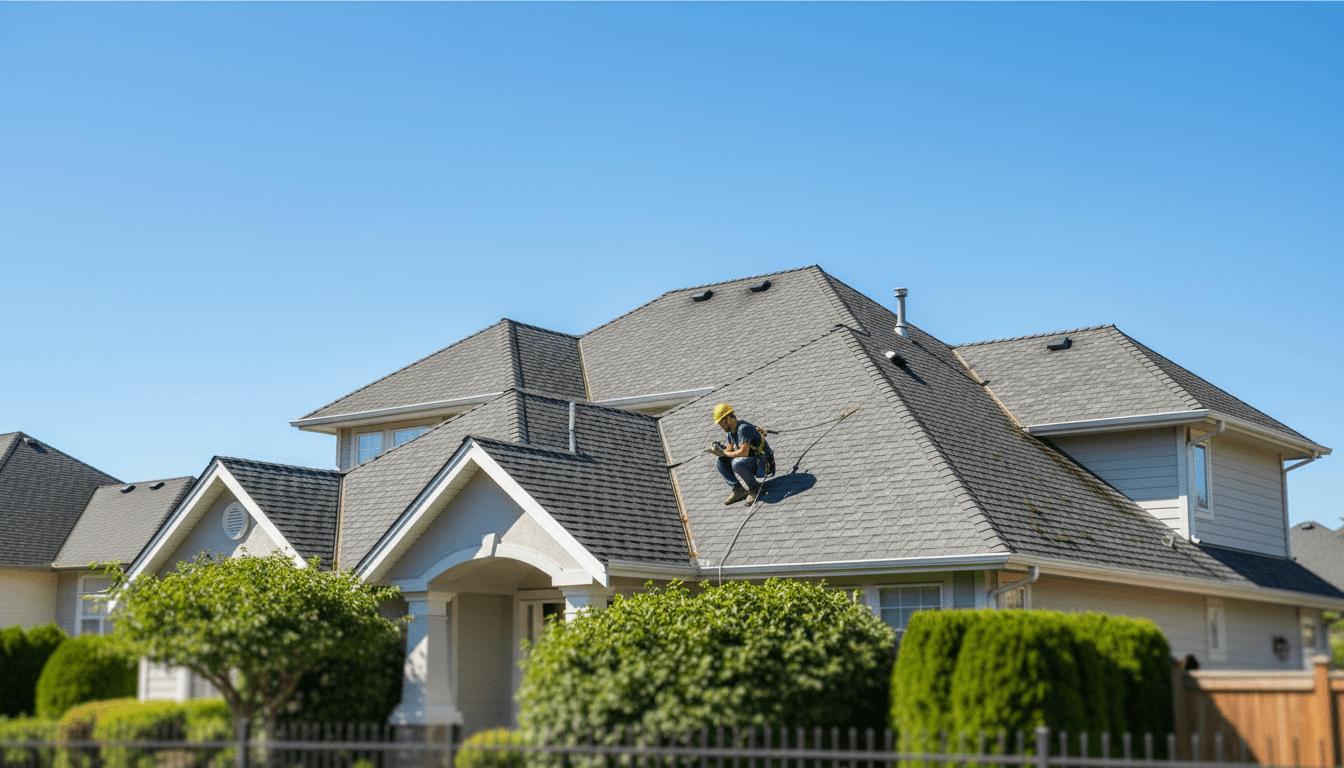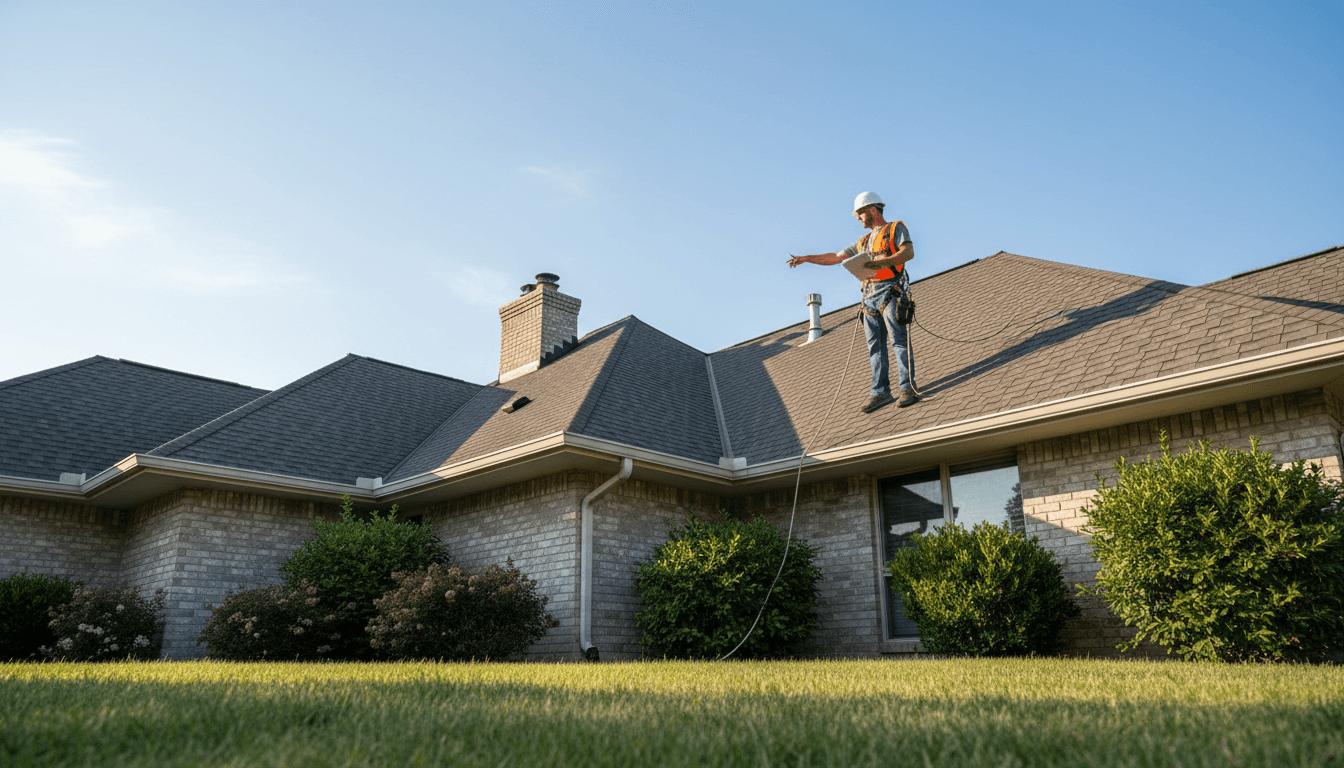
Effective roof leak detection involves inspecting the attic for water stains and tracing them uphill to common sources like chimneys, vents, or failing flashing. Homeowners should also monitor for exterior signs like curled shingles and granules in gutters to identify issues before they cause significant structural damage.
A single water spot on your ceiling is rarely just a cosmetic issue; it is a warning sign that the integrity of your Utah home is under threat. Whether you are dealing with the aftermath of a heavy mountain snowfall or a sudden summer downpour, identifying the source of moisture before it compromises your insulation or structural beams is critical. At Gobes Roofing, we understand that precision is the difference between a minor patch and a full scale replacement. In this guide, we will provide a professional framework for locating leaks from both the interior and exterior of your property. You will learn to identify common warning signs, understand why certain leaks only appear during torrential rain, and discover how to navigate insurance claims. By the time you finish reading, you will have the practical knowledge needed to protect your investment and maintain a dry, secure environment.
Common Warning Signs of a Roof Leak in Utah Homes
Early identification is the most effective way to prevent minor moisture intrusion from evolving into a structural crisis. For homeowners in Fillmore and across Central Utah, the first indicators are often subtle. You might notice faint, tea-colored stains on upstairs ceilings or a slight bubbling in the wall paint. These symptoms suggest that water has already breached the underlayment and is saturating the drywall. When inspecting from the ground, look for curled shingle edges, buckled surfaces, or a significant accumulation of ceramic granules in your rain gutters. These granules provide essential UV protection; their loss indicates the asphalt layer is reaching the end of its functional life.
In our region, the climate dictates where leaks typically manifest. While a ridge vent failure might cause drips in the center of an attic, Utah’s heavy snow cycles often lead to ice dams. As snow melts and refreezes at the cold roof edge, it creates a blockage that forces liquid water upward under the shingles. This results in leaks concentrated near the eaves and exterior walls rather than the peak of the home. Differentiating between these locations is a critical part of professional roofing services and helps narrow down the source of the intrusion.
Effective roof leak detection also involves evaluating the total scope of the damage. We generally follow the 25 percent rule: if more than 25 percent of the roof surface shows signs of significant wear, moisture damage, or missing materials, a full replacement is usually more cost-effective than multiple isolated repairs. Investing in a new system ensures long-term structural integrity rather than simply patching a failing substrate.
Step by Step Guide to Interior Roof Leak Detection
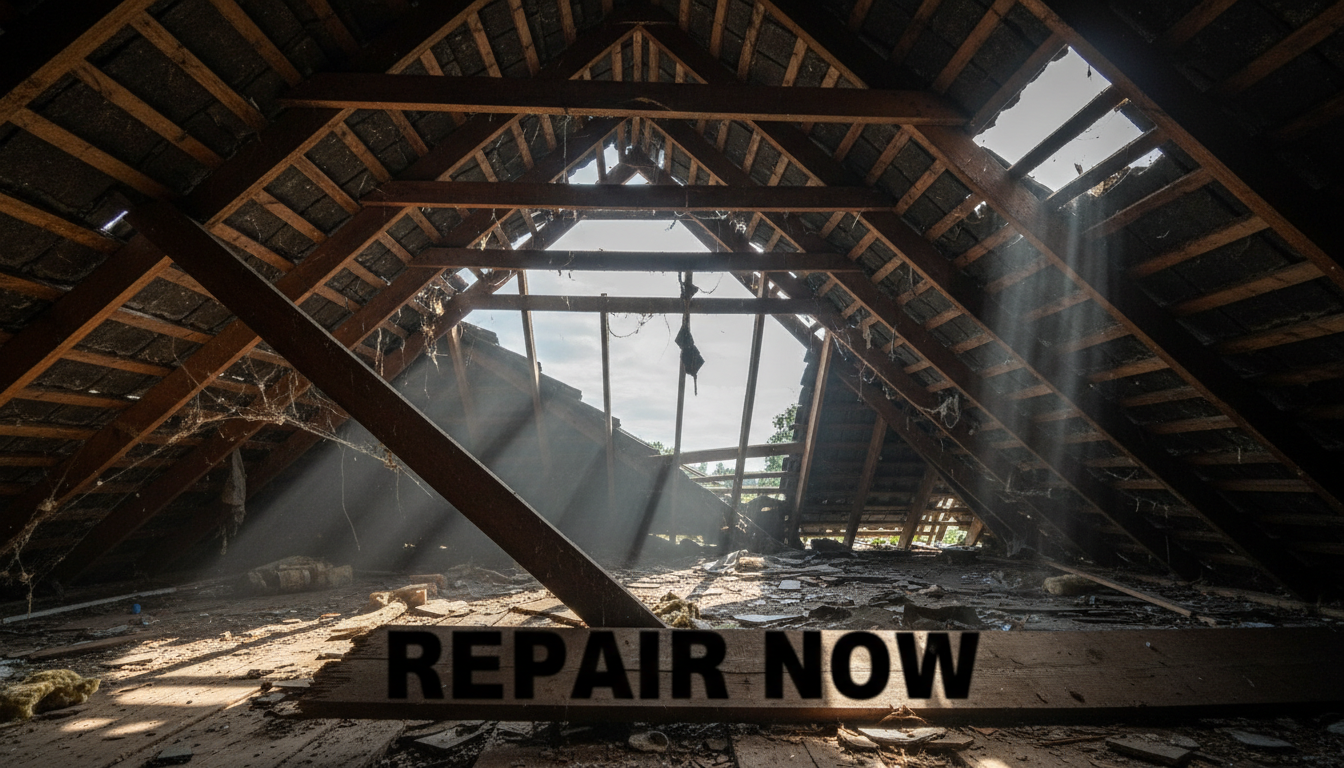
Once you have identified the symptoms on your ceiling, the next step in roof leak detection requires heading into the attic. Identifying the point of entry from the inside is often more accurate than looking at the shingles, but it requires an understanding of how water behaves. It is a common misconception that a drip on your bedroom ceiling aligns perfectly with a hole in the roof. Water follows the path of least resistance; it frequently hits a rafter and runs sideways or even appears to move uphill through capillary action before finally dripping onto the insulation or drywall.
To find the source, wait for a steady rainstorm or enter the attic immediately after one. Take a powerful flashlight and move carefully across the ceiling joists. Do not step on the insulation, as you may fall through the drywall below. Begin by scanning the underside of the roof deck for "shiners." These are nails that missed the rafter during installation and now protrude into the attic space. In the cold climate of Fillmore, moisture often condenses on these cold metal points, making them look white or frosted. If a shiner is actively dripping, it acts as a beacon for the leak above.
Next, examine the insulation for compressed areas, dark stains, or mold growth. If you find a wet spot, look directly above it to the nearest rafter and follow the moisture trail upward toward the roof peak. Most interior leaks originate at penetrations where the roof surface is broken. Pay close attention to the areas around plumbing vent pipes, furnace flues, and chimney flashing. If the wood around these penetrations is discolored or soft to the touch, the seal or flashing has likely failed. Documenting these specific entry points is essential for determining a precise roof repair cost in Utah and ensures that the eventual fix addresses the root cause rather than just the symptom.
How to Find a Roof Leak From the Outside Safely
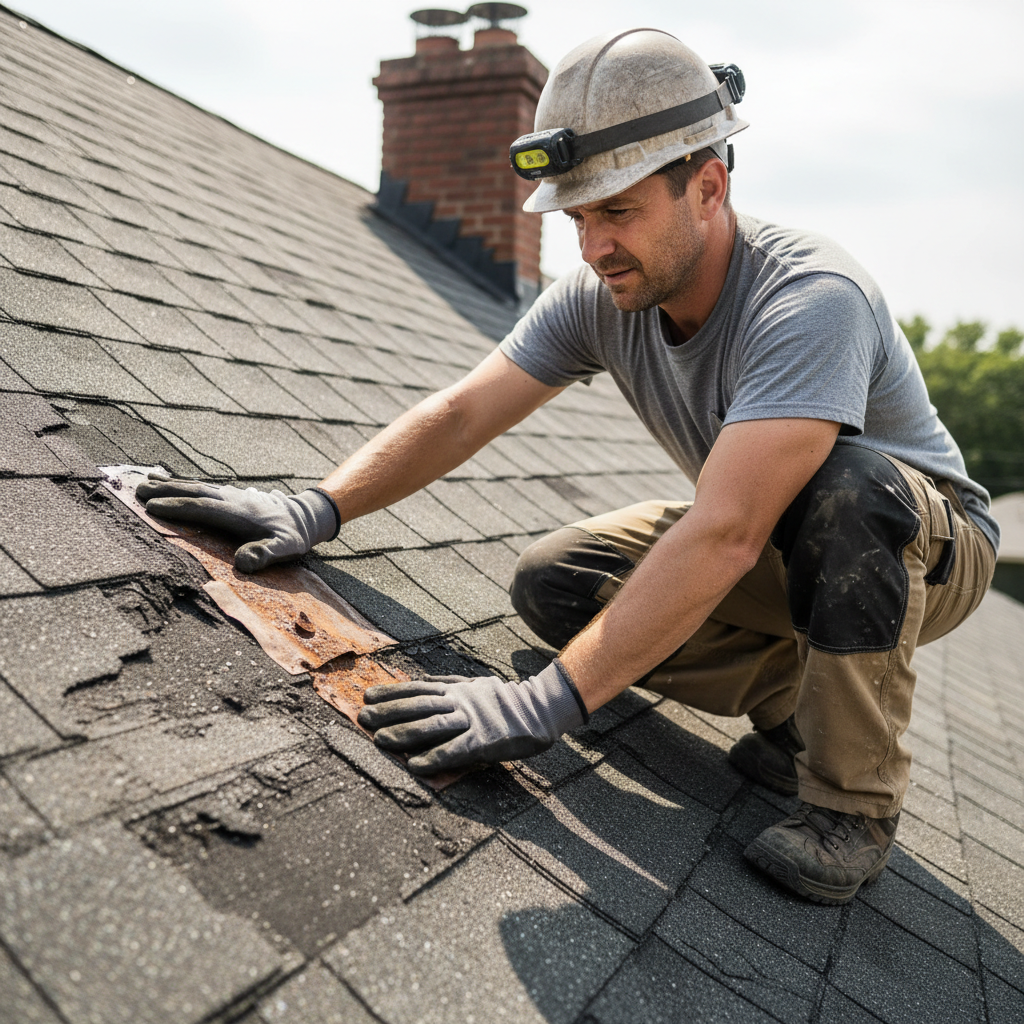
Finding a leak from the exterior requires a methodical approach, starting with safety. Utah’s steep pitches and unpredictable wind gusts make climbing a roof hazardous, especially if the surface is damp or icy. Your first step should always be a ground level inspection using a high powered pair of binoculars. This allows you to scan for abnormalities without risking a fall. Focus your attention on roof penetrations, which are the most frequent source of moisture entry.
Inspect the base of plumbing vent pipes for cracked or dry rotted rubber boots. The high UV exposure in Central Utah often causes these neoprene seals to split, allowing water to run down the pipe directly into your attic. Examine the flashing around chimneys and attic vents for rust, gaps, or missing beads of caulking. Even a hairline fracture in a sealant joint can pull in significant amounts of water during a snowmelt cycle. These areas are prone to thermal expansion and contraction, which eventually compromises the initial seal.
For properties with metal roofing, roof leak detection involves checking the integrity of mechanical fasteners and seams. Look for screws that have backed out or have degraded neoprene washers, as these create direct conduits for water. Check the ridge caps and transitions for failed butyl sealant tape or closures that may have shifted over time. If you identify missing fasteners or deteriorated seals from the ground, it is time to contact Gobes Roofing for a professional assessment. A specialized technician can safely access these areas to perform repairs that maintain the roof's structural integrity and weather resistance.
Why Does My Roof Only Leak During Heavy Rain?
When a ceiling drip only manifests during torrential downpours, the issue is typically related to water volume or wind velocity rather than a constant structural breach. One of the most common culprits in Fillmore is a clogged gutter system. If leaves or sediment obstruct the flow to the downspouts, water pools and backs up under the first few courses of shingles. This creates a reservoir that forces liquid past the underlayment and into the fascia or soffit, leading to interior damage that only appears when the gutters overflow.
Wind-driven rain adds another layer of complexity to roof leak detection. During Central Utah’s intense summer thunderstorms, horizontal gusts can push rain directly into soffit vents or under shingle tabs that are not fully sealed. While these areas remain dry during vertical snowfall or light spring showers, the high velocity of a storm forces water into gaps that otherwise seem weather-tight. These drainage systems may work perfectly fine during a standard snowmelt cycle but become overwhelmed when heavy rain falls in a matter of minutes. Identifying these situational leaks requires looking for water trails that originate near the building’s perimeter or around ventilation points, as these often indicate that the roof’s drainage capacity has been exceeded by the storm's intensity.
Professional Roof Leak Detection for Commercial Properties
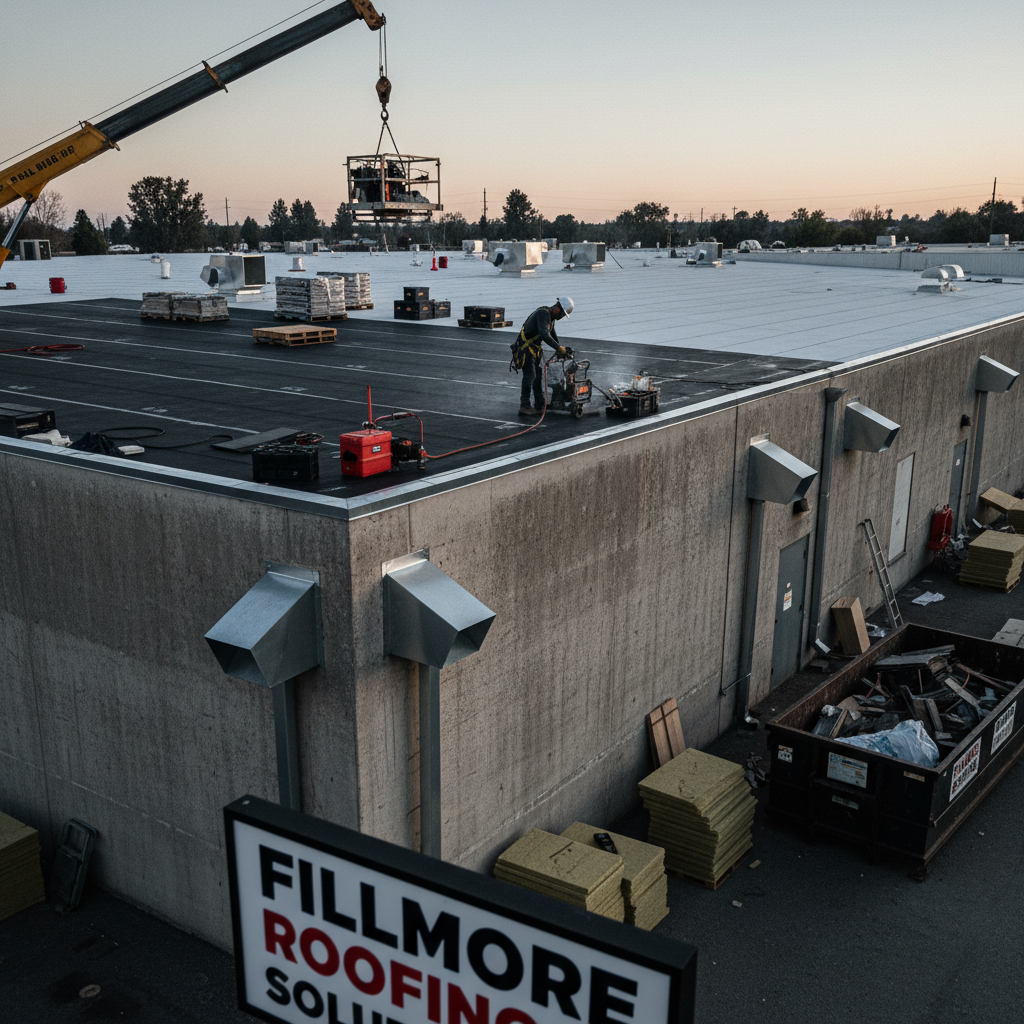
Commercial roof systems in Fillmore require a more technical approach to roof leak detection than residential shingles. Large flat or low slope buildings often use TPO, EPDM, or modified bitumen membranes where water can travel hundreds of feet between layers before appearing inside. Professional teams utilize infrared thermography to identify these hidden reservoirs. Since wet insulation retains heat longer than dry materials, thermal imaging cameras reveal moisture "hot spots" at dusk. This allows us to pinpoint liquid trapped beneath the surface that a visual walk-over would never catch.
For non-conductive membranes, electronic leak detection (ELD) provides even greater precision. By applying a low voltage current to the roof surface, technicians can track the flow of electricity through any breach in the membrane to the grounded deck below. This method identifies pinhole punctures that are invisible to the naked eye, even upon close physical inspection. These advanced diagnostics are standard components of our professional roofing services. Rather than guessing where a leak originates, these tools allow for targeted repairs that preserve the structural integrity of the entire facility. If your commercial property shows signs of membrane failure or recurring interior dampness, you should contact Gobes Roofing for a comprehensive diagnostic evaluation using these modern forensic methods.
Are Roof Leaks Covered by Homeowners Insurance in Utah?
Determining if your insurance provider will cover a roof leak depends largely on the origin of the damage. Most policies in Utah differentiate between sudden, accidental occurrences and long term maintenance issues. If a severe windstorm in Fillmore peels back shingles or a heavy snow load causes a structural puncture, the resulting repairs are typically covered. However, if roof leak detection reveals that the intrusion is caused by shingles that have simply reached the end of their twenty year lifespan or seals that have cracked due to age, the claim will likely be denied under the wear and tear exclusion.
Before you contact your insurance agent, document all visible evidence including water stains on ceilings and damaged exterior materials. Taking clear photos of the affected area immediately helps establish a timeline of the damage. It is often beneficial to consult with an experienced contractor for professional roofing services before filing a formal claim. A technician can provide a detailed assessment of whether the damage was caused by a specific weather event or gradual deterioration. Having this professional report can help you avoid filing a claim that might be denied, which can impact your premiums without providing a payout. If you are unsure about the source of a drip, you should contact Gobes Roofing to evaluate the situation and provide a documented repair plan.
Emergency Steps to Take When You Find a Leak
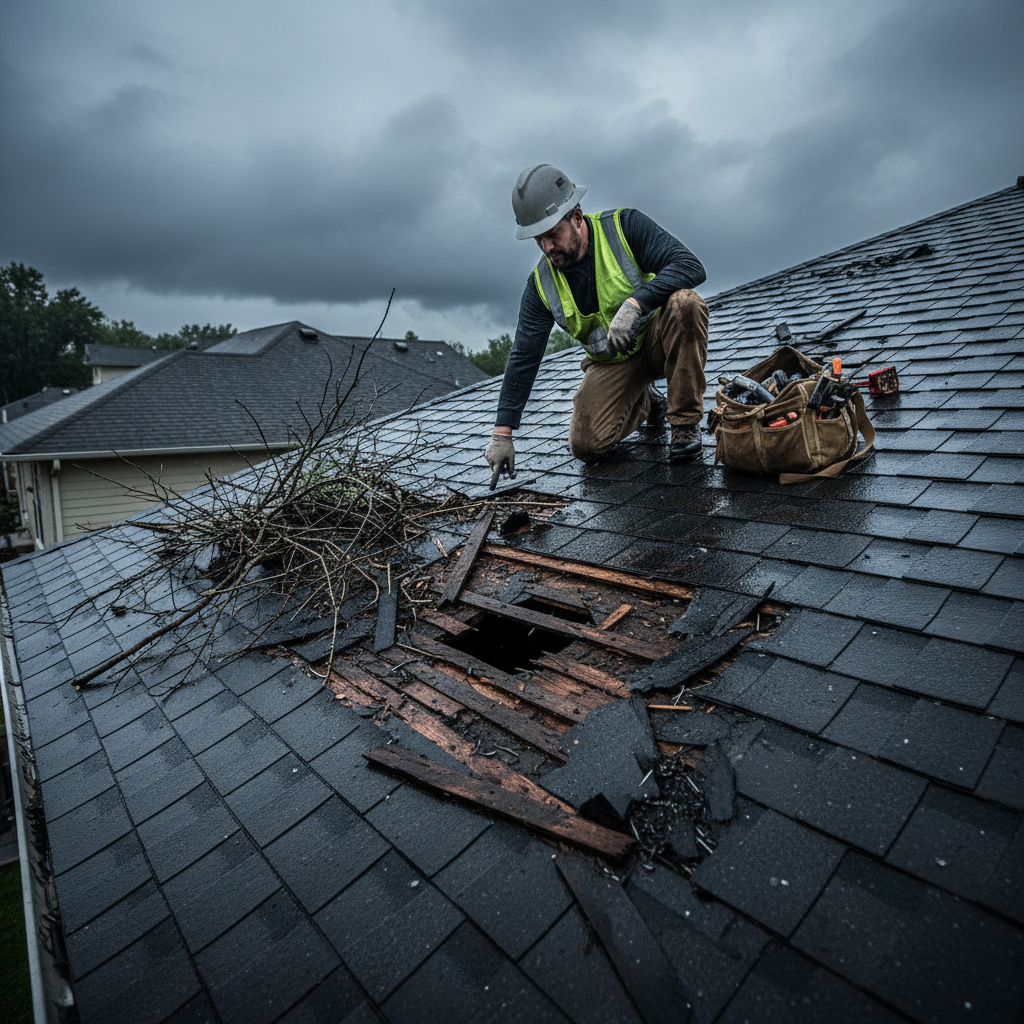
Immediate action minimizes secondary damage to your home’s interior and structure. Begin by moving furniture and electronics away from the drip zone. Place a bucket under the leak; if the ceiling drywall is bulging, carefully poke a small hole in the center to drain the water, which prevents a larger section of the ceiling from collapsing. If conditions are safe, a heavy duty tarp can provide temporary protection until a crew arrives.
Avoid relying on hardware store roof leak sealer sprays or caulks as permanent fixes. These products are emergency measures that often mask deep structural decay or trapped moisture. For a durable solution, you should contact Gobes Roofing to ensure the repair addresses the root cause and restores long term weather resistance.
Finding a roof leak early can save you thousands in repairs and prevent structural damage to your Utah home. While basic inspections are helpful, some issues remain hidden beneath the shingles. If you want expert help identifying potential trouble spots, our experienced crew is ready to assist. You can learn more about our team and how we protect local properties. Taking proactive steps today ensures your roof remains reliable and secure for years to come.