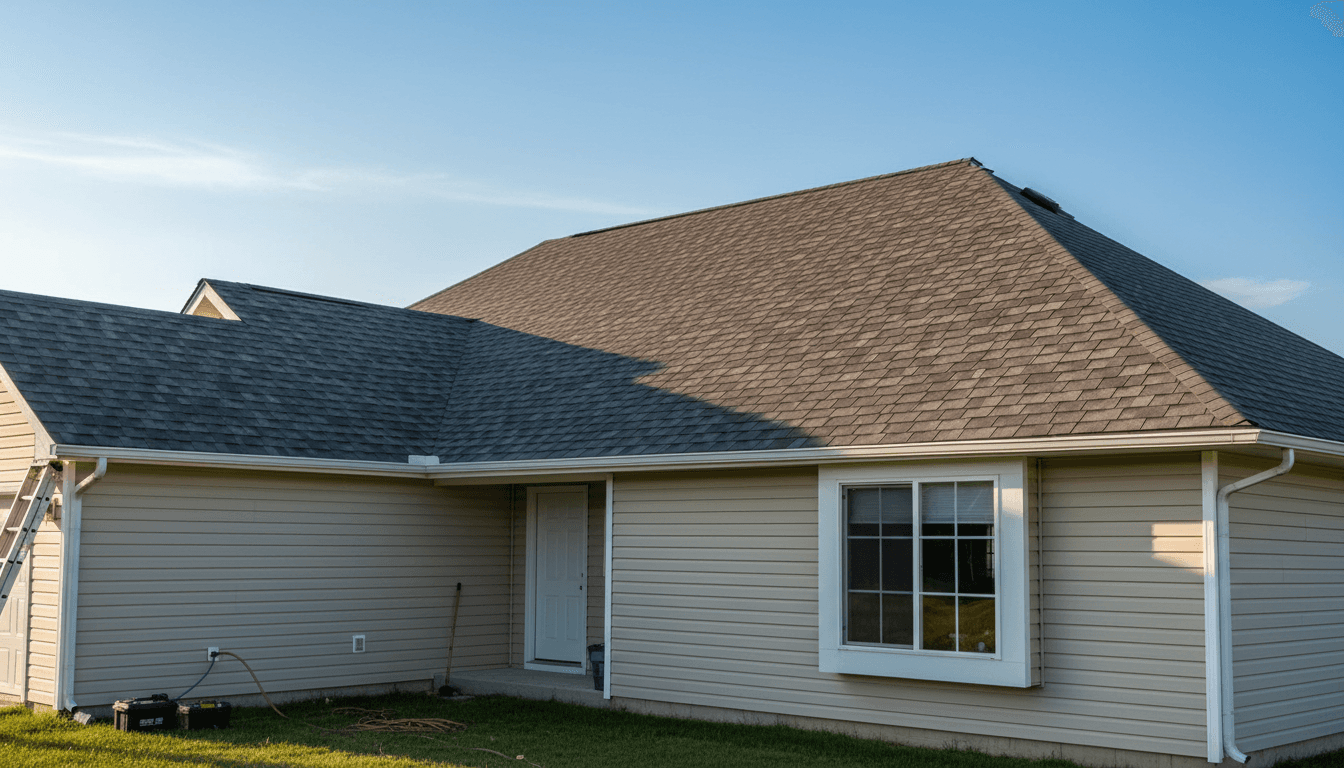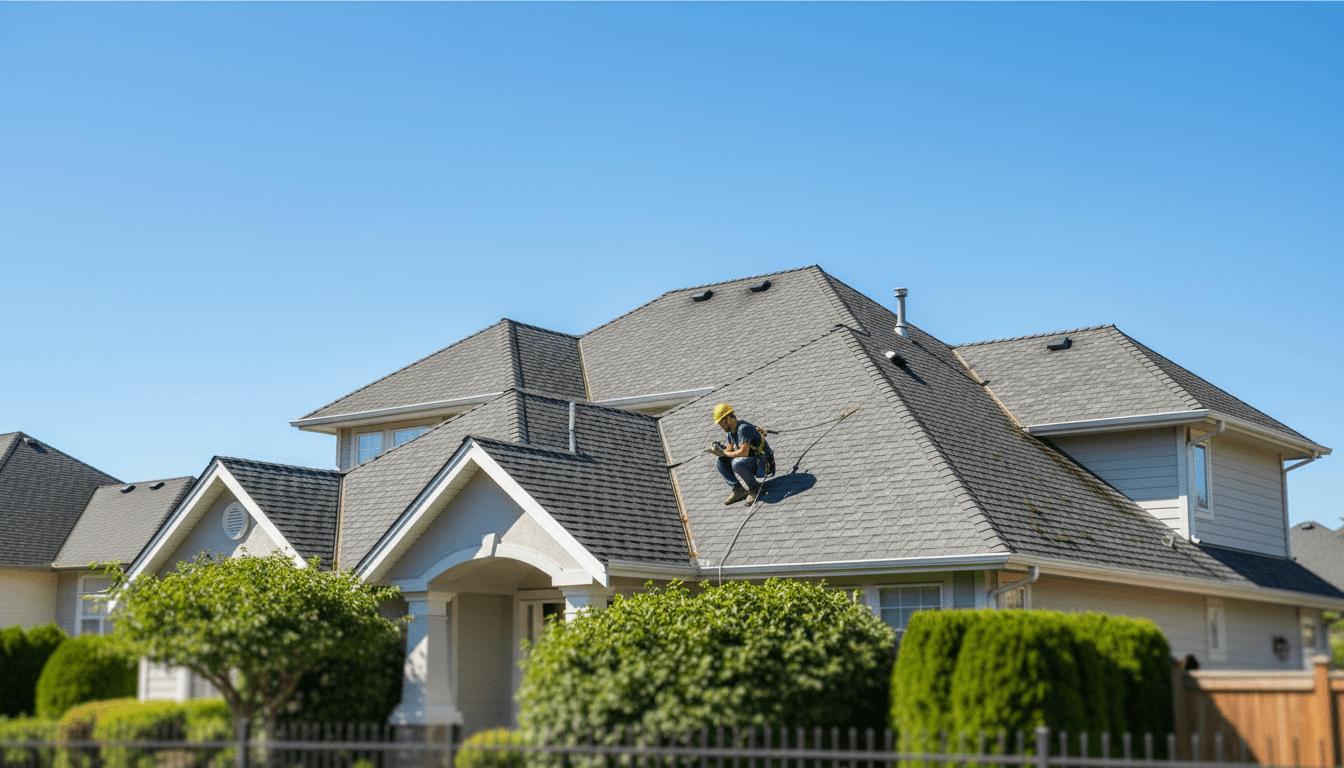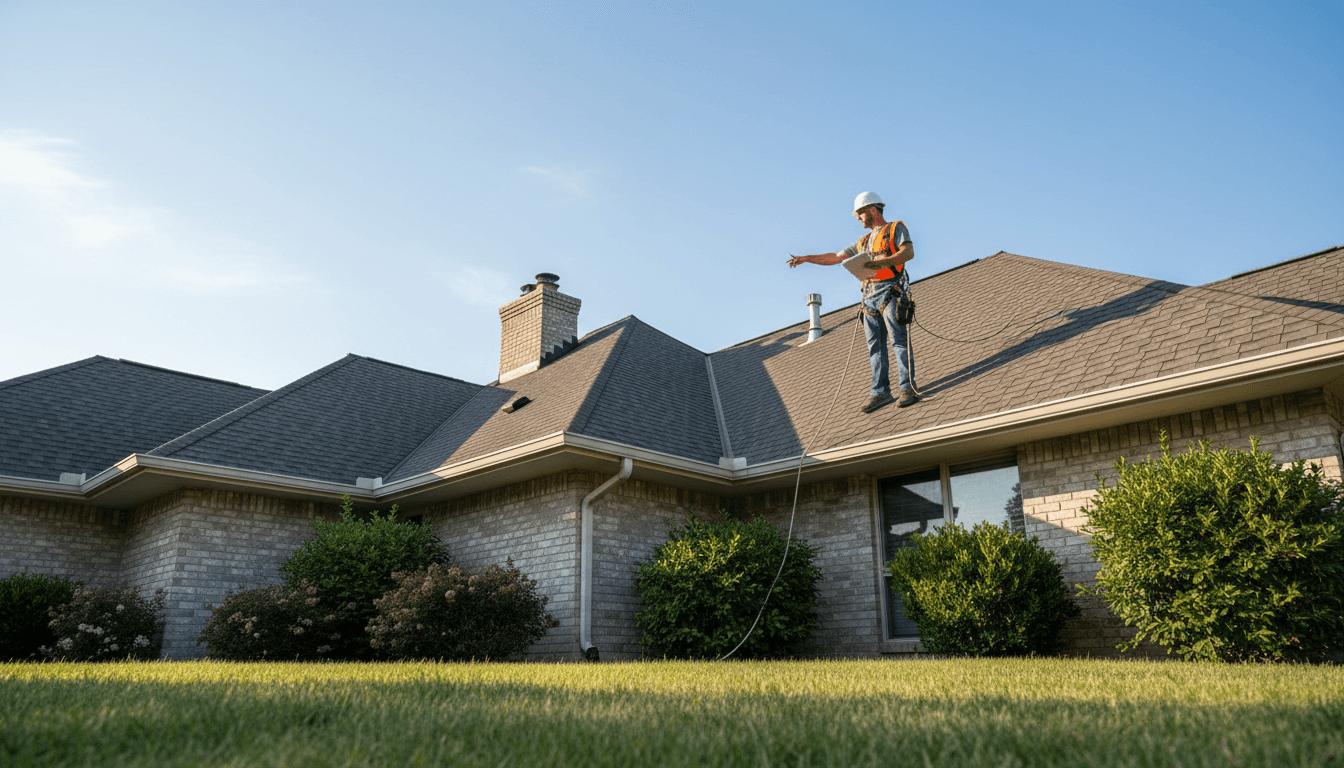
Homeowners can lower cooling costs in Fillmore, Utah, by installing energy-efficient roofing materials like metal or architectural shingles that offer high solar reflectivity. These advanced systems prevent heat from entering the home, which significantly reduces the demand on air conditioning units during hot summer months. Choosing durable, reflective products ensures a cooler indoor climate while increasing the overall sustainability of the property.
In Fillmore, the high desert sun often turns local attics into ovens, forcing air conditioning units to work overtime and driving utility bills to uncomfortable heights. Your roof should do more than simply keep out the rain; it should actively manage heat to maintain a balanced indoor climate. By understanding the science of thermal performance, homeowners can transform an overhead liability into a powerful asset for energy conservation. This guide provides a comprehensive look at the specific technologies and materials designed for the Utah climate, including an explanation of Solar Reflectance Index ratings and the financial benefits of reflective surfaces. We will also explore how strategic color choices and advanced ventilation systems contribute to a superior return on investment. By the end of this article, you will have the expert knowledge required to choose a roofing system that protects your home while significantly lowering your monthly cooling expenses.
The Science of Cool Roofs: Reflectance and Emittance Explained
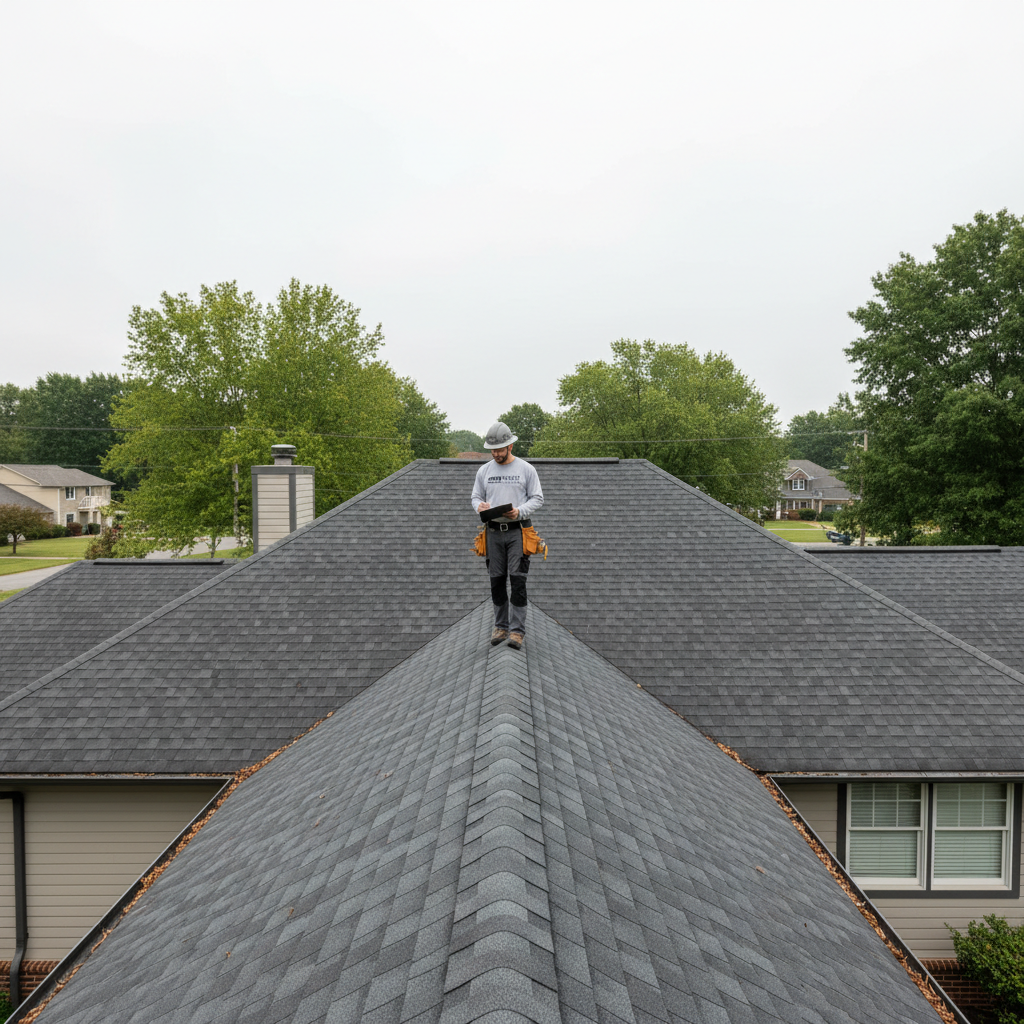
Energy efficient roofing relies on a combination of physics and material science to manage how much solar energy enters your home. In a high-desert environment like Fillmore, the sun provides an intense thermal load that most traditional roofs simply absorb. This process is governed by two primary physical properties: solar reflectance and thermal emittance.
Solar reflectance, often called albedo, is a material's ability to reflect sunlight. A high reflectance means the roof bounces a large portion of the sun’s energy back into the atmosphere instead of letting it penetrate the structure. Thermal emittance, on the other hand, measures how efficiently a roof sheds any heat it has already absorbed. High emittance is crucial because it prevents the roofing material from holding onto heat long after the sun goes down. By maximizing both factors, a roof stays cooler and lasts longer by avoiding the thermal expansion and contraction that degrades lesser materials.
Standard dark asphalt shingles typically act as a heat sink. They absorb the vast majority of solar radiation, which can raise surface temperatures to 150 degrees or higher on a typical summer day in Millard County. In contrast, a cool roof uses specialized granules or reflective coatings to redirect that energy. Research indicates that a reflective roof can stay more than 50 degrees cooler than a traditional dark roof during peak sunlight hours. This massive temperature difference prevents heat from radiating into the attic and living spaces, directly reducing the cooling load. When providing reliable roofing services, we focus on these mechanics to ensure the structural integrity of the home remains compromised by excessive heat gain.
Understanding the SRI Index and What It Means for Your Utility Bill
The Solar Reflectance Index (SRI) provides a single value that incorporates both the reflectance and emittance discussed previously. This scale typically ranges from 0 to 100, where a value of 0 represents a standard black surface and 100 represents a standard white surface. In some cases, advanced materials can even exceed a score of 100. For homeowners in Fillmore, a higher SRI number indicates a roof that will remain cooler during peak daylight hours.
When evaluating materials for energy-efficient roofing, always check the product labels for Cool Roof Rating Council (CRRC) data or Energy Star certifications. These ratings offer verified metrics that help you compare the performance of different shingles or metal panels. In the high-desert climate of Millard County, aiming for the highest possible SRI is essential for combating solar gain.
A high SRI score directly impacts your utility bill by reducing the amount of heat that enters the home through the attic. When the roof surface stays cool, your cooling system does not have to work as hard to maintain comfortable indoor temperatures. If you have questions about specific product ratings or need advice on exterior repairs and upgrades, you can contact our experienced team to review the technical specifications of your preferred materials.
Top Energy Efficient Roofing Materials for the Utah Climate
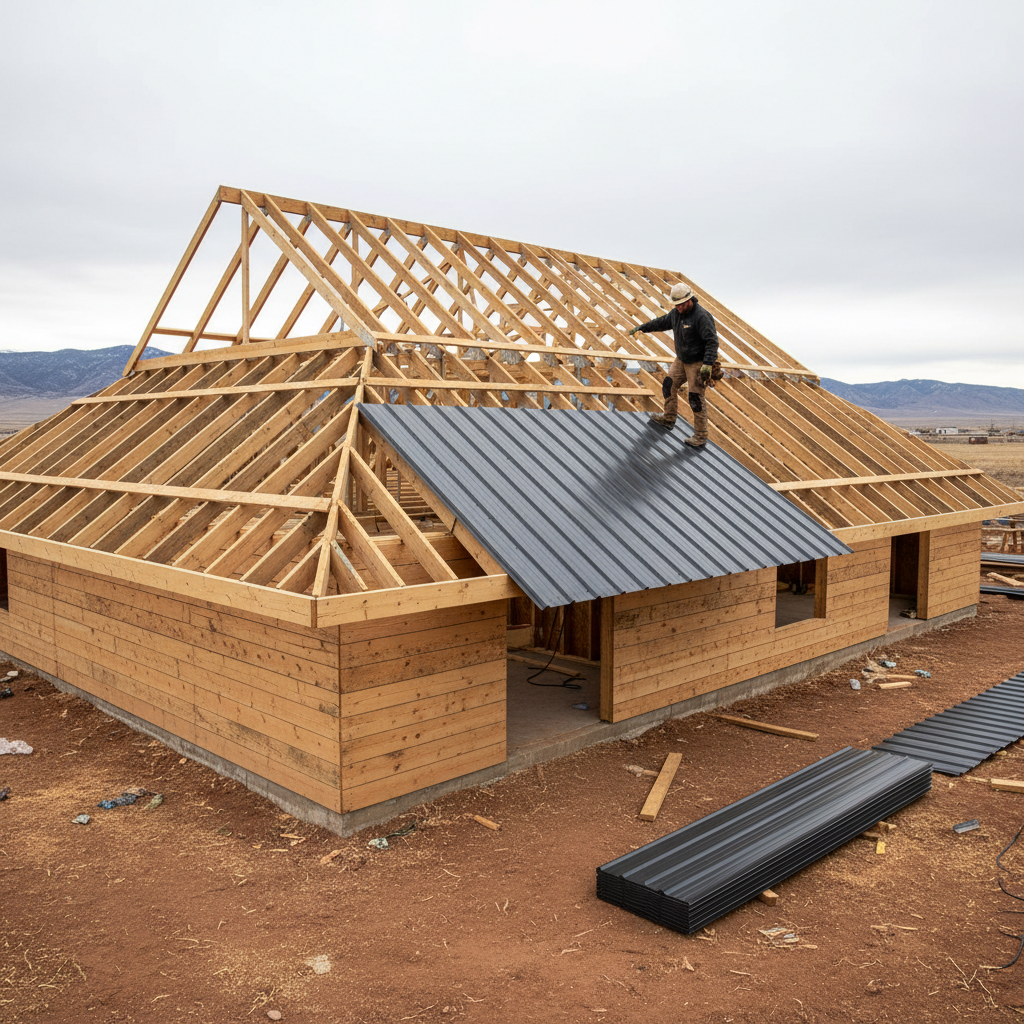
Selecting the right material involves balancing aesthetic preferences with the functional demands of the Millard County climate. Modern manufacturing has introduced several advanced options that make achieving a high SRI much easier than it was a decade ago. Each material interacts with solar energy differently, meaning your choice should be based on your home's orientation and exposure to the sun.
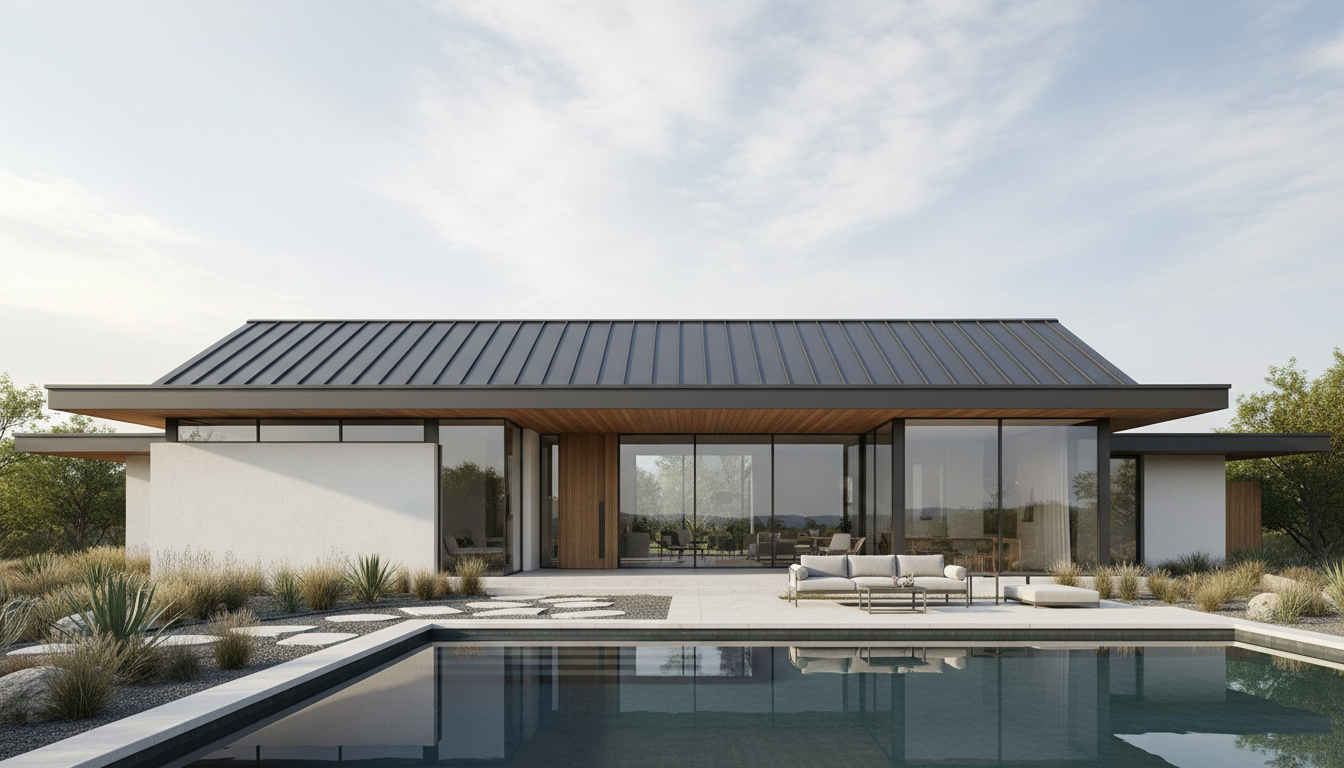
Standing seam metal roofing is a top-tier choice for 2026 trends, primarily because of its naturally high solar reflectivity. These systems use interlocking panels that minimize gaps, and when finished with high-performance cool-roof coatings, they can reflect the vast majority of solar radiation. Because metal is also highly durable against the heavy snow loads seen in central Utah, it represents a long-term investment in both energy performance and structural protection.
For homeowners who prefer a traditional aesthetic, "cool" asphalt shingles are a practical alternative. These are not standard shingles; they incorporate specially coated granules designed to reflect infrared radiation. This technology allows for darker colors that still maintain a lower surface temperature than conventional asphalt products.
Material Type | Primary Energy Benefit | Utah Climate Suitability |
|---|---|---|
Standing Seam Metal | High solar reflectance and quick heat shedding | Excellent for high-sun exposure and heavy snow |
Cool Asphalt Shingles | Reflective granules reduce heat absorption | Versatile for residential exterior repairs and upgrades |
Clay and Concrete Tiles | High thermal mass slows heat transfer | Ideal for desert climates with high daytime temperatures |
Synthetic/Composite | UV-resistant materials and high durability | Strong performance in variable wind and sun |
Clay and concrete tiles offer a different type of efficiency through thermal mass. In a desert climate like Fillmore, these heavy materials absorb heat slowly throughout the day and release it gradually at night, which can help stabilize indoor temperatures. Additionally, synthetic or composite roofing is a growing trend for 2026. These materials are engineered from recycled polymers and rubber to mimic slate or wood shakes while providing superior UV resistance and reflectance in a lightweight format.
For long-term durability in Utah’s specific weather patterns, our team at Gobes Roofing often recommends standing seam metal or premium cool-granule asphalt shingles. These materials provide the best balance of impact resistance, snow shedding capabilities, and heat reflection. If you are unsure which material fits your structure's load-bearing capacity, you can contact our experienced team to evaluate your property and provide reliable roofing services tailored to your specific needs.
How Much Can You Actually Save? The ROI of Reflective Roofing
Investing in energy-efficient roofing provides measurable financial returns that go beyond the initial installation price. On average, homeowners can expect to reduce their cooling energy consumption by 10 to 15 percent. In high-desert regions like Millard County, where summer temperatures frequently soar, these savings can reach as high as 30 percent during peak months. This reduction translates directly into lower monthly utility bills, helping the upgrade pay for itself over its service life.
The return on investment is not limited to the electricity bill. When a roof reflects solar heat, the attic temperature drops; this means the HVAC system does not have to cycle as frequently or run as long to maintain a set temperature. This reduced workload significantly extends the lifespan of your air conditioning unit and lowers the frequency of mechanical repairs. If you are planning exterior repairs and upgrades, considering the long term health of your mechanical systems is a vital part of the value proposition.
ROI Factor | Economic Impact |
|---|---|
Cooling Consumption | 10% to 30% reduction in energy usage |
HVAC Longevity | Extended compressor life and fewer repair calls |
Tax Incentives | Potential credits for Energy Star certified materials |
Property Value | Higher resale appeal for energy-conscious buyers |
Federal and local incentives further improve the ROI for residential properties in Fillmore. Many Energy Star certified shingles and metal products qualify for federal tax credits, which can offset a portion of the material costs. When we provide reliable roofing services, we help homeowners identify which products meet these strict efficiency criteria. To get a specific estimate for your property and understand current incentives, you can contact our experienced team to discuss the most cost-effective options for the 2026 season.
The Role of Proper Ventilation and Attic Insulation
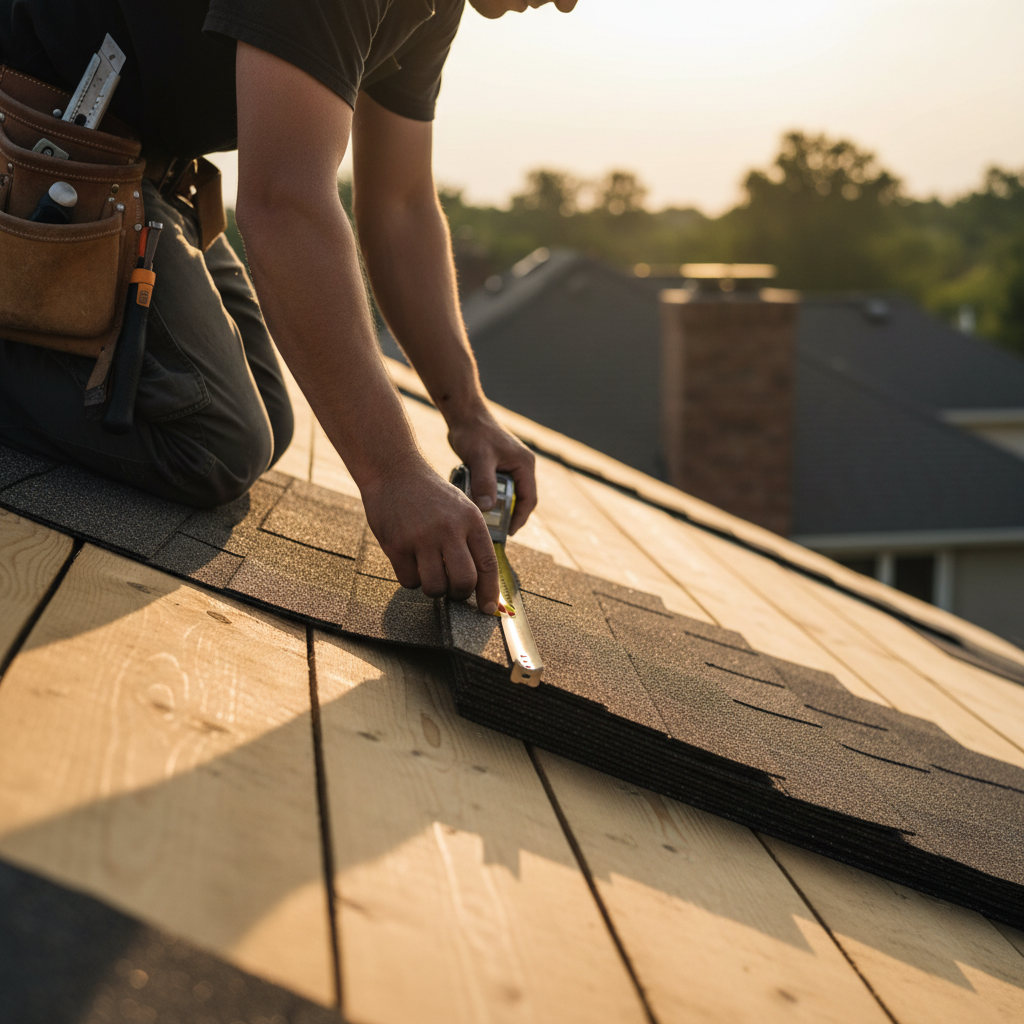
Reflective shingles are only the first line of defense. For energy-efficient roofing to perform at its peak, the space beneath the decking must be managed through a balanced ventilation system. Without adequate airflow, heat becomes trapped in the attic; this creates a pressurized oven effect where temperatures can exceed 150 degrees, forcing heat through the ceiling and into your living quarters regardless of how reflective the surface materials are.
Gobes Roofing treats the roof as a complete thermal envelope. Our approach focuses on proper preparation, which includes calculating the specific net free ventilating area required for your Fillmore home. We ensure a precise balance between intake ventilation, typically located at the soffit or eave, and exhaust ventilation at the ridge or roof peaks. This constant cycle of cool air entering and hot air escaping prevents moisture buildup in the winter and heat saturation in the summer.
System Component | Role in Energy Efficiency |
|---|---|
Intake Ventilation | Draws fresh air into the attic to displace heat |
Exhaust Ventilation | Provides an exit for rising hot air at the highest point |
Attic Insulation | Blocks heat transfer between the attic and the ceiling |
Air Baffles | Ensures airflow is not obstructed by insulation at the eaves |
Quality workmanship is what separates a long-lasting system from a simple shingle replacement. If ventilation is blocked or improperly installed, even the most advanced materials will fail to lower your utility bills. When providing reliable roofing services, we inspect existing insulation levels and airflow paths to ensure your installation is code-compliant and effective. To learn more about how we optimize your home's thermal performance and exterior repairs and upgrades, you can contact our experienced team for a detailed assessment of your attic's current state.
Choosing the Right Color: Style Meets Efficiency in 2026
Beyond the internal systems of ventilation and insulation, the exterior finish plays a vital role in heat management. Selecting a roof color for a Fillmore residence used to be a compromise between style and thermal performance. In 2026, the industry has moved toward architectural and dimensional shingles that offer deep textures and varied color palettes without sacrificing heat reflection. While a white roof remains the gold standard for pure efficiency, it often clashes with local residential aesthetics. Modern technology utilizes specialized pigments that allow slate gray, earthy tan, or forest green shingles to reflect nearly as much infrared radiation as much lighter materials.
This allows homeowners to maintain curb appeal while still benefiting from energy-efficient roofing. When we handle exterior repairs and upgrades, we guide clients through choosing profiles that complement their home’s architecture and the surrounding Utah landscape.
Color Category | Common 2026 Trends | Functional Performance |
|---|---|---|
Cool Dark Tones | Slate Gray, Charcoal | High infrared reflectance despite dark look |
Earth Tones | Desert Tan, Sandstone | Excellent blending with Millard County terrain |
Architectural Styles | Multi-tonal Dimensional | Enhanced shadow lines with cooling granules |
By focusing on the Solar Reflectance Index rather than just the visible shade, you ensure the home remains protected and efficient. Our reliable roofing services prioritize both the long term look and the immediate reduction in heat gain. To see physical samples of these advanced materials, you can contact our experienced team for a consultation.
Why Professional Local Installation Is Key for Energy Performance
The effectiveness of energy-efficient roofing relies heavily on precision during the installation process. High-performance reflective coatings and specialized shingles require careful handling; rough installation can scuff surfaces or dislodge granules, significantly reducing the material's thermal performance. Our team utilizes modern tools and proven methods to ensure every component is placed without compromising its reflective properties.
Local expertise ensures that all work remains code-compliant and specifically engineered for the unique climate of Millard County. This focus on structural integrity is a core part of our broader exterior repairs and upgrades. By prioritizing clear communication and dependable service, we ensure the transition to a cooler home is seamless. For reliable roofing services that protect your investment, contact our experienced team to schedule a professional evaluation.
Selecting energy efficient roofing is one of the most effective ways to lower cooling costs and improve comfort in your Fillmore home. While the variety of materials can seem complex, the long term savings make the transition worthwhile. If you want expert help choosing the best solutions for your specific budget, our team is happy to provide guidance. You can learn more about our approach to roofing and how we support local homeowners. We are dedicated to making your property more efficient and durable for years to come.