Effective gutter installation Utah involves selecting six inch seamless aluminum gutters to provide fifty percent more water capacity than standard sizes, ensuring homes can handle heavy runoff. Homeowners can expect to pay approximately five to seven dollars per linear foot for professional installation, which is a vital investment for preventing foundation damage and managing property drainage.
Living in Fillmore, you know that Utah weather transitions quickly from heavy winter snowpacks to sudden mountain downpours. These rapid shifts put immense pressure on your home's exterior; a single failed downspout or overflowing channel can lead to costly foundation erosion or water intrusion. Proper gutter installation is not merely a cosmetic choice, it is a critical safeguard for your property. At Gobes Roofing, we understand the specific drainage demands of Central Utah roofs. In this guide, we will examine how to choose between five and six inch systems, the advantages of seamless aluminum, and the best strategies to combat winter ice dams. From cost expectations to long term maintenance, we provide the expert insight you need to ensure your home remains protected against the elements for decades to come.
Why Proper Gutter Installation Matters in Central Utah

Homeowners in Fillmore and across Millard County face a demanding climate that puts immense stress on exterior drainage systems. Situated beneath the Pahvant Range, our properties must handle significant winter snow loads and the rapid runoff of intense summer monsoons. A gutter system is far more than a simple rain collection tool; it serves as the primary defense against foundation erosion and basement flooding. When water is not directed away from the home, it saturates the local soil, leading to hydrostatic pressure that can eventually crack foundation walls or cause basement seepage.
High-quality gutter installation Utah residents rely on must specifically address our local freeze and thaw cycles. In Central Utah, ice buildup is a frequent and heavy burden. Poorly installed systems often fail under the massive weight of ice dams or sagging snow, tearing away from the fascia board and causing costly structural damage. At Gobes Roofing, we provide reliable, professional roofing services that prioritize long-term durability over quick fixes. We ensure that every system is anchored with the correct hardware to withstand the specific load requirements of our mountain environment. By focusing on proper pitch and robust attachment points, we prevent the common failures seen in generic installations, ensuring your home remains protected through every seasonal shift.
Sizing Your System: 5 Inch vs. 6 Inch Gutters for Utah Roofs
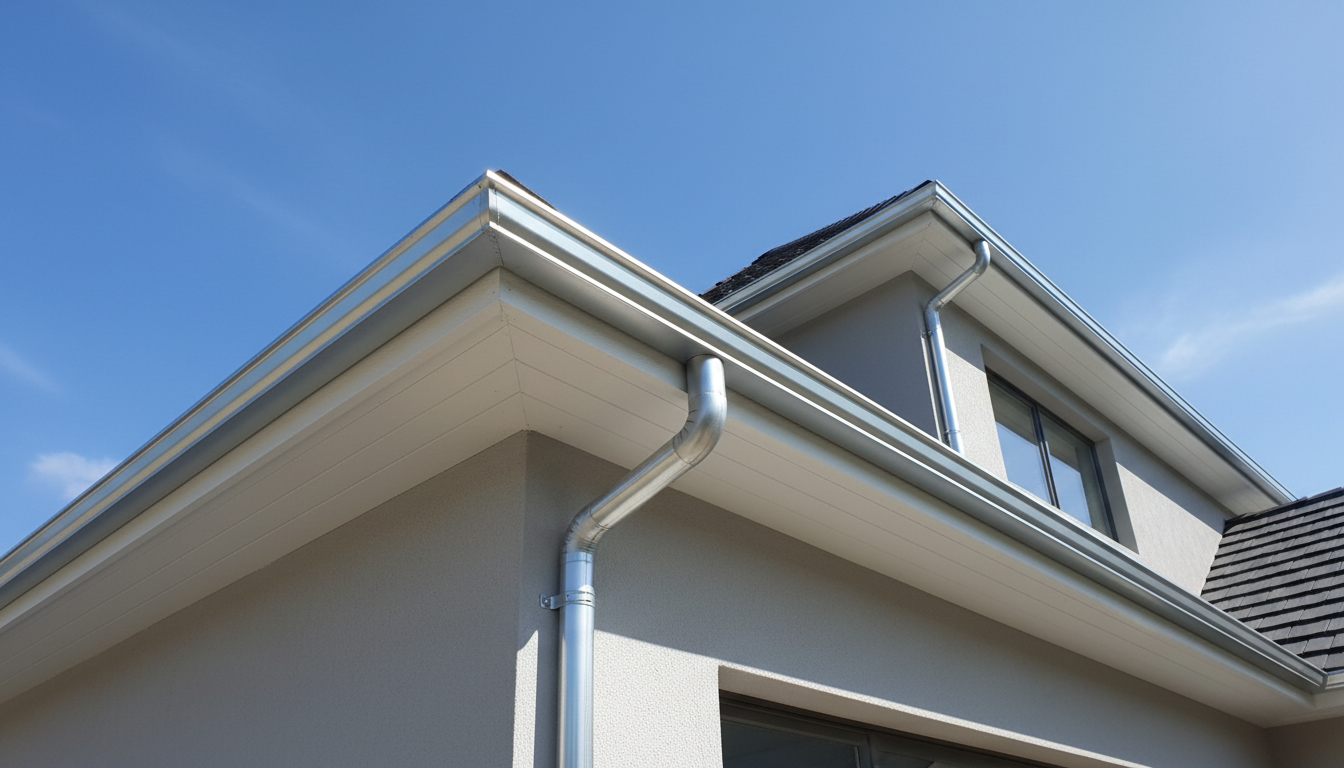
Selecting the right gutter size is a technical decision that directly impacts how well a home handles the sudden, heavy discharge of water from the Pahvant Range snowmelt or summer storms. Most residential properties traditionally utilize 5 inch K-style gutters, but in Central Utah, this standard size often falls short. The primary difference lies in the water carrying capacity. A 6 inch gutter is only one inch wider at the top, but its deeper profile allows it to carry nearly 50 percent more water volume than the 5 inch alternative.
For many Fillmore residences, steep roof pitches are a common architectural feature. These high slopes cause water to accelerate quickly as it moves toward the eaves. During a heavy downpour or rapid spring melt, water can easily overshoot a 5 inch gutter, rendering it useless. Upsizing to a 6 inch system provides a wider mouth and greater depth to catch high-velocity runoff, ensuring water is captured and channeled into the downspouts rather than spilling over onto your siding or foundation. This prevents the wood rot and fascia damage that occurs when water constantly splashes against the home.
Beyond volume, 6 inch gutters offer a practical advantage regarding debris management. Small twigs, pine needles, and sediment can quickly bridge the gap in a 5 inch trough, leading to blockages. The larger opening of a 6 inch system allows debris to move more freely toward the downspouts, significantly reducing the frequency of roofing maintenance and repairs required to keep the drainage system functional.
Feature | 5-Inch K-Style | 6-Inch K-Style |
|---|---|---|
Water Capacity | Standard | ~50% More Volume |
Best Application | Small, low-pitch roofs | Steep roofs, large surface areas |
Clog Resistance | Moderate | High |
Recommended Use | Standard residential | High-velocity runoff zones |
Homeowners with large roof sections or complex valleys where water concentrates should prioritize the 6 inch option. This investment ensures that your gutter installation Utah project provides the necessary overhead for the region's most intense weather events, preventing the structural issues associated with frequent overflow.
Seamless Aluminum vs. Traditional Sectional Gutters
Once the appropriate capacity is determined, the focus shifts to the structural design of the trough. While big box stores offer DIY sectional kits in ten foot lengths, these systems are ill-suited for the long-term protection required by high-desert homes. For a professional gutter installation Utah project, seamless aluminum is the industry standard. Sectional systems rely on plastic connectors and chemical sealants at every joint, creating dozens of potential failure points. In Fillmore, where the temperature can swing fifty degrees in a single day, the constant expansion and contraction of the material eventually pulls these joints apart, leading to leaks and wood rot.
The seamless process eliminates these vulnerabilities by using a specialized mobile extrusion machine. Our team brings the raw aluminum coils to your property and rolls out a single, continuous trough that matches the exact length of your roofline. Because there are no seams between the corners, the risk of leaks is virtually eliminated. This custom-fit approach ensures a cleaner aesthetic and a more rigid structure that holds its shape under heavy snow loads.
Material choice also plays a critical role in durability. While vinyl gutters are inexpensive, they become brittle when exposed to the intense high-altitude UV rays and sub-zero temperatures typical of Millard County. Aluminum provides a superior alternative; it is lightweight, rust-proof, and maintains its structural integrity through extreme thermal cycles. By choosing seamless aluminum, homeowners invest in a system that remains functional for decades, significantly reducing the need for frequent roofing maintenance and repairs.
The Link Between Gutter Failure and Foundation Damage

Homeowners often ask if bad gutters can cause foundation problems, and the answer is a resounding yes. When a system fails, water is no longer channeled away effectively. Instead, it pours over the edges or leaks through joints, pooling directly at the base of your home. This concentrated water saturation creates a phenomenon known as hydrostatic pressure. As the soil surrounding your foundation becomes waterlogged, it exerts massive physical force against the basement or crawlspace walls.
In Fillmore and the surrounding Millard County areas, this issue is compounded by our local geology. Much of our ground consists of clay-heavy soils that are highly expansive. When these clays absorb water, they swell significantly, pushing inward against concrete structures. When the soil dries, it shrinks, creating gaps that allow for shifting and settling. Over time, this repetitive cycle of expansion and contraction leads to vertical and horizontal cracks, interior wall bowing, and moisture seepage.
Preventing these structural failures requires more than just a quality gutter installation Utah residents can trust; it requires strategic water management. Downspouts must be equipped with extensions that discharge water at least 5 to 10 feet away from the foundation. Additionally, the soil grading around the perimeter should slope away from the house at a minimum of six inches over the first ten feet. If you notice water pooling near your walls after a storm, it is time to consider roofing maintenance and repairs to redirect that runoff before it compromises the structural integrity of your property.
Managing Utah Winters: Ice Dams and Gutter Protection
Winter in Fillmore puts an immense physical strain on drainage systems. While many homeowners blame their gutters for ice dams, these issues actually stem from poor attic insulation and ventilation. Heat escaping from the home melts the snow on the roof, which then refreezes at the cold eaves. While a gutter does not cause this phenomenon, it is the primary victim of the resulting weight. A standard gutter installation in Utah must account for the sheer mass of solid ice, which can weigh over 60 pounds per linear foot.
To prevent the trough from being ripped off the fascia board, the choice of hardware and the frequency of attachment points are vital. At Gobes Roofing, we use heavy duty brackets spaced no more than 18 to 24 inches apart. This close spacing is significantly tighter than the national average, providing the structural support necessary to withstand Millard County snow loads. If brackets are spaced too far apart, the leverage from heavy snow and ice will eventually warp the aluminum or pull the screws out of the wood entirely.
Proper slope is another critical factor in winter performance. If the trough is not pitched precisely, meltwater will pool and refreeze into a solid block of ice before it reaches the downspout. This creates a secondary dam within the gutter itself. For homes that struggle with chronic buildup, we often recommend integrated solutions:
Heat Tape: De-icing cables installed in the gutters and downspouts keep a drainage path open during freezing temperatures.
Gutter Guards: High quality guards prevent debris from creating the initial obstructions that accelerate ice formation.
Regular Inspection: If your system is already sagging, it may require roofing maintenance and repairs to reinforce the mounting points before the weight of the next storm causes a total failure.
Gutter Installation Costs in Fillmore: What to Expect
Understanding the financial investment for a gutter installation Utah homeowners require starts with a look at both national averages and local variables. While general estimates for a standard home often range from $1,800 to $3,500, several factors specific to Millard County properties will influence the final quote. A single story ranch with a simple roofline will naturally cost less than a multi story residence with complex gables and steep pitches that require specialized safety equipment and more labor hours.
Material choice is the secondary cost driver. While 6 inch gutters carry a slightly higher price per linear foot than the 5 inch standard, they represent a lower total cost of ownership by reducing the need for emergency roofing maintenance and repairs caused by water overflows.
Factor | Impact on Cost | Why it Matters in Fillmore |
|---|---|---|
Home Height | Higher labor for 2+ stories | Requires specialized rigging and safety protocols |
Gutter Size | 6-inch is ~10-20% more than 5-inch | Prevents overshooting during intense mountain storms |
Linear Footage | Direct material cost increase | Larger homes require more troughs and downspouts |
Choosing a professional installation by an expert team ensures you are not just buying metal troughs, but a calibrated drainage system. Cheap, temporary fixes often skip critical steps like using heavy duty brackets or ensuring the precise slope needed for ice management. To get a detailed estimate tailored to your property, contact our experienced team to evaluate your specific roof geography and drainage needs.
Maintenance Checklist for Long-Term Drainage Success
A high quality gutter installation Utah homes feature requires consistent upkeep to remain effective against the elements. Routine maintenance prevents minor clogs from turning into major foundation repairs. Use this seasonal schedule to keep your system flowing:
Spring (Post-Snowmelt): Inspect for winter sag where heavy ice may have loosened brackets or pulled fasteners away from the fascia. Clear out shingle grit and sediment that accumulated during the winter runoff to prevent heavy sludge buildup.
Fall (Pre-Freeze): This is the most critical window. Clear all leaves and organic matter before the first hard freeze to prevent solid ice blocks from forming in the troughs. Verify that downspouts discharge freely and extensions are still properly positioned to move water away from the foundation.
Cleaning gutters on the steep roof pitches common in Fillmore presents significant safety risks. Climbing tall ladders on the uneven ground typical of Central Utah is a leading cause of home accidents. If you notice persistent leaks, pooling water, or sagging sections, it is safer to contact our experienced team for a professional inspection. Regular roofing maintenance and repairs ensure your drainage system survives the next heavy mountain storm without failing.
Selecting the right gutter system for your Fillmore home is essential for protecting your foundation and landscaping from Utah's varied weather. While understanding sizing and materials is a great start, the technical aspects of installation can be quite challenging to manage alone. If you want expert help ensuring your home stays safe and dry, feel free to explore our professional gutter services to find the right fit for your property. Our team is here to provide guidance and high quality solutions whenever you need them.