Identifying a hail damage roof involves spotting signs such as missing granules, bruised shingles, and dented metal vents or flashing. To address these issues, homeowners should document the damage with photos and work with a reputable local contractor to file an insurance claim. Taking these steps promptly ensures structural integrity and prevents potential water leaks or long-term deterioration.
A sudden Utah hailstorm often leaves homeowners in a state of uncertainty, wondering if a few minutes of ice could have compromised their largest investment. While some damage is obvious, the most insidious issues often hide beneath the surface, waiting for the next heavy rain to reveal themselves. At Gobes Roofing, we understand that professional vigilance is the only way to prevent minor impacts from evolving into full scale structural failures. In this comprehensive guide, we provide the practical expertise you need to navigate the aftermath of a storm. You will learn how to identify critical signs of shingle degradation, the best way to manage a complex insurance claim, and how to steer clear of the predatory contractors who frequently follow these weather events. Protecting your home starts with knowing exactly what to look for and who to trust.
Understanding the Impact of Utah Hail Storms on Your Roof
Residents in Fillmore and across Millard County are familiar with the volatility of Utah’s high-desert climate. Sudden thermal shifts often trigger intense thunderstorms that bring localized hail. While a single storm might seem like a brief event, the effect of a hail damage roof incident is often profound and lasting.
Unlike wind damage, which might tear away large sections of material, hail damage is frequently cumulative. It rarely causes a catastrophic failure or an immediate leak the day after a storm. Instead, the impact of stones displaces the protective mineral granules on asphalt shingles. This exposure leaves the underlying bitumen layer vulnerable to Utah’s intense UV rays. Over time, these compromised spots become brittle, leading to cracks and eventually water penetration through the building envelope.
Our team often sees cases where the structural integrity of a shingle is weakened even if it looks intact from the ground. In our region, extreme temperature fluctuations cause these bruised areas to expand and contract unevenly, which accelerates deterioration. As a local provider of professional roofing services, Gobes Roofing understands the specific challenges that Fillmore property owners face. Securing a reliable roof repair early can prevent a minor issue from turning into a premature total replacement. If you have concerns about your property after a recent storm, you should Contact Gobes Roofing for a detailed assessment.
How to Tell If Your Roof Has Hail Damage: Key Signs to Look For
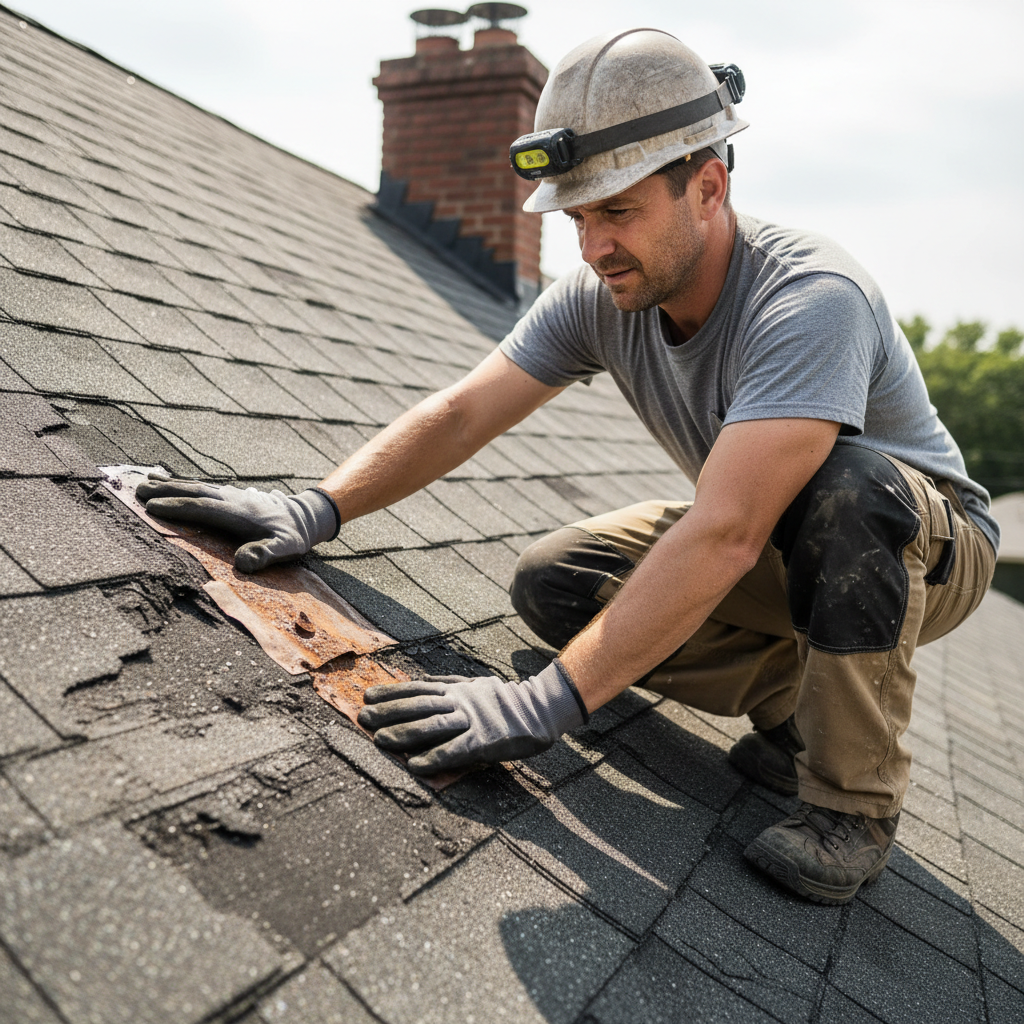
Identifying a hail damage roof requires a keen eye for subtle changes in material texture and color. On standard asphalt shingles, the most common sign is bruising. These are dark, circular patterns where hailstones have struck the surface, dislodging the protective mineral granules. If you look closely at these spots, you will often see the black, shiny substrate of the shingle exposed. These bruises are not just cosmetic; they represent a point where the shingle has been physically weakened. When pressed, these areas may feel soft or spongy compared to the surrounding material, indicating that the fiberglass mat inside has likely fractured.
Metal roofing reflects damage differently. Instead of losing surface material, metal panels will show distinct dents or pits. While metal is highly durable, significant denting can compromise the protective coatings or create low spots where water may pool, eventually leading to corrosion.
Homeowners do not always need to climb a ladder to find evidence of a storm’s impact. Looking for collateral damage on ground-level fixtures is often the most reliable way to confirm a strike.
Gutters and Downspouts: Check for small, round dings in the metal components.
Air Conditioning Units: Hail often bends the thin cooling fins on exterior AC condensers, creating a flattened appearance.
Window Screens and Siding: Look for tears in mesh or chips in vinyl siding panels.
One of the most telling signs is found at the base of your downspouts. If you see significant piles of granules that look like coarse, colored sand after a heavy rain, it means the protective layer of your roof is washing away. This level of shedding typically follows a major hail event and suggests your home needs professional roofing services to assess the remaining lifespan of the shingles. If you spot these red flags, it is best to Contact Gobes Roofing for a comprehensive evaluation before the next weather event arrives.
The Hazards of DIY Hail Inspections and Why Professional Eyes Matter
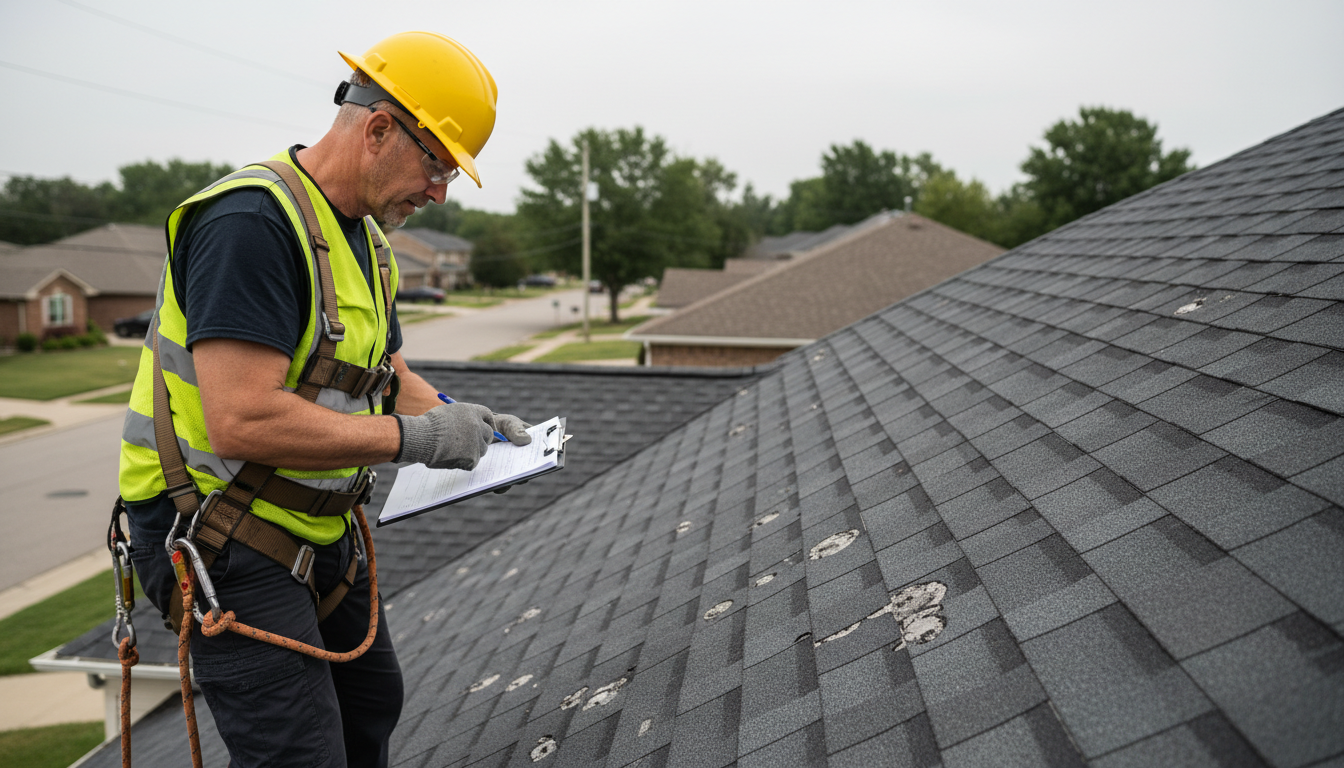
Climbing onto your own roof to document damage poses significant safety risks, particularly following a major storm. Steep pitches, loosened shingles, and the sudden accumulation of moisture or loose granules can create a surface as slick as ice. A fall from even a single story can result in life-altering injuries. Beyond the physical danger, a layperson often struggles to differentiate between functional damage and simple age-related wear.
Insurance companies typically only cover functional loss, which is damage that affects the lifespan or water-shedding ability of the material. A hail damage roof might show thousands of small marks that a homeowner captures with cell phone photos, but an adjuster may dismiss these as cosmetic or mechanical blistering caused by poor attic ventilation. Professional inspectors at Gobes Roofing use specific industry criteria to identify fractured fiberglass mats and impact patterns that confirm a storm event. We provide a detailed assessment that serves as a technical document for your carrier. A comprehensive professional report, supported by precise measurements and expert identification, holds far more weight during the claims process than informal snapshots. If you suspect your home has been hit, it is safer and more effective to Contact Gobes Roofing for a qualified inspection.
Step by Step Guide to Filing a Hail Damage Roof Insurance Claim
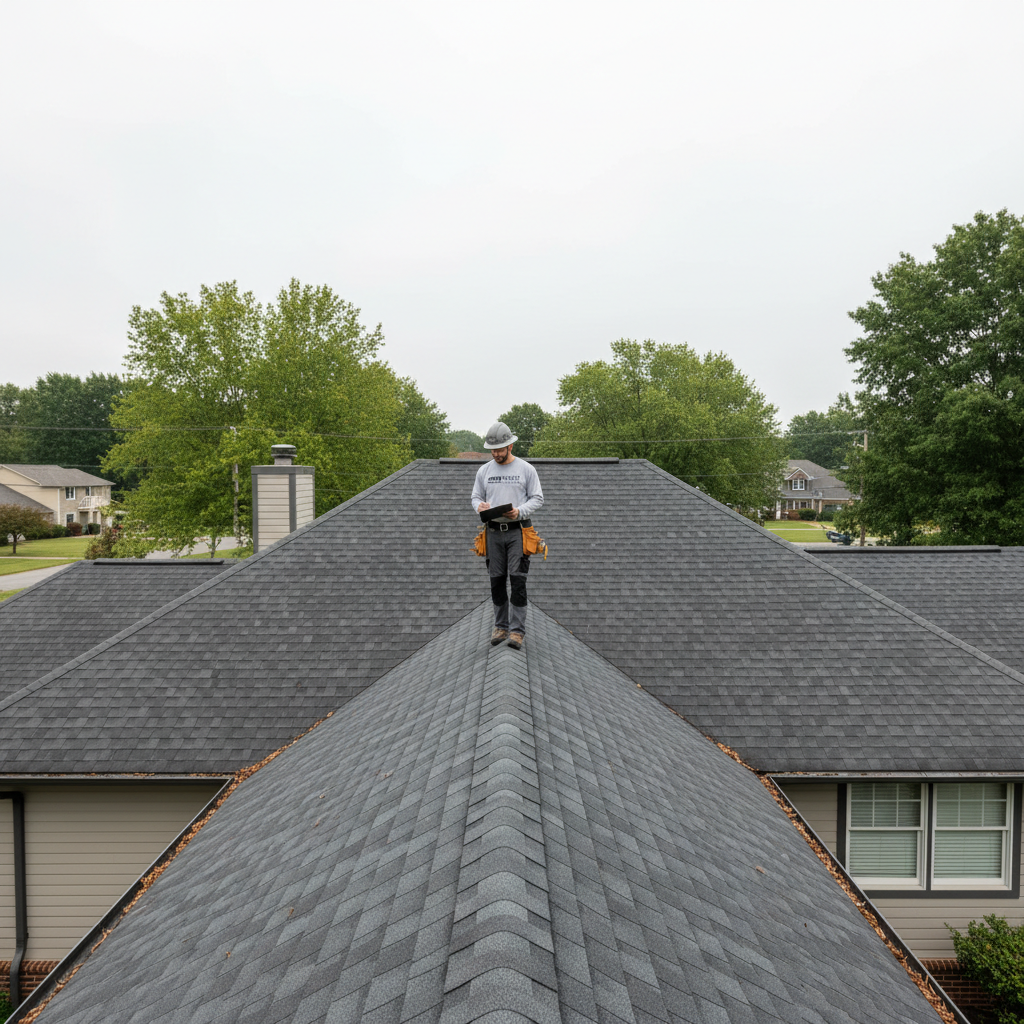
Navigating the insurance process after a storm can feel overwhelming, but following a structured sequence ensures you receive the coverage your policy provides. Filing a claim for a hail damage roof requires precision and timely action to avoid technical denials based on missed deadlines or lack of evidence.
Document the Date of the Storm: Insurance carriers require a specific date of loss to cross-reference with meteorological data. If you are unsure of the exact day the hail hit Fillmore, check local weather archives or ask neighbors. Having a confirmed date is the first piece of information the adjuster will request.
Secure a Professional Inspection: Before contacting your insurance agent, have an expert evaluate the system. A professional roofer will provide a detailed breakdown of the damage, which serves as a baseline for your claim. This prevents you from filing a claim for minor issues that may fall below your deductible.
Contact Your Insurance Company: Once damage is confirmed, call your provider to initiate the claim. They will assign a claim number and an adjuster to visit your property.
Property owners often ask, "How long do you have to file a claim?" In Utah, the timeframe varies by provider, but most policies require you to file within 180 days to one year from the date of the event. Delaying beyond this window can lead to a claim being denied, as insurers may argue that subsequent weather or general wear has worsened the condition.
Understanding local building codes is also vital during the claims process. Utah often adheres to the 25 percent rule, which states that if more than 25 percent of a roof area is damaged within a 12 month period, the entire roof may need to be replaced to comply with current safety standards. This rule is a critical piece of leverage if an adjuster initially suggests only a reliable roof repair for a significantly impacted surface.
When the insurance adjuster schedules their visit, it is highly beneficial to have your contractor present. An experienced member of the Gobes Roofing team can walk the roof alongside the adjuster to point out specific bruises or fractured mats that might otherwise be overlooked. This collaborative approach ensures that the final scope of work is accurate and sufficient for a high-quality restoration. For assistance with your inspection or to discuss the claims process, you should Contact Gobes Roofing to ensure your property is properly represented.
What Not to Say to Your Insurance Adjuster About Roof Damage
Managing the conversation with an insurance adjuster requires a balance of transparency and restraint. While it is important to be helpful, homeowners often inadvertently provide information that leads to a claim denial. You should avoid speculating on the age of your shingles or the specific cause of any leaks unless you have definitive records. If an adjuster asks how old you think the material is and you guess it is nearing the end of its life, you may be providing them with a justification to deny the claim based on depreciation or pre-existing wear and tear.
Focus strictly on the facts: the date of the weather event and the specific technical findings from your reliable roof repair specialist. Insurance policies are designed to cover sudden, accidental events like a hail damage roof, but they rarely cover maintenance issues. Stating that the roof was already in poor condition shifts the conversation away from storm impact and toward general deterioration. Instead of offering opinions, refer the adjuster to the documentation provided by your provider of professional roofing services. If the adjuster asks technical questions about the granule loss or mat fractures, it is best to Contact Gobes Roofing and let your contractor handle those specific inquiries to ensure the claim remains focused on the recent storm damage.
How to Spot and Avoid Storm Chaser Roofing Scams in Utah
After a significant weather event in Millard County, you will likely notice a sudden influx of contractors knocking on doors. These individuals, often called storm chasers, travel across state lines to follow weather patterns. While they may appear helpful, their primary goal is to secure a high volume of contracts quickly before moving on to the next storm zone. This business model often results in rushed work, poor material quality, and a complete lack of warranty support once they leave the area.
To protect your property, watch for these specific red flags: - Out-of-State Credentials: Look at the license plates on their trucks and the area codes on their business cards. A contractor based in a different state will not be here to address leaks or failures six months from now. - High-Pressure Signatures: Be wary of anyone demanding a signature on a contingency agreement or work authorization before you have even seen an estimate. - The Free Roof Offer: Any contractor who offers to waive your insurance deductible is asking you to participate in insurance fraud. This practice is illegal in Utah and puts you at significant legal risk. - Lack of Physical Address: Ask for the location of their local office. A legitimate provider of professional roofing services should have a verifiable physical presence in the community, not just a PO box or a temporary hotel room.
Before agreeing to any work for a hail damage roof, verify that the contractor holds a current Utah state license and carries both general liability and workers compensation insurance. A local business like Gobes Roofing relies on a reputation built over years of service in Fillmore. We live and work in the same neighborhoods we serve; our workmanship is backed by a level of accountability that transient crews cannot match. If you need a reliable roof repair from a team that understands local building codes, Contact Gobes Roofing to schedule a consultation with a neighbor you can trust.
Repair versus Replacement: Determining the Best Path Forward

Deciding between a localized fix and a total overhaul depends on specific metrics used by both adjusters and contractors. A critical factor is the size of the hailstones. Stones measuring 1 inch or larger, roughly the size of a quarter, typically possess enough kinetic energy to cause structural damage to the shingle matting. If the storm produced smaller stones, a reliable roof repair may suffice for isolated areas.
Adjusters evaluate the density of impact using a "square," which is a 10x10 foot section of the roof. Generally, if an inspector finds 8 to 10 hits per square on multiple slopes, the industry standard shifts toward a full replacement of the hail damage roof. The age of the materials also plays a vital role. For an older system, shingles often become too brittle to be manipulated during a repair without cracking adjacent pieces. In these cases, attempting a patch can cause more harm than good.
Homeowners looking for long term protection should consider upgrading to Impact Resistant (IR) Shingles. These Class 4 rated materials are designed to withstand significant strikes without fracturing the underlying fiberglass mat. Integrating these during a replacement is a proactive strategy for the Fillmore climate, as they can sometimes lead to lower insurance premiums. If you are uncertain which path is best for your property, Contact Gobes Roofing to schedule an assessment. Our team provides professional roofing services tailored to the specific condition, age, and hit density of your system.