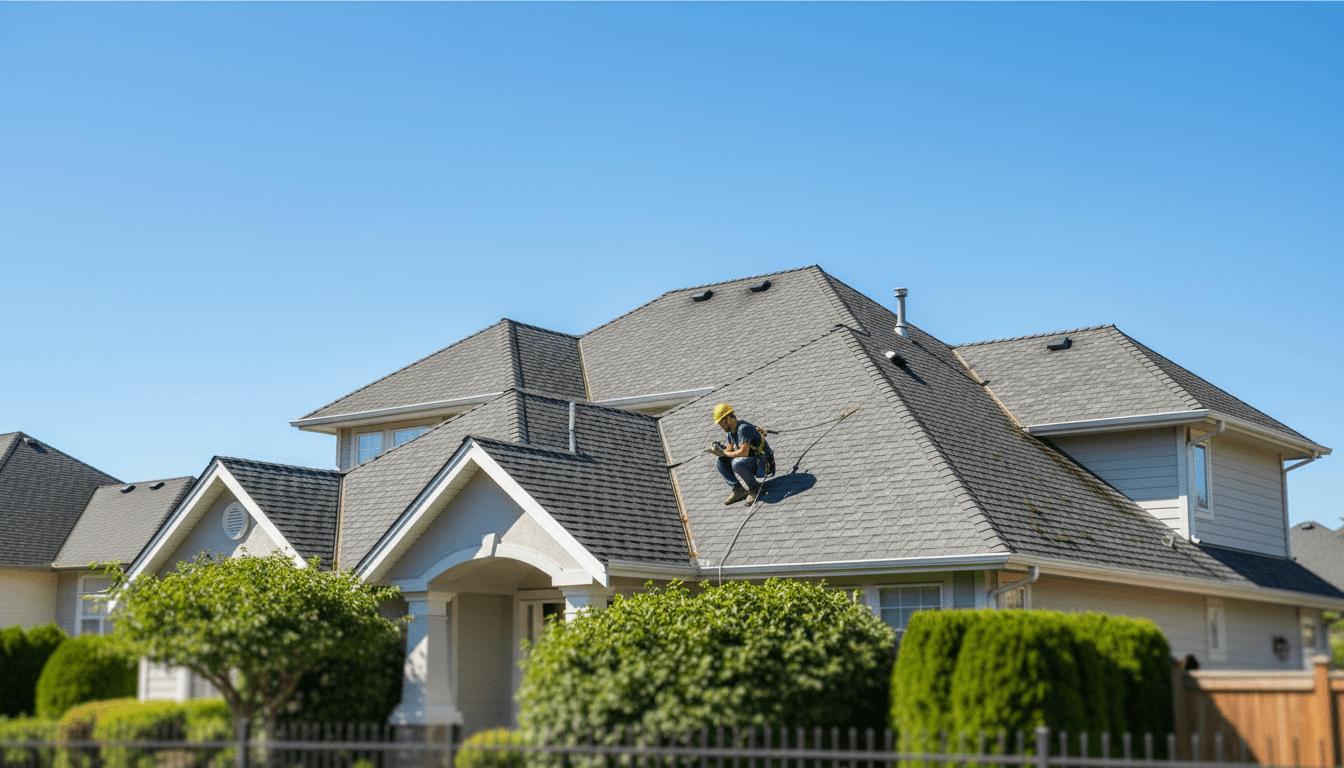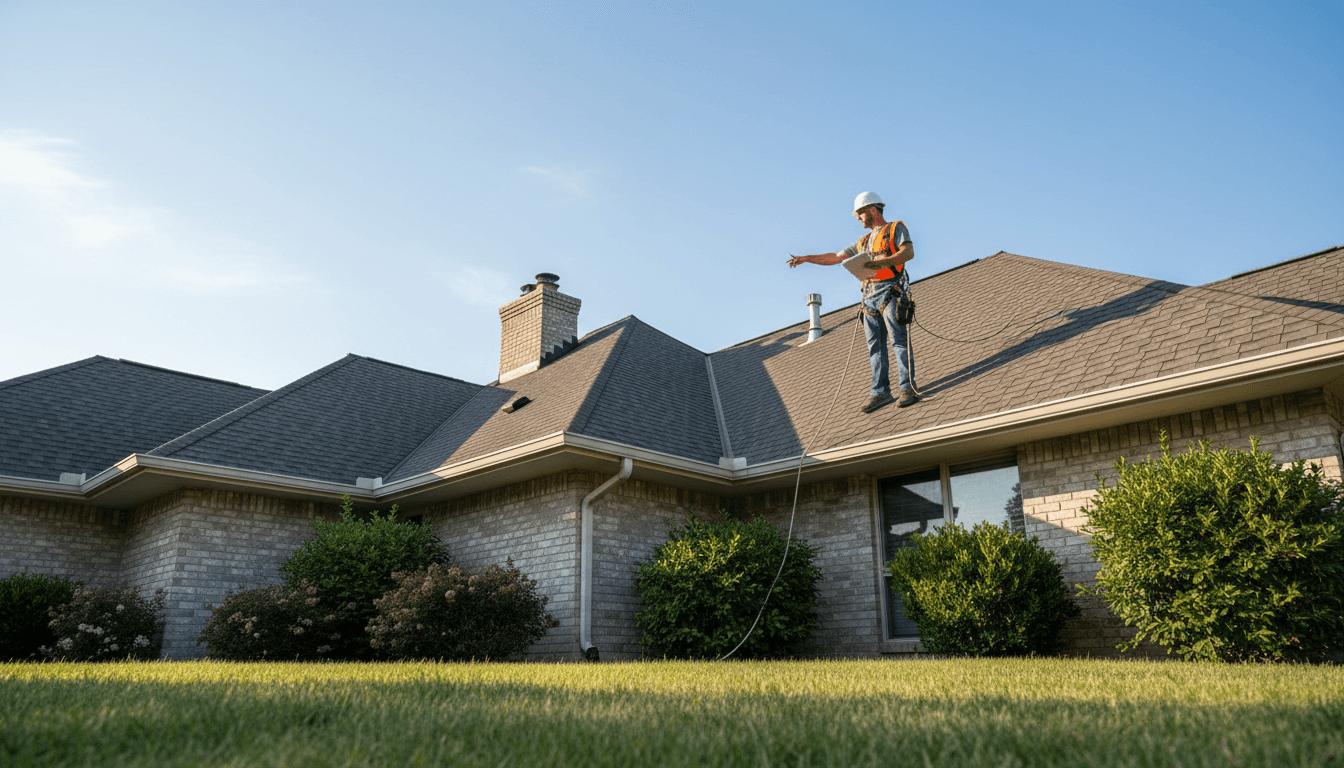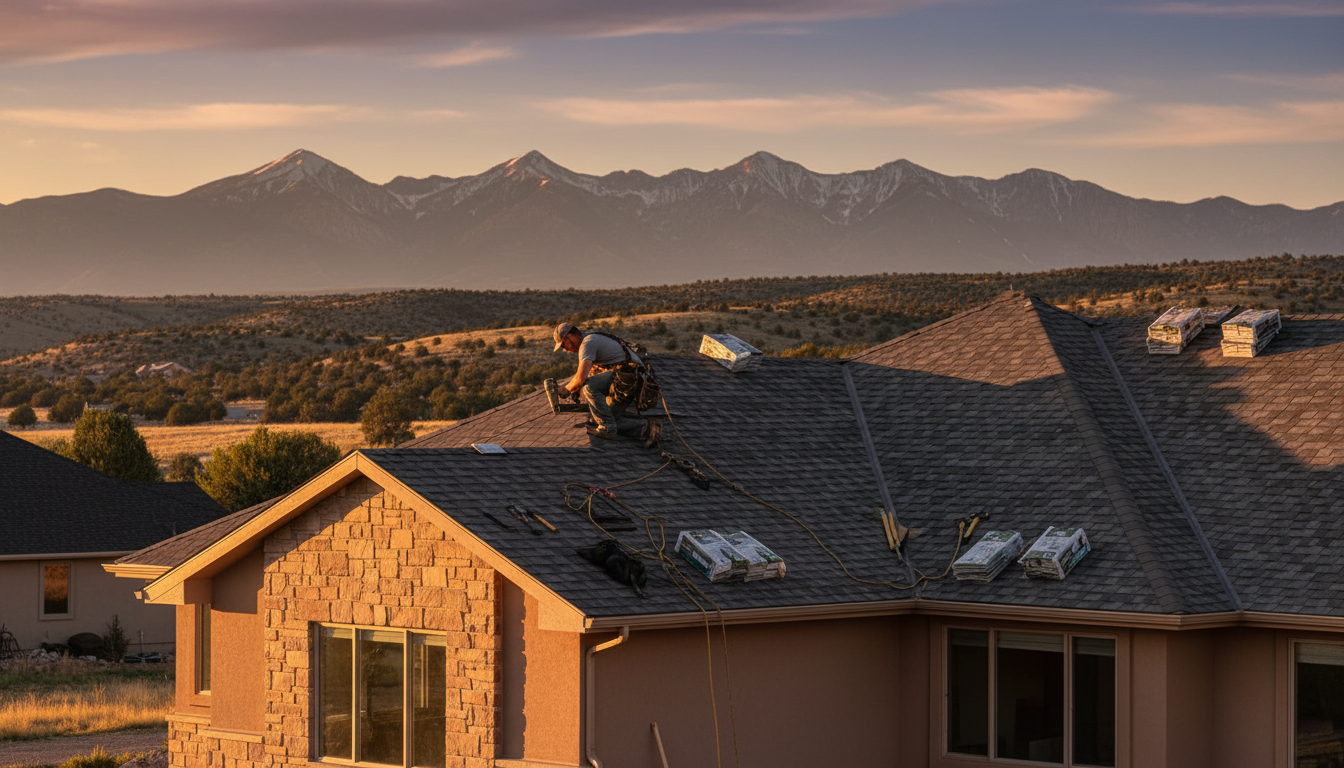
Effective ice dam prevention is achieved by maintaining a cold roof surface through adequate attic insulation, sealing air leaks, and ensuring proper ventilation. Homeowners should also use a roof rake to clear snow from the eaves; furthermore, installing heat trace cables can melt ice before it builds up and damages the structure.
As the heavy snow settles over Fillmore, Utah, many homeowners mistake hanging icicles for a winter aesthetic, but these frozen formations often signal a destructive process occurring beneath your shingles. Ice dams form when heat escaping from your attic melts snow on the roof, which then refreezes at the cold eaves and forces water back into your home. This cycle can lead to saturated insulation, ruined drywall, and compromised structural integrity. At Gobes Roofing, we believe that effective prevention requires a sophisticated understanding of attic ventilation and thermal boundaries. In this guide, we will analyze how to balance insulation, manage snow loads, and evaluate active tools like heat cables. You will also learn the critical differences between DIY maintenance and professional steam removal, ensuring your roof remains a reliable barrier against the harshest Utah winters.
The Science of Ice Dams: Why Utah Winters Are Tough on Roofs
In Fillmore, winter weather brings more than just a white landscape. It creates the perfect environment for ice dams, which are ridges of ice that form at the edge of a roof and prevent melting snow from draining. While many homeowners view this as a snow problem, ice dams are actually the result of a heat loss problem. When warm air escapes from your living space into the attic, it heats the underside of the roof deck. This causes the snow sitting directly above the heated attic to melt, even if the outdoor temperature is well below freezing.
As the meltwater flows down the roof, it reaches the eaves. Because the eaves extend beyond the exterior walls of the house, they do not receive heat from the attic. When the water hits these cold edges, it refreezes. Over time, this ice builds up, creating a dam that traps liquid water behind it. This trapped water eventually finds its way under your shingles, leading to leaks and structural rot.
The climate in Millard County is particularly conducive to this cycle. Fillmore often experiences sharp temperature swings between sunny days and frigid nights. This constant freeze and thaw cycle accelerates ice accumulation. Proper ice dam prevention requires understanding that your roof should remain at a consistent, cold temperature. When the roof surface matches the outside air, snow stays frozen and stable. If you notice thick ice build up or large icicles, it is a sign that your home's thermal envelope needs attention. For homeowners dealing with these issues, our professional roofing services include identifying these thermal weak points to protect your property long term.
Ice Dam Prevention Starts in the Attic: Insulation and Ventilation
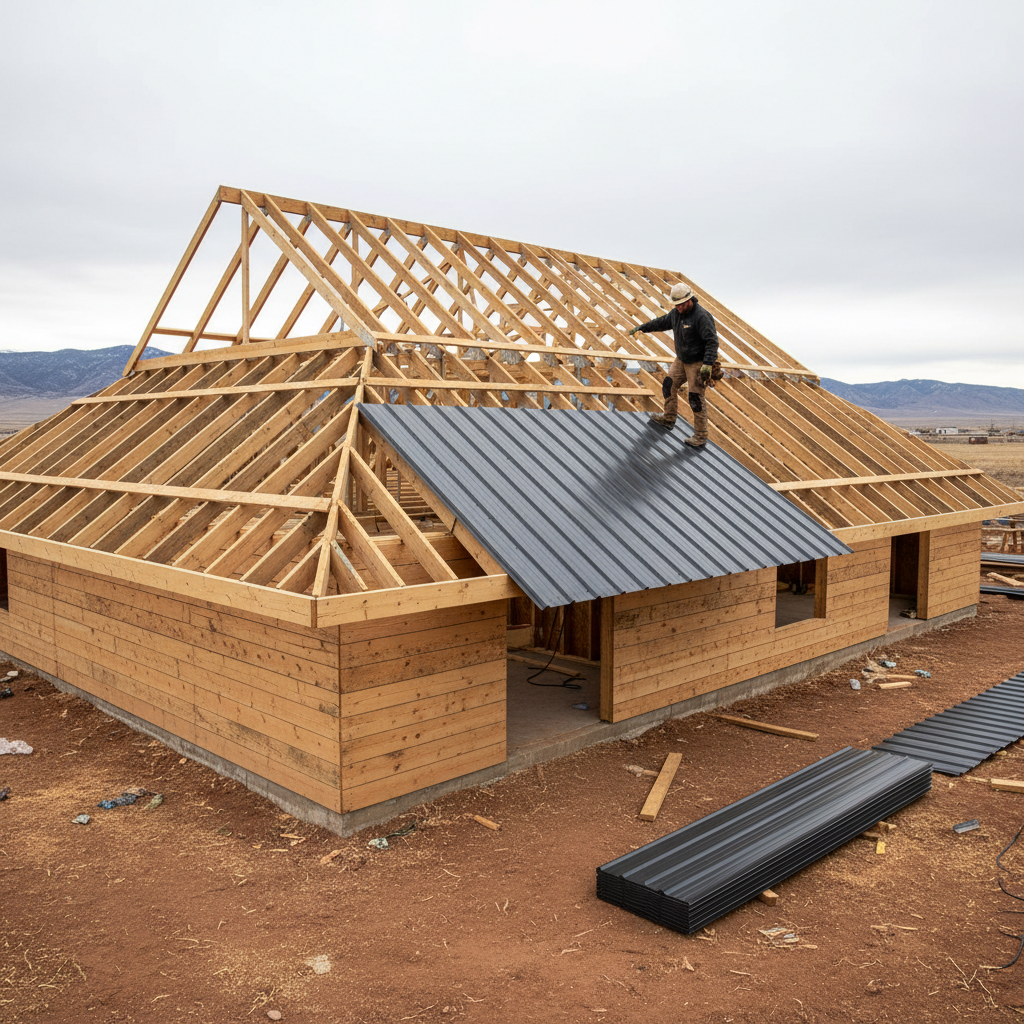
Mitigating these thermal weak points begins with addressing the environment directly beneath the roof deck. Long term ice dam prevention is rarely achieved on the surface of the shingles; instead, it requires a balanced attic ecosystem of air sealing, insulation, and ventilation. The primary objective is to maintain a cold roof, where the temperature of the roof deck remains consistent with the outdoor air to prevent snow from melting prematurely.
The first step involves sealing air leaks, often referred to as bypasses. These are hidden gaps where warm, conditioned air from your living space escapes into the attic. Common bypass areas include the spaces around plumbing stacks, chimney chases, recessed lighting fixtures, and attic hatches. Even a small gap can allow enough heat to rise and create a localized hot spot on the roof. By professionally sealing these points with spray foam or caulk, you keep heat inside your home where it belongs.
Once the air leaks are sealed, increasing the R-value of your insulation is the next line of defense. In many older Fillmore homes, insulation levels fall well below modern standards. Current Utah building codes typically recommend an R-49 to R-60 rating for attic spaces. Thick, high quality insulation acts as a thermal barrier, significantly slowing the transfer of heat from your ceiling to the attic air.
Effective ventilation completes the system by circulating cold air. This is achieved through a combination of soffit vents, which act as intakes at the eaves, and ridge or gable vents, which serve as exhausts at the peak. This continuous airflow flushes out any residual heat or moisture that manages to enter the attic. During our professional roofing services, our team evaluates these components to ensure they are not blocked by insulation and that they provide sufficient air exchange. If you are concerned about your current attic configuration, you can contact Gobes Roofing for a detailed inspection to ensure your home meets modern codes and is prepared for the next heavy snowfall.
Active Ice Dam Prevention Products: Roof Rakes and Heat Cables
While structural improvements form the foundation of ice dam prevention, active tools provide a secondary defense during intense storm cycles. A roof rake is the most effective DIY tool for immediate snow removal from the ground. When using a rake, stand securely on flat ground and clear the first three to six feet of snow from the eaves. This removes the mass of snow that would otherwise melt and refreeze at the cold edge. It is important to avoid pulling snow directly onto yourself or striking the shingles with force, as the goal is to reduce the load, not to scrape the roof bare.
For homes prone to recurring issues, heat trace cables, commonly known as heat tape, offer a more automated solution. These cables do not melt all the snow on a roof; instead, they create drainage channels or melted tunnels through the ice. This allows trapped water to reach the gutters or the ground rather than backing up under the shingles. In Millard County, the distinction between hardware store DIY kits and professional T-Panel systems is significant.
Feature | DIY Heat Tape Kits | Professional T-Panel Systems |
|---|---|---|
Durability | Usually 1 to 3 seasons | Long term (10+ years) |
Efficiency | Constant wattage (high energy use) | Self regulating or sensor controlled |
Installation | Plastic clips or adhesive | Integrated into metal flashing |
Performance | Often fails in sub zero temps | Built for heavy high altitude winters |
Professional systems are far more durable and reliable for the heavy, wet snow typical of Fillmore winters. If your home requires a permanent drainage solution, our professional roofing services include evaluating which hardware is best suited for your specific roof pitch. More information on seasonal care can be found in our Utah Homeowner Guide.
Managing Heavy Snow Loads: How Much Snow is Too Much?
Beyond the hazards of leaks, the sheer weight of accumulated snow poses a structural risk to your property. Homeowners often ask how much snow load a roof can take before it becomes dangerous. While modern Utah building codes generally require residential roofs to support a minimum of 20 to 30 pounds per square foot (psf), record breaking winters in Millard County can challenge these engineered limits.
To put 20 psf into practical terms, it equates to approximately 2 to 4 feet of light, fresh snow. However, if the snow is wet or has become packed and icy over several weeks, a single foot of accumulation can reach that same weight threshold. While your primary focus might be ice dam prevention to stop water intrusion, monitoring this total weight is critical for structural safety. You should look for specific signs of stress during the peak of winter:
Interior doors or windows that suddenly stick or become difficult to open.
New cracks appearing in drywall or plaster, particularly above door frames or in corners.
Persistent creaking, popping, or groaning sounds coming from the attic or ceiling.
A visible sag or dip in the ridgeline when viewed from a distance.
If you notice these indicators, it is vital to reduce the load immediately. Our professional roofing services include structural assessments to ensure your roof has not sustained permanent damage. For more advice on preparing your property for extreme weather, consult our Utah Homeowner Guide.
Special Considerations for Metal Roofs in Fillmore
Many Fillmore properties utilize metal roofing for its longevity and ability to shed snow efficiently. However, the same slick surface that prevents heavy accumulation creates a secondary hazard known as a snow dump. When large volumes of snow slide off the metal panels simultaneously, the force can rip gutters from the eaves, crush landscaping, or damage HVAC units located near the foundation.
Managing this risk requires the strategic installation of snow guards. These devices act as brakes, holding the snow in place so it melts gradually or breaks into smaller, less destructive pieces as it sheds. Despite the reputation of metal for being ice proof, ice dams still occur in roof valleys where snow tends to pack and linger. If heat escapes through these junctions due to poor insulation, the melting snow will refreeze at the valley edge. High quality flashing and integrated ice dam prevention strategies are essential for these areas. If your metal roof shows signs of ice buildup in the valleys, our professional roofing services can ensure your flashing and ventilation meet modern standards.
Professional Ice Dam Removal: Steam vs. Dangers of DIY
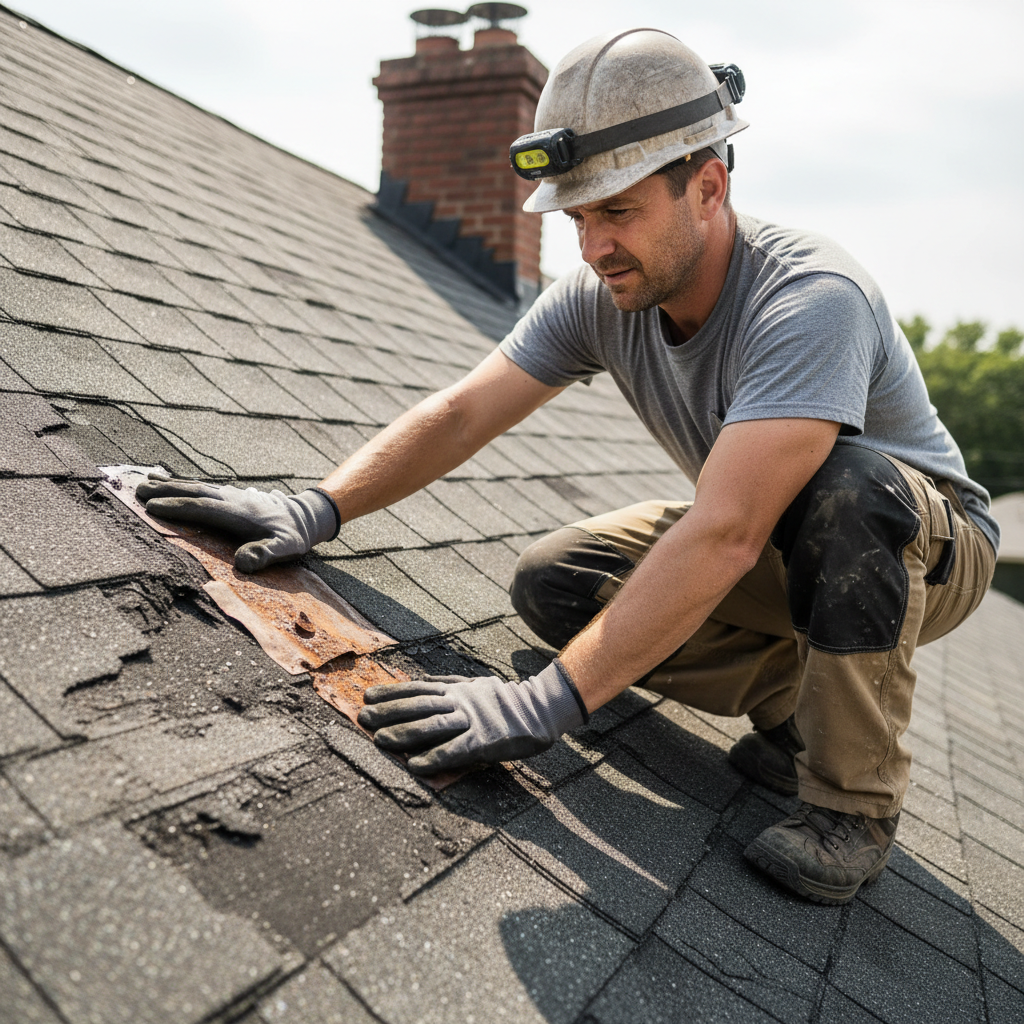
When an ice dam has already taken hold, the temptation to climb a ladder with a hammer or ice pick is high. However, manual impact is the most common cause of avoidable roof damage during a Fillmore winter. Shingles become brittle in freezing temperatures; a single misplaced strike can shatter the asphalt mat or puncture the underlayment, leading to immediate leaks once the ice melts. Similarly, high pressure washers should never be used on a frozen roof. The concentrated water stream strips the protective granules off the shingles and can force liquid water upward under the laps, soaking the roof deck.
Professional removal utilizes low pressure steam. Unlike a pressure washer, a dedicated steamer uses high temperatures at very low pressure to cut through the ice blocks safely. This method protects the integrity of the roofing material while clearing the blockage without the risk of puncture. While search data indicates that professional removal typically ranges from $400 to $600 per hour, this investment is a critical preventative measure. Spending several hundred dollars on steam removal is significantly more cost effective than facing $10,000 or more in repairs for ruined drywall, saturated insulation, and mold remediation. If you notice significant ice buildup that is backing up under your shingles, scheduling professional roofing services to handle the removal safely is the best way to protect your home's long term structural integrity.
Navigating Insurance Claims for Ice Dam Damage
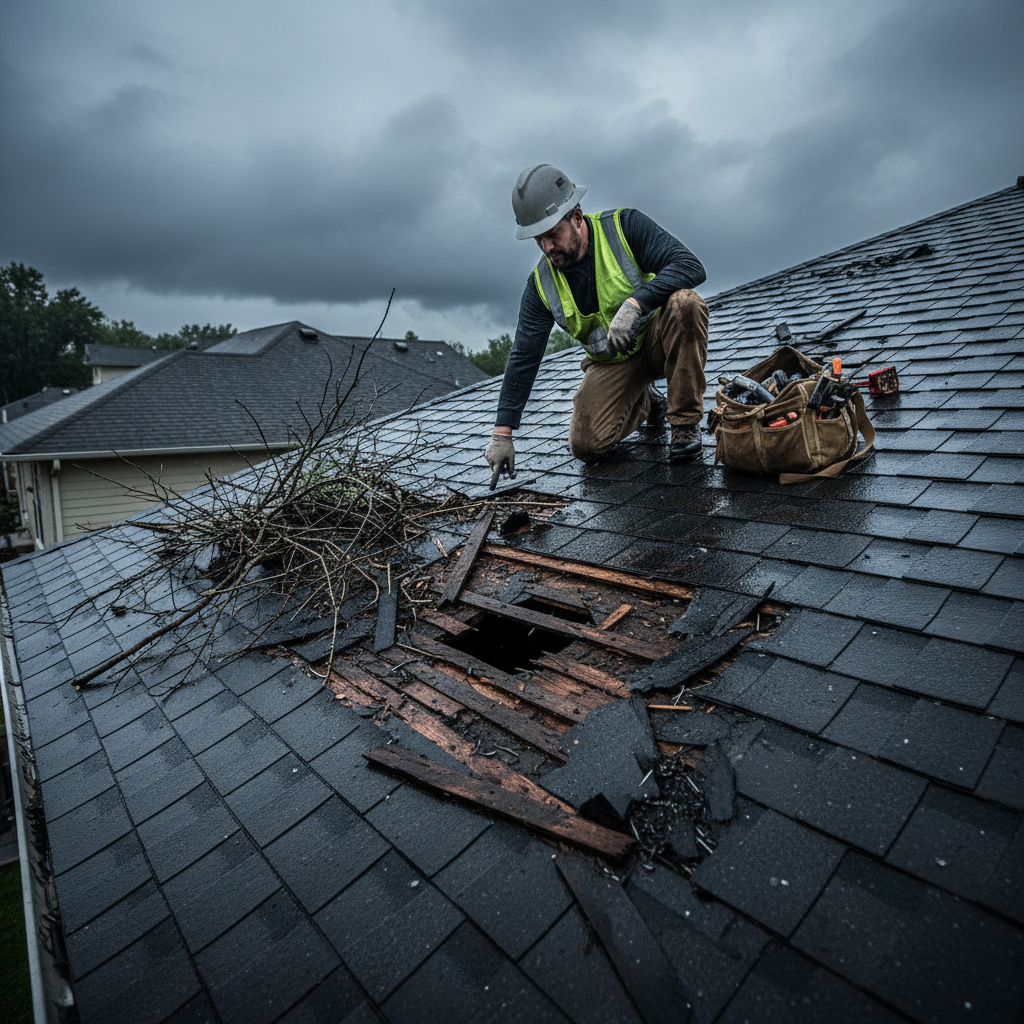
Understanding the financial side of winter weather impacts is just as important as the physical repairs. Most standard homeowners policies in Millard County cover sudden and accidental water damage. If an ice dam causes water to seep through the roof deck and ruin your ceiling or insulation, the cost to repair that interior damage is typically covered. However, insurers generally view ice dam removal itself as a maintenance responsibility. They rarely pay for the steam removal service unless the dam has already resulted in a covered loss, and even then, they usually only reimburse for the repairs to the home, not the preventative ice clearing.
To ensure your claim is processed smoothly, follow this documentation checklist:
Take clear, wide angle photos of the ice buildup at the roof edge.
Photograph interior water stains, bubbling paint, or saturated drywall as soon as they appear.
Keep samples of damaged materials, such as wet insulation or ruined carpet, if an adjuster cannot visit immediately.
Save all invoices from emergency mitigation services.
Having a detailed report from a qualified contractor can be the difference between a denied claim and a full reimbursement. When we perform professional roofing services following a leak, we provide specific documentation regarding the breach in the roofing system and the extent of the moisture intrusion. This professional assessment helps justify the necessity of the repairs to your insurance adjuster. If you are currently dealing with interior leaks, you should contact Gobes Roofing to document the damage before the evidence melts away. For more tips on navigating winter property management, refer to our Utah Homeowner Guide.
Managing winter weather in Fillmore requires a proactive approach to roof maintenance. By focusing on proper ventilation and regular snow removal, you can effectively shield your home from the costly effects of ice dams. While these steps are manageable for many homeowners, local conditions can sometimes be overwhelming. If you want expert help ensuring your roof stays safe throughout the season, you can read more about our professional experience to see how we assist local residents. We are here to help your home withstand the heaviest Utah winters.