Utah homeowners should choose siding repair when damage is localized to a few panels, while full replacement is necessary if over ten percent of the exterior shows cracking, rot, or moisture intrusion. Standard siding repair Utah costs typically range from $200 to $1,600 depending on the material and extent of the damage; however, replacing the entire system provides better long-term protection against the state's extreme weather.
Utah’s high desert climate places extraordinary stress on your home's exterior, often leaving homeowners to wonder if a small crack or warped board is a minor blemish or a sign of impending structural failure. Between the scorching summer sun and the freezing winters in Fillmore, your siding acts as the primary barrier against the elements. If you have noticed rising energy costs or visible moisture damage, the decision between a targeted repair and a full replacement becomes critical for long term protection. In this guide, the team at Gobes Roofing breaks down the seven warning signs of siding failure, compares modern materials like fiber cement and vinyl, and provides updated cost estimates for 2026. You will also learn how to navigate insurance claims and determine which path best preserves your home’s value and efficiency.
Understanding the Role of Siding in Utah's High Desert Climate
Homeowners in Fillmore and throughout Millard County live in a high desert environment that places extraordinary demands on building materials. Unlike national home improvement guides that often focus on humidity or heavy rainfall, local property owners must account for the specific stressors of the Intermountain West. Siding here serves as more than just a decorative finish; it is a thermal and structural shield against intense UV radiation. At our elevation, the sun's rays are particularly harsh, breaking down the chemical bonds in vinyl and causing it to become chalky, faded, and brittle over time.
The Utah climate is also characterized by rapid temperature swings, with fluctuations of forty degrees or more occurring within a single day. These shifts force siding panels to expand and contract repeatedly, which puts immense strain on fasteners and joints. This constant movement is often followed by the notorious Utah freeze thaw cycle. When moisture settles into small crevices and freezes, it expands, physically prying the material away from the wall or widening existing cracks. This accelerated material fatigue makes the need for siding repair Utah more common than in many other parts of the country. Prioritizing reliable exterior repairs and upgrades ensures that your home remains protected against these specific environmental pressures. If you suspect your exterior is failing, you should schedule an inspection before the next seasonal shift causes further damage.
The 7 Telltale Signs Your Utah Home Needs Siding Attention
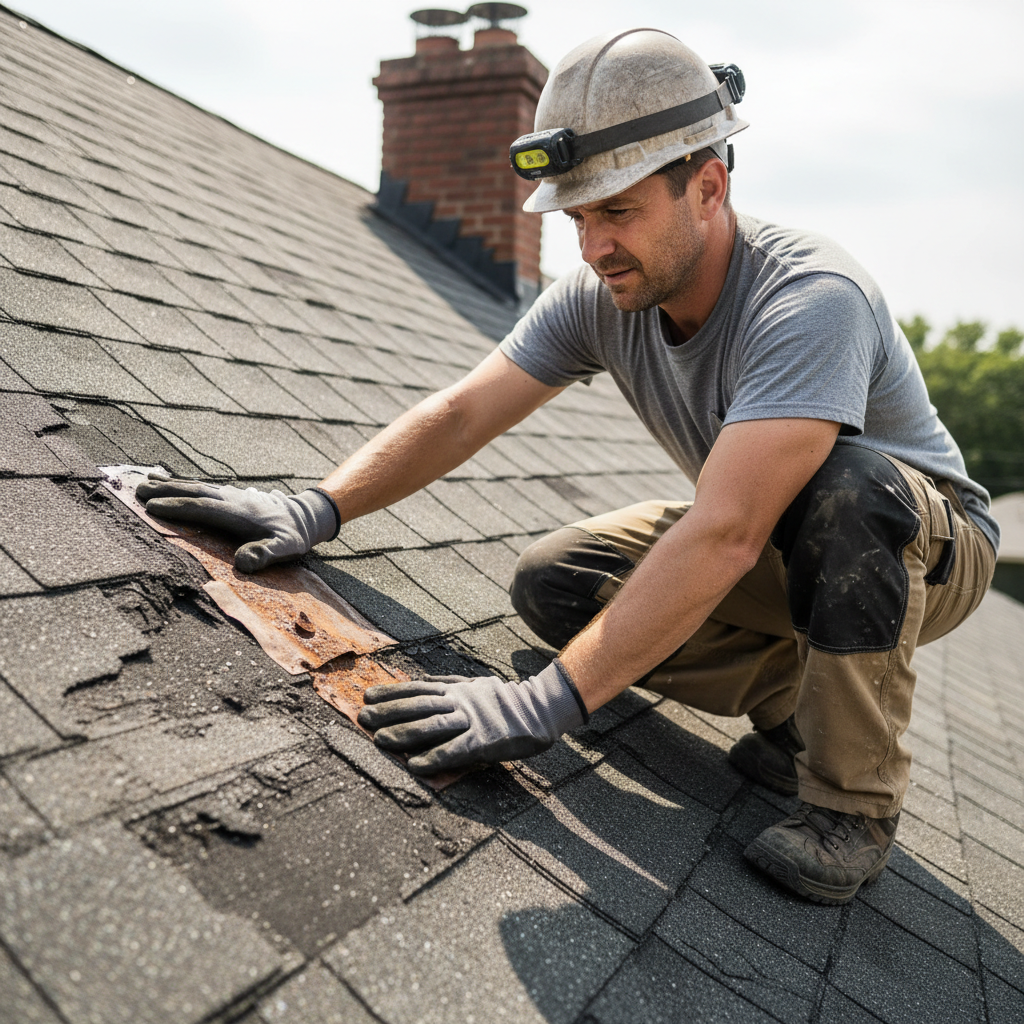
Identifying early signs of failure allows you to address issues before they compromise the underlying sheathing or framing. Because Utah's environmental forces are constant, routine visual inspections are necessary for every property in Millard County. When assessing the need for siding repair Utah residents should look for these seven specific physical cues.
Bubbling and Blistering: This occurs when moisture or air becomes trapped beneath the siding’s surface. In Fillmore, the intense afternoon sun heats these pockets, causing the material to swell and lose its bond with the substrate.
Severe Cracking: While a single hairline fracture might be a minor fix, cracking that covers ten percent or more of your panels indicates systemic fatigue. This usually stems from the material losing its flexibility due to UV exposure and freeze-thaw cycles.
The Screwdriver Test: This is a practical diagnostic tool for wood or cedar siding. Press the tip of a screwdriver into a suspicious spot; if the wood feels soft, spongy, or yields easily, rot is present. A hollow sound when tapping the wood also suggests internal decay even if the surface looks intact.
Wide Seam Gaps: Expansion and contraction are expected, but gaps wider than 1/8 inch at the seams are a red flag. These openings act as funnels for wind-driven rain and melting snow to reach the house wrap.
Biological Growth: The presence of mold, fungus, or mildew indicates that the material is retaining moisture rather than shedding it. Even in our dry climate, these organisms thrive in the shadows behind failing panels.
Sudden Energy Spikes: If your cooling or heating bills are rising unexpectedly, it often means the building envelope is leaking air. Siding serves as a critical thermal break, and failure here forces your HVAC system to work harder.
Interior Wall Issues: Peeling paint, moisture stains, or sagging wallpaper inside the home are often the final signs that moisture has successfully bypassed the siding and house wrap.
The team about Gobes Roofing understands that these signs often appear gradually. Catching them early can be the difference between a targeted, reliable exterior repairs and upgrades project and a costly, full-scale replacement.
Siding Repair in Utah: When a Quick Fix is the Right Move
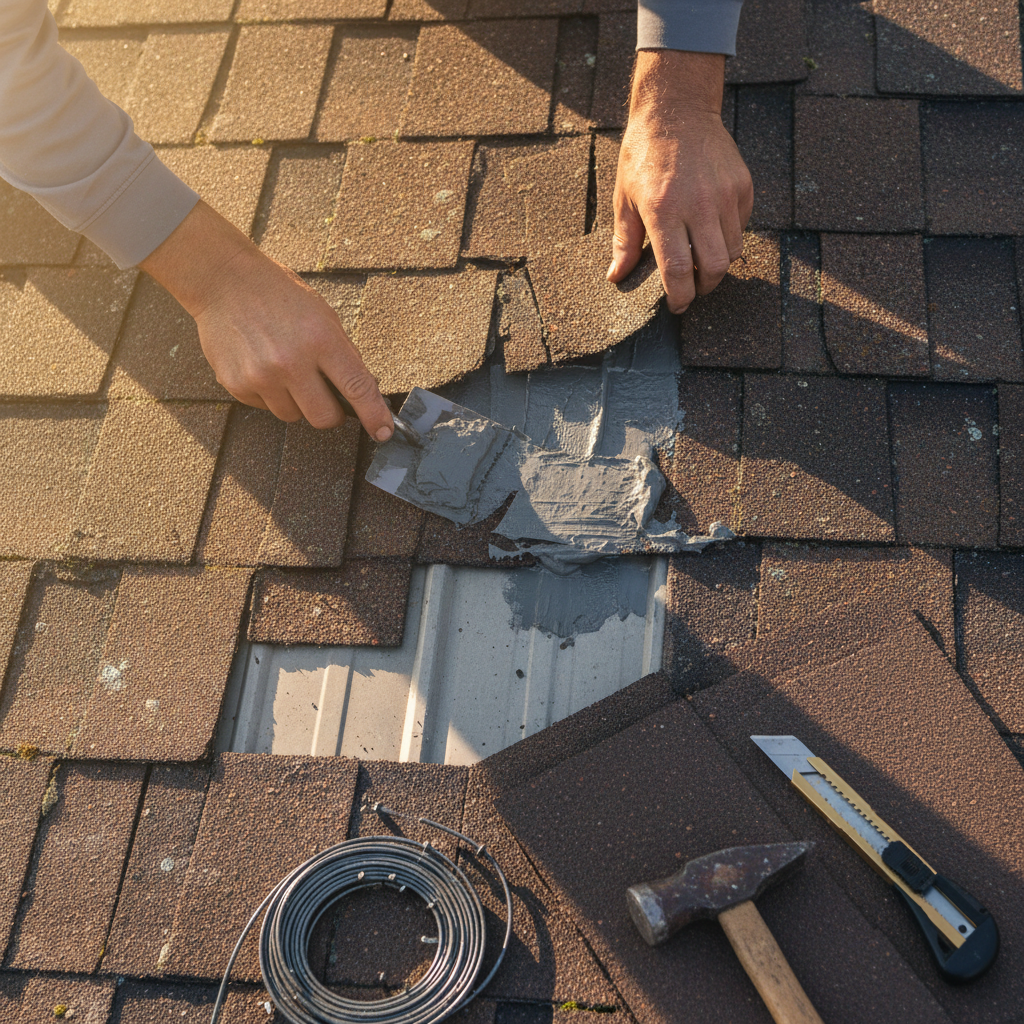
Deciding between a patch and a total overhaul requires a calculated look at the extent of the damage. For many homeowners in Fillmore, a professional repair is the most logical path when the damage is isolated and results from a specific event rather than systemic aging. If your home has suffered minor hail dings after a summer storm or a single piece of trim has come loose following a particularly windy night, these are prime candidates for reliable exterior repairs and upgrades.
Industry standards suggest that if the affected area constitutes less than 10 percent of your home's total exterior surface, a repair remains cost effective. The primary condition for a successful siding repair Utah project is the state of the underlying house wrap. If the moisture barrier is intact and the sheathing shows no signs of rot, replacing individual panels is a sound investment. This approach restores the home's protective envelope without the significant capital expenditure of a full replacement.
One common technical hurdle in the high desert is color matching. Because the Utah sun aggressively fades vinyl and paint, a factory-new panel will often stand out against older siding. The team about Gobes Roofing addresses this by sourcing material from less visible areas of the home, such as inside a porch or behind a detached garage, to patch prominent walls. This ensures the structural fix does not compromise your home's curb appeal. If you notice a single cracked panel or a loose corner post, you should schedule an inspection to verify that the damage hasn't compromised the layers beneath.
When Full Siding Replacement is the Only Sustainable Option
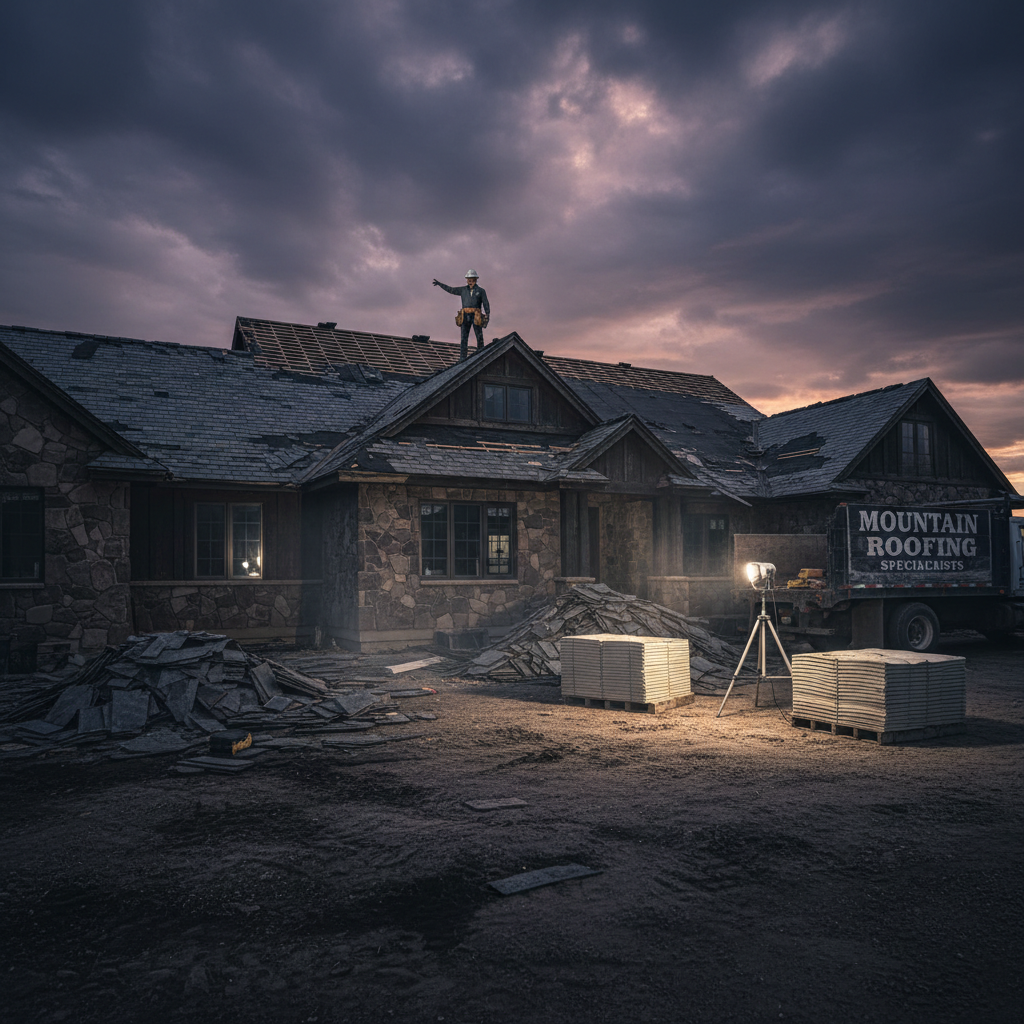
While small repairs are cost effective for minor dings, there comes a point where a homeowner must transition from maintenance to a full overhaul. In Fillmore, the most common threshold for full replacement is systemic material fatigue. If the vinyl on your south-facing wall has become brittle and snaps like a potato chip under light pressure, the chemical bonds have failed completely. In this state, attempting a siding repair Utah is merely a temporary measure. Every time a contractor nails a new piece into a failing system, the surrounding old material is likely to crack, leading to a cycle of perpetual patching and wasted money.
Moisture intrusion is another non-negotiable indicator. If water has breached the house wrap and reached the interior drywall or caused structural rot, a patch is no longer a viable solution. Full replacement allows the team about Gobes Roofing to strip the exterior down to the sheathing, address any underlying rot, and install modern moisture barriers that provide long-term security. This process ensures the structural integrity of your home remains intact for decades rather than months.
From an investment perspective, patching twenty-year-old siding is often a sunk cost. Modern materials, including insulated vinyl and fiber cement, offer significantly higher R-values and thermal performance than products manufactured two decades ago. A full replacement provides a fresh thirty-plus year lifespan and immediate energy efficiency gains, making it a more sustainable choice for Millard County properties. If you are unsure if your home has reached this tipping point, you should schedule an inspection to evaluate the structural integrity and long-term viability of your current exterior.
Comparing Siding Materials for Fillmore Homes: Fiber Cement vs Vinyl
Once a homeowner determines that a full replacement is more practical than a localized siding repair Utah, the selection of material becomes the most significant factor in long term performance. In Millard County, the choice usually comes down to vinyl or fiber cement, often referred to by the brand name James Hardie. Each material interacts differently with our high desert environment, particularly regarding thermal expansion and UV resistance.
Material | Relative Cost | Utah Performance | Maintenance Level |
|---|---|---|---|
Vinyl | Lower | Moderate (Brittle in high UV) | Low (No painting) |
Fiber Cement | Higher | Excellent (Impact & Fire resistant) | Moderate (Requires painting) |
Wood / Cedar | Premium | Moderate (Susceptible to dry rot) | High (Frequent staining) |
Vinyl siding remains a popular choice for budget conscious homeowners because it is cost effective and requires virtually no maintenance other than an occasional wash. Modern insulated vinyl also provides a significant boost to a home's R-value. However, in Fillmore, the intense UV exposure eventually takes a toll. Vinyl is a plastic product that expands and contracts significantly as temperatures shift, which can lead to buckling if not installed with precision. If you plan to sell your home within five to ten years, vinyl offers an excellent return on investment for curb appeal.
Fiber cement is the superior choice for those planning to stay in their home for decades. Because it is composed of cement, sand, and cellulose fibers, it is incredibly dense and carries a Class A fire rating, a vital consideration in rural Utah. Unlike vinyl, fiber cement is dimensionally stable; it does not shrink or swell with temperature changes, meaning it holds paint much longer and won't rattle in high winds. The team about Gobes Roofing often recommends this for homes with high sun exposure where vinyl would fade or warp.
For the historic properties near downtown Fillmore, wood or cedar siding is often required to maintain architectural integrity. While beautiful, these materials are vulnerable to the dry Utah air and require regular staining to prevent the wood from becoming porous and susceptible to the screwdriver test mentioned earlier. If you are debating between these materials, you should schedule an inspection to discuss which option best fits your property's structural needs and your long term maintenance goals.
Estimating Siding Repair Cost in Utah for 2026
Navigating the financial aspect of home maintenance requires clear, current data. For property owners in Millard County, budgeting for a siding repair Utah project involves looking at the specific scope of the damage and the materials involved. Minor repairs, such as replacing a few wind-damaged vinyl panels or securing loose trim, typically range between $300 and $1,100. These targeted fixes are an excellent way to maintain the building envelope without a major capital outlay.
When working with premium materials like cedar or fiber cement, costs rise due to the specialized handling and finishing required. Extensive repairs on these surfaces often exceed $2,200, especially if the project involves custom paint matching or complex flashing work. Labor costs in our region also fluctuate based on the height of the structure and the accessibility of the damaged areas. A two-story residence requiring scaffolding or specialized safety equipment will naturally command a higher labor rate than a single-story home.
Project Scope | Estimated Cost (2026) |
|---|---|
Minor Vinyl Patch or Trim Repair | $300 to $1,100 |
Major Fiber Cement or Cedar Repair | $2,200+ |
Full Replacement (2,000 sq ft Home) | $12,000 to $28,000+ |
To put these figures in perspective, a full replacement for a standard 2,000 square foot home in Fillmore can range from $12,000 to over $28,000 depending on the chosen material grade and insulation options. While the upfront cost of reliable exterior repairs and upgrades is lower, we always advise homeowners to schedule an inspection to ensure they are not spending significant funds on a system that is fundamentally failing. The team about Gobes Roofing provides detailed estimates to help you weigh these short-term savings against long-term structural value.
Does Homeowners Insurance Cover Siding Repair or Replacement?
Homeowners often wonder if their policy will offset the costs of a siding repair Utah project. Coverage typically hinges on whether the damage is classified as sudden and accidental or gradual. Most standard policies cover events like high-intensity wind gusts or the large hail common during Utah summer thunderstorms. If a specific weather event rips panels from your home or causes clear impact damage, your insurance likely covers the reliable exterior repairs and upgrades required to restore the building envelope.
Insurance providers generally exclude damage resulting from long-term wear and tear, age, or poor maintenance. Issues like UV-induced brittleness, sun-fading, or dry rot are considered the owner's responsibility. To support a claim after a storm, you should document the damage immediately with photographs before any temporary fixes are made. The team about Gobes Roofing assists homeowners by providing professional assessments that differentiate between storm-related failure and normal material fatigue. If you suspect wind or hail has compromised your exterior, you should schedule an inspection to gather the expert data needed for your insurance adjuster.
Deciding between siding repair and a full replacement often comes down to the extent of the damage and your long-term goals for your home. While small patches may work for now, a total update can offer better protection against the elements. If you want expert help evaluating the condition of your exterior, we are here to provide guidance. You can read more about our local team to see how we support Utah residents in making informed decisions about their home maintenance and property value.